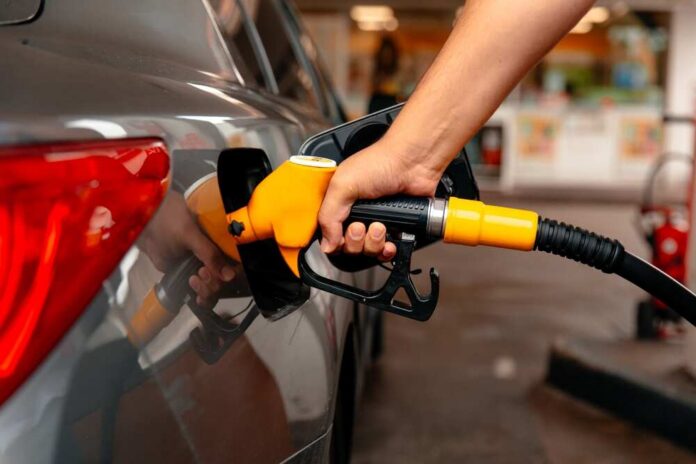
Gas parked above $4 a gallon is now showing up in Americans’ mood as well as their wallets.
Story Snapshot
- U.S. consumer confidence slid to a seven-month low as gas stayed above $4.
- American Automobile Association data showed the national average topping $4 amid Iran conflict shocks.
- Fighting threatened oil flows through the Strait of Hormuz, pushing fuel prices higher.
- Retail gasoline spikes often dent sentiment faster than other prices do.
Gas Prices Cross $4 And Stick
American Automobile Association data showed the national average price for gasoline crossing $4 per gallon in late March, the first time in more than three years. The average was reported at about $4.02 as the week began, and coverage later noted a fresh touch of $4 in July as well.
A national average hides local gaps, but a “4-handle” on signs from Maine to California changes how people feel about money. Price boards are billboards for inflation, visible from every red light.
US consumer confidence fell in August to the worst since the start of the year as the Conference Board’s gauge of confidence decreased 0.8 points to 89.4 after a downward revision to the prior month.
Michael McKee breaks down the data https://t.co/UIpvGyizTu pic.twitter.com/1jJgBHsXLs
— Bloomberg TV (@BloombergTV) August 25, 2026
Reporters tied the jump to war risk premiums and tight supply routes. Renewed fighting around Iran put the Strait of Hormuz in focus, the narrow channel that carries a large share of the world’s oil.
Markets priced that risk fast. Analysts described a direct pass-through from crude to the pump. One rule of thumb put a $1 move in crude as roughly two and a half cents at the nozzle, multiplied across many dollars of conflict risk over weeks.
Confidence Falls As The Fuel Squeeze Bites
The Conference Board’s consumer confidence index fell to the lowest level in seven months as gas hovered above $4, according to wire reports on the group’s release.
The link is familiar to economists and drivers alike. Gasoline is a cash-out price. You feel it today, not at the end of a quarter. When the tank costs $12 to $20 more, families trim a meal out, skip a small trip, or delay a purchase. Those cuts add up in surveys and in stores.
Past episodes show sentiment often sours before the broader data moves. Academic work finds retail gasoline prices punch harder than crude prices on households because the price is posted on every corner and paid weekly.
That is why the same $4 number matters beyond math. It signals stress and uncertainty. People also tend to expect today’s price to stick. That belief can slow big-ticket plans that drive growth, like cars and durable goods.
War Risk, Chokepoints, And Your Commute
Coverage traced the price spike to conflict risk around a single chokepoint. The Strait of Hormuz channels a significant slice of global oil flows. When fighting escalates, shippers, insurers, and traders add costs. Those costs lift crude, then diesel and gasoline.
Reuters reported that renewed hostilities pushed prices near a four-year high this spring as supply fears met refinery issues. Even a rumor of slower flows can change trader behavior and timing, which raises wholesale costs fast.
American drivers do not buy crude. They buy finished fuel that reflects crude, refining, shipping, taxes, and retail margins. When risk premiums jump, the pump reflects that mix.
Reported data showed the average gallon up more than a dollar from late February to the end of March as the conflict intensified. Families who drive for work or care duties feel it most. For them, the pain is not optional. Miles driven do not fall as fast as prices rise, so budgets crack first.
What To Watch Next: Relief Or More Drag
Two levers decide how long the squeeze lasts. First, conflict intensity and safe passage through Hormuz. Stable flows can shave risk premiums quickly, even if not all at once. Second, refinery capacity and seasonal demand.
If plants run smoothly into fall and demand cools after summer, wholesale prices can ease. A quick drop below $4 would help sentiment. Wire coverage has shown confidence lifts when gas falls, even if people still rate the economy as only fair.
Policymakers do not control war zones, but they can clear bottlenecks at home. Fast permits for refinery maintenance, flexible fuel rules when regional shortages pop, and strict action on price gouging claims can all help. So can open data.
Daily transparency on inventories and shipping reduces rumor-driven spikes. The goal is simple: keep supply moving, let competition work, and cut red tape that slows production. Households want prices, not promises.
Bottom Line: Prices You See Shape How You Feel
Gas at $4 is not just a number; it is a message people read every day on the drive to work. The message today is strain, and it shows up in the seven-month low in consumer confidence.
The path back runs through calmer seas in the Gulf, steady refinery runs, and less fear in oil markets. When the boards flip back to a 3, confidence tends to follow. Until then, families will trim, delay, and hope the next fill-up hurts less.
Sources:
forbes.com, reuters.com, cnbc.com, apnews.com, bloomberg.com, bushcenter.org, ktisis.cut.ac.cy