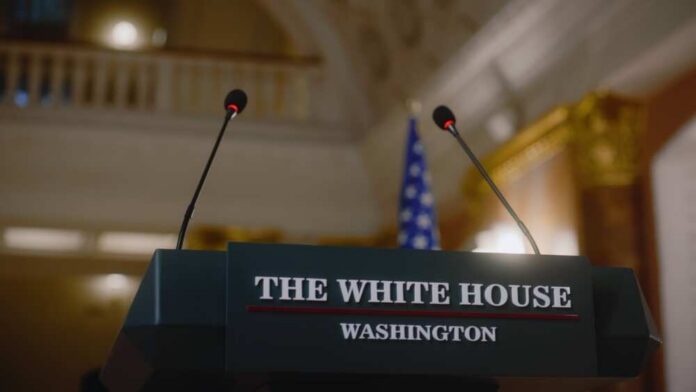
The fight is not about a doorway at the White House; it is about whether the government can shut that door because it dislikes the stories on the other side.
Story Snapshot
- CNN, MS NOW, and Politico say the White House banned their reporters after calling their work “fake news.”
- The outlets plan an emergency lawsuit citing First Amendment and due process claims.
- Reporters were turned away and say their press passes were taken, cutting them from pool coverage.
- Courts have said the White House cannot yank credentials arbitrarily or for viewpoint reasons.
What triggered the lawsuit push
White House staff denied entry to reporters from CNN, MS NOW, and Politico days after President Trump said he was banning the outlets for “fake news.” Reuters reported that security turned them away and that press passes were taken.
The affected newsrooms called it punishment for their reporting. They announced plans to sue, saying the action violates the First Amendment and due process. They also said pool duties were disrupted during travel linked to the United Nations gathering.
Reporters from CNN, MS NOW and Politico have been denied access to the White House. https://t.co/qCof726o1L
— The Associated Press (@AP) September 19, 2026
The timing and the language from the President set the stakes. Trump said the outlets “shouldn’t be able to constantly write or report fiction and lies” about his administration and the United States. That line goes to motive.
It points to a government decision tied to content and viewpoint, which is the red line courts have drawn for decades. Emergency relief lets a judge test that line fast, because every day of exclusion changes coverage and public awareness.
The claims and the law that will decide them
The outlets say the ban violates free speech and due process. That two-track approach matches past press pass fights. The First Amendment claim argues the White House cannot use access as a weapon to punish viewpoints.
The due process claim argues the government cannot revoke access without clear rules, notice, and a chance to respond. Prior cases say once the White House opens facilities to the press, arbitrary revocations are unlawful. Courts have said as much across several credential fights.
Judges do not run the briefing room, but they police the rules of the game. The test here will be simple on paper and hard in fact: did officials act for content or viewpoint reasons, and did they follow fair process?
The President’s public statements about “fake news” push the analysis toward viewpoint retaliation. The government can still claim security, space, or neutral administration, but that requires facts and paperwork, not slogans. On emergency relief, the outlets must show ongoing harm and likely success.
What is missing from the public record so far
The complaint text, the docket number, and any sworn declarations were not in the initial coverage. That gap matters for the exact scope of the ban.
Reporters described denied entry and confiscated passes, but it is not yet clear if this is a full hard-pass revocation, a building-wide block, or limits on pool access.
That detail shapes the remedy and the forum analysis. The White House has not released a written policy memo that sets a neutral basis for the action.
🚨 JUST IN: CNN, MSNOW and Politico are filing a LAWSUIT against President Trump — furious after their reporters were denied White House access
Then they had to report from the sidewalk 🤣
“We are filing a lawsuit today to protect our 1st Amendment rights.”
“Without notice or… pic.twitter.com/s5Ah7fd6Is
— John Fitzgerald Kennedy Jr (@J_F_K_Jr_Q) September 21, 2026
A precise timeline will matter. Who got notice and when? What reason did security cite at the gate? Were other critical outlets left alone? Those answers can change an inference into proof. If internal emails or directives echo the “fake news” motive, the case gets stronger.
If the record shows a neutral rule applied evenly, the case gets weaker. The burden for emergency relief will push these facts into the open fast, or the judge may narrow the ask.
How this lands with common-sense Americans
The press is not above criticism. Many readers are fed up with bias and double standards. But the Constitution draws a clear line: the government does not punish speech by locking a door. If coverage is unfair, answer it, debate it, or expose it. Do not silence it.
The likely next steps and practical stakes
A federal judge in Washington, D.C., will likely get the emergency request within days. The court could order temporary access while the case proceeds, or it could wait for more facts.
If access remains blocked, pool coverage suffers, and the public gets less real-time transparency on the presidency. That loss is the core harm the lawsuit flags.
The White House can still make its case on policy grounds, but it needs evidence, consistent rules, and a process that treats all outlets fairly.
Sources:
abcnews.com, bbc.com, yahoo.com, cnn.com, npr.org, abcnews4.com