
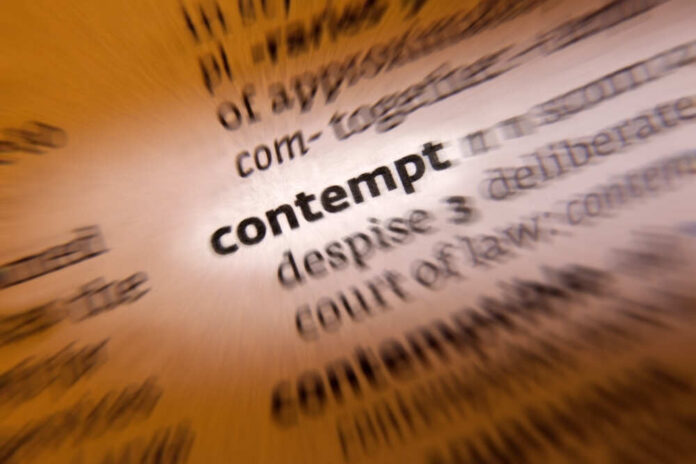
Merriam-Webster just folded 1,400 new words and meanings into the dictionary, a snapshot of how we actually talk right now.
Story Snapshot
- Merriam-Webster added 1,400 entries that meet tests for wide, sustained, meaningful use.
- Examples span tech, money, fashion, and internet culture, from “meme coin” to “shapewear”.
- Editors rely on real-world citations across many sources over time, not vibes.
- Updates track a long pattern: describe usage, do not decide morals or taste.
What Happened And Why It Matters
Merriam-Webster said it added 1,400 new words and definitions to reflect how people use English today. The publisher explained that entries earn a place after frequent, widespread, and meaningful use over time. Reported examples include “shapewear,” “looksmaxxing,” and “meme coin”.
Glow-up, Rickroll, promposal: Merriam-Webster adds 1,400 new words, definitions to dictionary https://t.co/G2I5DYaOWZ pic.twitter.com/r1fJ2KiDgx
— ActionNewsJax (@ActionNewsJax) September 16, 2026
Editors look for proof that a word is common in many places, not just a niche forum. Their basic test is simple: many people must use the word to mean the same thing, and do so across a wide range of professionally written and edited sources, over a considerable period.
That method guards against fads and jokes that flame out. It also helps readers decode terms they already meet in headlines, contracts, and customer reviews.
How A Word Earns Its Seat
Lexicographers read constantly and collect citations whenever they see a candidate word in the wild. Each citation records context and source, building an archive that shows frequency, meaning, and stability.
When a term crosses the thresholds of breadth, duration, and usefulness, it becomes eligible for entry. This approach matches long-standing expert guidance that values corpus data, editorial judgment, and clear need over any one hard number on a counter. The goal is guidance, not gatekeeping.
People often think a dictionary “allows” or “bans” words. It does not. It records how speakers use language, and organizes that evidence so users can understand each sense and nuance. That is why controversial or slang terms can appear. Inclusion is not an endorsement. It is a map.
What These Additions Say About The Culture
Several of the highlighted terms come from online life and personal image. “Looksmaxxing” taps a mix of wellness, risk, and social pressure that now shows up in advice videos and clinic ads. “Meme coin” flags the growing blend of internet humor and speculative finance that can move real money fast.
“Shapewear” marks a product category that dominates store shelves and ad campaigns. When such words make the cut, they reveal the forces shaping daily talk: screens, markets, and identity.
Technology keeps pushing fresh meanings into old words. Reporters in Springfield, Massachusetts, noted “compute” gaining ground as a noun, along with other tech-linked senses now used outside expert circles. These moves do not chase trends.
They capture settled usage that appears in business filings, government reports, and mainstream news, the kind of durable presence that meets the dictionary’s inclusion bar. Parents, teachers, and managers need that clarity when stakes are high and confusion is costly.
Why The Method Deserves Trust
The core rule is durability plus breadth: widespread, sustained, meaningful use. Former and current Merriam-Webster editors have stressed this trio for years, and the company’s public guidance repeats it in plain terms. The practice is deliberately descriptive.
That keeps politics and taste out of definitions and keeps the focus on what the evidence shows. For a society that values free speech and personal responsibility, that stance makes sense: document reality, then let citizens judge.
Glow-up, Rickroll, promposal: Merriam-Webster adds 1,400 new words, definitions to dictionary https://t.co/FkvqLf4Fa2 pic.twitter.com/fmnPW75xOF
— WHIO-TV (@whiotv) September 16, 2026
Readers who roll their eyes at slang should not worry. The bar to entry is higher than a viral post or a single celebrity quote. The process waits for many uses across many outlets over time.
Academic research also shows that editors weigh multiple signals, because no single metric fits every case. That is how the dictionary stays nimble without bending to hype. It changes when we have already changed.
Sources:
merriam-webster.com, apnews.com, wwlp.com, academic.oup.com, npr.org