

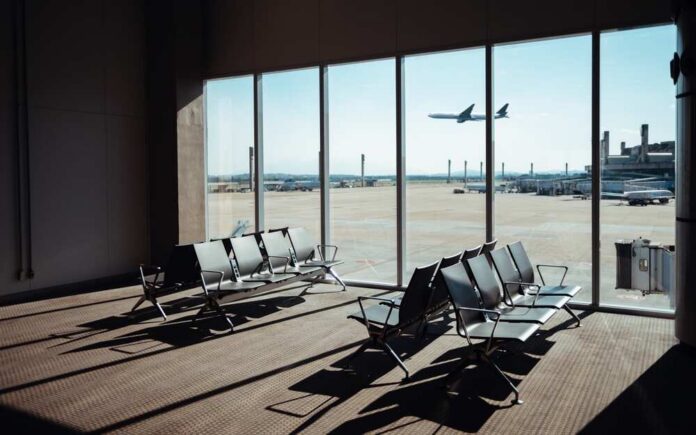
The same summer heat that sends you to the beach is quietly turning airports into choke points where physics, climate, and airline schedules collide.
Story Snapshot
- Extreme heat now forces airlines to cut weight, delay, or reroute flights on some of the hottest days.
- Hotter air is less dense, which makes it harder for planes to take off safely, especially at busy or high-altitude airports.
- Researchers warn rising temperatures will push more flights into weight limits and mid-day performance trouble by midcentury.
- Smart travelers can dodge many heat-driven headaches by how they book and where they connect.
How rising heat turns clear skies into delay days
Most travelers watch for storms and snow, yet more airlines now blame record heat for blown schedules and sudden gate changes. On the hottest days, the problem is not that planes melt, it is that the air around them changes. Hot air spreads out and becomes less dense.
That thinner air gives wings less lift and engines less push, so a loaded jet needs more speed and more runway to get safely off the ground. When a runway or aircraft hits its limit, something has to give: seat count, cargo, fuel, or time.
At airports like Phoenix, Las Vegas, and Palm Springs, that limit shows up more often than it used to. Phoenix Sky Harbor International Airport now averages about 43 days a year at 110 degrees or hotter, more than triple the mid‑20th century norm. Las Vegas and Palm Springs show similar jumps.
Those are not random hot spells. Researchers tie them to human‑driven climate warming, which loads the dice for longer and harsher heat waves. As temperatures climb, the number of days when takeoff performance becomes a hard ceiling also climbs.
The physics problem every pilot has to solve
Pilots and dispatchers do not guess when it is too hot. They run performance numbers for every flight. These calculations factor in temperature, airport altitude, runway length, aircraft type, and weight. When the equations say a plane cannot safely lift off with its planned load, the crew must act.
Airlines can move departures to cooler hours, use longer runways if available, or shed weight by offloading baggage, fuel, or even booked passengers. Each of those choices protects safety. Each one can also trigger delays, missed connections, and new headaches for travelers.
Rising temperatures are forcing airlines to delay flights or reduce passenger loads because hot, thin air decreases airplane lift. Travelers should prepare for potential heat-related delays as extreme summer weather impacts nationwide flight schedules. https://t.co/PfgXe34FV6 pic.twitter.com/tKaAaHLJk8
— KTBS (@KTBS) August 5, 2026
Big jets such as common Boeing and Airbus models can usually take off safely up to about 122 degrees, but that number assumes the runway and other conditions cooperate. Smaller regional jets and turboprops often hit limits sooner.
High‑altitude airports or shorter runways reduce the margin even more. That is why some of the harshest stories of people being bumped from flights, or planes sitting on the tarmac while bags are removed, come out of hot‑weather hubs in the American Southwest and similar climates.
From rare event to structural risk for air travel
For years, heat‑related disruptions sounded like oddball stories: a Phoenix flight delayed because it was “too hot to fly,” or a Las Vegas departure that needed passengers removed so the plane could make it off the ground. Now the pattern shows up in data and forecasts.
A study led by Columbia University and partners, reported by Climate Central and U.S. News, projects that by midcentury, rising temperatures could force weight restrictions on about 10 to 30 percent of flights departing at the hottest hours from major airports.
Airlines run tight schedules and thin margins. When more peak‑hour flights face weight cuts, carriers may space departures further apart, move heavy flights into cooler windows, or accept more delays as part of doing business in a hotter world.
Airport operators face their own choices: longer runways, new cooling systems for ground crews and equipment, or revised noise rules as more late‑night and early‑morning departures become necessary to avoid heat limits. None of that is free. All of it traces back to a physical reality, not a press release.
What travelers can do to outsmart the heat
Travelers cannot control the weather, but they can stack the odds in their favor. Airline and aviation experts give the same first rule again and again: book the earliest flight of the day. Morning temperatures are lower, the air is denser, and the schedule has not yet been stretched by earlier delays.
Early departures are less likely to run into both performance limits and the rolling ripple of missed slots and gate crunches.
Route choice also matters. Travel advisors suggest connecting through northern airports in summer when possible and leaving southern hubs for cooler seasons. Avoid tight connections at hot‑weather hubs during July and August, when triple‑digit days are most common.
If you must travel in the peak heat window, watch your airline’s alerts, and know your rights. When a delay or cancellation is tied to weather and safety, carriers still owe you clear information and assistance, even if cash compensation rules differ. In short, the smarter you plan, the less likely rising temperatures will strand you at the gate.
Sources:
scientificamerican.com, climatecentral.org, 0e190a550a8c4c8c4b93-fcd009c875a5577fd4fe2f5b7e3bf4eb.ssl.cf2.rackcdn.com, houstonchronicle.com, time.com, facebook.com, fox35orlando.com