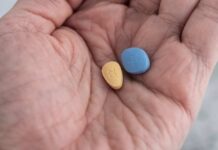


Two deaths tied to products sold as retatrutide hit the Food and Drug Administration’s radar, and the crackdown has begun.
Story Snapshot
- Two death reports named illicit products marketed as retatrutide, per documents reviewed by CBS News.
- Food and Drug Administration says retatrutide is unapproved and illegal to compound for weight loss.
- Clinical trials of retatrutide reported deaths deemed unrelated to the study drug by investigators.
- Food and Drug Administration adverse event reports flag signals but do not prove cause.
What triggered the alarm and who is acting now
CBS News reported that two recent death reports were filed to the Food and Drug Administration after people used bootleg products sold as retatrutide, an experimental weight-loss drug still under study. The Food and Drug Administration has warned telehealth sellers and other marketers about illegal sales of unapproved drugs such as retatrutide and said these substances cannot be used in compounding under federal law. That pairing—fresh reports and clear legal lines—sets the stage for enforcement.
Retatrutide has no approval for any use in the United States, and no listing exists in the Drugs at Food and Drug Administration database. That means no assurance of quality, dose, or purity for any product sold as “retatrutide.” The Food and Drug Administration has framed this as both a safety and a law problem: consumers face unknown substances, and sellers operate outside the guardrails that protect patients and honest clinicians.
What trial data do—and do not—say about risk
Peer-reviewed trial results offer a separate signal. A Lancet paper on retatrutide reported two deaths among participants in one dose group, and investigators judged them unrelated to the study drug. Broader program summaries echo that pattern. Some report deaths across several dose groups with the same conclusion of no causal link. Trial deaths always deserve scrutiny, but they are not proof that the drug caused harm. That context matters when bootleg versions enter the market.
Drug safety work hinges on clear lines between association and cause. The Food and Drug Administration’s own guidance says the Adverse Event Reporting System gathers spontaneous reports that are not fully verified. The existence of a report does not show a drug caused an event, and the database cannot support rates or firm causal claims. It is a smoke alarm, not a lab test. That is why investigators look for patterns, medical records, product testing, and autopsy results before drawing firm lines.
Why illicit supply chains raise the stakes for patients
Bootleg products break the chain of custody that protects patients. Labels can lie, doses can drift, and contamination can sneak in. Even a safe drug becomes risky when the product is fake or mishandled. That is why the Food and Drug Administration bans compounding of new, unapproved drugs such as retatrutide and has cited sellers who pitch do-it-yourself injections. The conservative common-sense view aligns here: follow the law, protect the patient, and punish bad actors who profit from risk.
The Food and Drug Administration received reports in recent months that two people died after taking bootleg versions of an experimental weight-loss drug, according to documents reviewed by CBS News.
The reports link the deaths to products claiming to be retatrutide, a drug… pic.twitter.com/u94nox9aLf
— CBS News (@CBSNews) October 13, 2026
Consumers can take three simple steps now. First, avoid any product sold as retatrutide outside a regulated clinical trial; it is not approved, and sellers know that. Second, talk with a trusted clinician about approved options for weight loss, which come with dosing, guidance, and known risks and benefits. Third, report any suspected adverse events to the Food and Drug Administration’s MedWatch system. Those reports, while imperfect, help regulators spot danger faster.
Where the investigation goes from here
Regulators will likely pursue the supply chain behind these reported deaths while they test seized products and review clinical details. Expect warning letters, seizures, and referrals for prosecution where warranted. Expect, too, more careful messaging from drug developers running trials, because confusion fuels demand for black-market vials. The near-term goal is simple: stop illegal sales and prevent more harm. The long-term goal stays clear: prove safety and efficacy through trials, then bring a lawful product to market—or do not bring it at all.
Sources:
cbsnews.com, fda.gov, static.poder360.com.br, open.fda.gov