
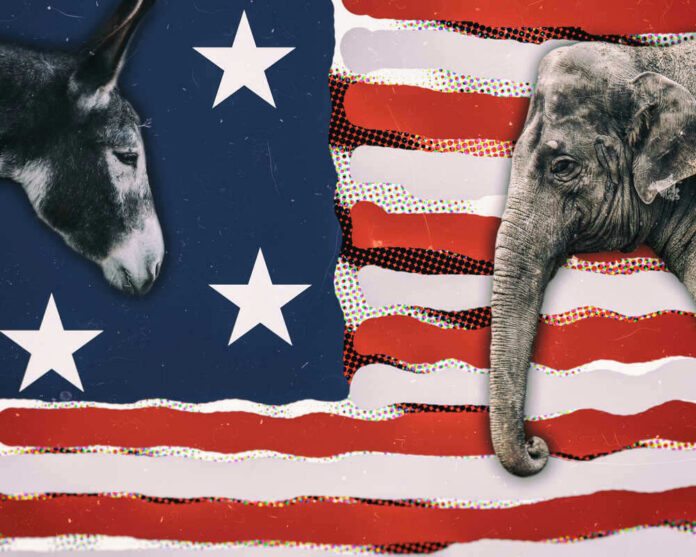
Twelve senators from both parties told President Trump to scrap the Russian diesel waiver because they say it funds Putin and undercuts U.S. law.
Story Snapshot
- A bipartisan group of six Republicans and six Democrats urged an immediate reversal of the diesel waiver.
- The Treasury license allowing Russian diesel sales is the flashpoint of the dispute.
- Trump framed the waiver as a way to add supply and lower diesel prices amid a crunch.
- A new sanctions law gives the White House tools to penalize Russia’s energy buyers.
What triggered the bipartisan pushback
The letter landed on October 13, with signatures from senior Republicans and Democrats. The group includes Senate leaders and committee veterans who track national security and energy. They argue the Treasury Department’s General License No. 135 lifts sanctions on Russian diesel and hands Moscow new revenue. They warn this move blunts pressure on the Kremlin while a war still rages in Ukraine. They want President Trump to rescind the waiver and follow the new sanctions path Congress just passed.
President Trump announced the diesel opening as a price relief move. The message was simple: allow Russian diesel into world markets to ease a tight supply that has pushed up costs for shippers, farmers, and consumers. Reported figures included an initial tranche above 300,000 tons, 500,000 tons in November, and 1 million tons after that. Treasury followed by granting a temporary waiver to permit those flows into global markets under the license.
The law Congress passed and why it matters now
Congress enacted the Lindsey O. Graham Sanctioning Russia and Iran Act in September. The law authorizes tariffs up to 100 percent on the largest buyers of Russian oil and gas and set an October deadline for broader steps. The senators say the White House should use these tools to squeeze Russia’s energy revenue, not relax penalties on diesel exports. They argue the waiver conflicts with the direction of the law’s strategy and weakens leverage at a critical moment.
The senators also say the diesel move gives Americans little in return at the pump. Their letter claims the price effect would be small while the Kremlin gains fresh cash. They tie any added revenue to Russia’s ability to sustain a long war and deepen ties with China, Iran, and North Korea. The letter is forceful, but it is an advocacy document, not an economic model. The claim rests on logic and recent experience with energy sanctions rather than fresh price data.
The administration’s case and the numbers in view
The White House frames the waiver as a practical step. The stated goal is to add barrels to a strained diesel market so prices cool. That argument tracks with basic supply logic, and the administration highlights a global shortage linked to conflicts and refinery outages. The delivery schedule Trump announced outlines a pipeline of supply over several months. The plan relies on Treasury’s license to let those shipments reach buyers who would otherwise be blocked.
BIPARTISAN BREAK WITH TRUMP: A dozen Republican and Democratic senators are urging President @realDonaldTrump to scrap his diesel deal with Russia, warning it could help Vladimir Putin finance his war against Ukraine.
The lawmakers call the agreement "a gift to our adversary and…
— Erik Hoffmann (@TheErikHoffmann) October 14, 2026
Critics counter that the scale looks modest against U.S. and global demand. Some coverage notes that the first wave would amount to a small share of consumption, suggesting any price dip would be limited. Supporters of the senators’ position say that if relief is tiny but revenue to Moscow is real, the trade-off fails a basic cost-benefit test rooted in common sense and conservative principles: do not fund an adversary for pennies off at the pump.
What conservatives will weigh next
Two tests now matter. First, does the waiver meaningfully lower diesel prices for American families, truckers, and farmers? If yes, by how much and how fast? Second, how much added cash would Russia gain from any shipments that move under the license? Clear numbers should decide, not slogans. Congress gave the president tools to punish Russia’s energy trade. Using a waiver instead puts the burden on the administration to prove the net U.S. benefit outweighs the risk.
Process and transparency will shape trust. The senators want details on the license, timing, and compliance guardrails. They also want the administration to execute the new sanctions law as written. Many conservatives will agree on a baseline: help American consumers, but do not refill the Kremlin’s war chest. Until Treasury releases the full license terms and shows market results, the letter’s call to rescind remains a serious, bipartisan warning light on the dashboard.
Sources:
cbc.ca, cbsnews.com, blumenthal.senate.gov