
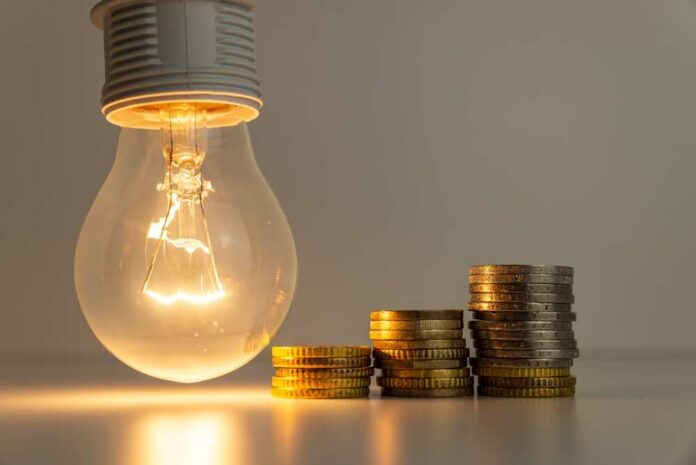
One in five Americans say they cut back on food to keep the power on—and that should set off alarms.
Story Highlights
- Consumer Reports’ national survey found widespread strain from home energy bills.
- About one in five Americans reported reducing food purchases to afford electricity or heat.
- Utility shutoffs reached millions of households in the last year, raising basic health and safety risks.
- Researchers link heavy energy burdens to higher odds of falling into or staying in poverty.
What the new survey says about “heat or eat” trade-offs
Consumer Reports surveyed 2,146 adults across the country in November 2025 and found that 68 percent said home energy costs strained their household budget. That strain shows up in harsh choices. Reporting from Consumer Affairs pegged the share of Americans who cut back on groceries to afford heat or power at roughly one in five, with the squeeze heaviest on lower-income families. The picture is clear: electricity and heating bills are not just higher; they are pushing into the grocery cart.
🔴 1 in 5 Americans cut food spending to pay electricity bills, survey finds
About 20% of U.S. adults have reduced grocery purchases to afford electricity, while 25% lower heating or air conditioning to uncomfortable levels, according to a Consumer Reports survey of over 2,000… pic.twitter.com/pivjG0b5Fe
— NewsTongue (@NewsTongueX) October 21, 2026
America’s affordability crunch crosses categories, but energy has a special bite. Power and heat are not optional. When bills spike, people find room in food spending first because it is the fastest lever to pull. Households can delay a new coat or stretch a tank of gas, but you cannot let the fridge—or the furnace—go dark. That is how a utility bill turns into skipped dinners. Common sense says any policy that hikes fixed monthly costs hits kitchen tables next.
Shutoffs, arrears, and the health risks behind the meter
Utility shutoffs show the on-the-ground strain. An estimated 4.2 million households lost service last year, according to a recent report cited by a major news outlet. A shutoff is not just a late fee with extra steps. It threatens medicine that needs refrigeration, safe indoor temperatures, and the ability to cook at home. Once the power is cut, reconnection fees and deposits can trap families in a deeper hole. That spiral can turn a short-term crunch into long-term hardship.
Research ties high energy burdens to economic risk. A peer-reviewed panel study found that households spending a large share of income on energy had higher odds of entering or staying in poverty over time. That link fits what many families live: when energy costs rise faster than paychecks, savings shrink, debt grows, and trade-offs get tougher. Some advocates warn that new demand from data centers could raise rates further. Consumer Reports found strong public concern about that risk.
Why this is happening now—and what actually helps
Energy prices bounced with fuel markets, weather shocks, and grid investments. Meanwhile, food costs also climbed, so there is less slack to cover a spiky electric bill. Lending analyses of public data show more people juggling past-due balances while cutting basics to avoid disconnection. Regulators approve rate cases. Utilities pass through costs. Families pay the tab. That chain may be legal, but it is not painless. It demands tougher oversight and simpler, targeted relief for those on the edge.
Solutions exist that match conservative values of accountability and work-first help. First, make assistance programs easy to access and time-limited, with firm verification. Direct bill credits during peak seasons cost less than broad subsidies and prevent costly shutoffs. Second, push utilities to adopt clear, fair payment plans before disconnecting service. A recent research review found that strong consumer protections reduce both shutoffs and the need to skip essentials like food. Third, reward efficiency upgrades that cut bills for good.
Cut the bill, not dinner: practical steps for households
Households can claim quick wins without waiting on regulators. Seal air leaks, set water heaters to 120 degrees, wash clothes in cold water, and swap in efficient bulbs. Smart strips stop “vampire” loads from electronics. Ask the utility for a free or low-cost energy audit and a budget billing plan to smooth winter spikes. Many utilities offer rebates for smart thermostats and appliance upgrades. Small steps compound. A tighter home uses less energy every month, which means fewer hard choices when the bill arrives.
Policy should do its part too. Require utilities to show the customer impact of every rate request in plain language. Tie executive bonuses to outage performance and affordability, not just earnings. Fast-track neighborhood weatherization in high-burden areas, with local contractors and verified savings. Publish shutoff data monthly so the public can see what is happening and where. Sunlight and standards bring discipline. Families should not have to skip meals to keep a light on over the table.
Sources:
consumerreports.org, cbsnews.com, advocacy.consumerreports.org, kleinmanenergy.upenn.edu