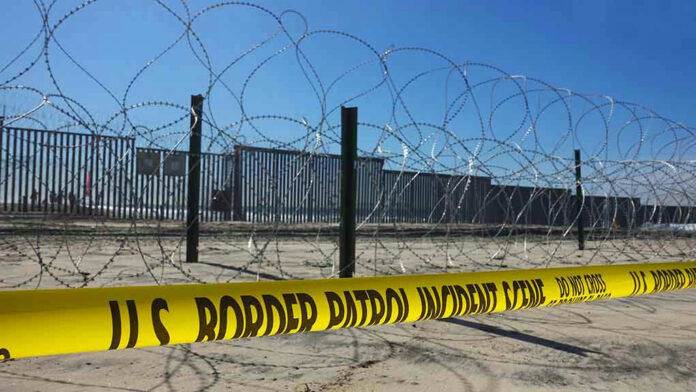
The Justice Department asked the Supreme Court to restart border wall work across the Big Bend sector, and the stakes stretch far beyond fence posts.
Story Snapshot
- Justice Department filed an emergency request to lift a sweeping injunction in West Texas.
- The order halted barriers, roads, lighting, and groundwork across more than 500 miles of border.
- Homeland Security relied on a law that lets it waive other laws to speed construction.
- Opponents argue the waivers are unconstitutional and the harm to land and culture is serious.
What the administration asked the justices to do
The Justice Department filed an emergency application asking the Supreme Court to pause or overturn a lower court order that froze construction in the Big Bend sector of Texas. The filing targets a preliminary injunction issued by U.S. District Judge Kathleen Cardone that barred new barriers, related infrastructure, and any ground-disturbing work across the sector while lawsuits proceed. The government argues that border security and operational needs outweigh the harms claimed by local challengers and asks for a stay and even summary reversal.
The injunction’s scope adds urgency to the request. Reports describe the Big Bend sector as spanning more than 500 miles of border and 77 counties. The order applies sector-wide rather than to one segment or parcel, which means every project in the region is frozen. The Justice Department says that breadth harms federal control of border operations and undermines Congress’s directives for barrier projects in key areas. A Supreme Court stay would let work resume while appeals play out.
The law the government says unlocks construction
The Department of Homeland Security invoked Section 102(c) of the Illegal Immigration Reform and Immigrant Responsibility Act to waive environmental and historic-preservation laws for Big Bend projects. That statute, as later amended, empowers the secretary to set aside “all legal requirements” needed to speed border barriers. It also narrows court review mainly to constitutional claims. The plaintiffs in Friends of the Ruidosa Church v. Mullin challenge those waivers as unconstitutional and beyond the agency’s power.
The government’s emergency filing, as summarized in news reports, calls the injunction “baseless” and says federal border-security interests “vastly outweigh” the asserted aesthetic, recreational, and cultural harms. That framing fits how courts weigh emergency relief: who is likely to win, what harm comes without a stay, and where the public interest lies. The filing also points to Congress’s design that lets Homeland Security move fast in defined border zones when delays would risk security goals.
What the district court did, and why it matters
Judge Cardone issued a preliminary injunction that stopped barriers, roads, lighting, and other groundwork across the Big Bend sector. A preliminary injunction signals the court found enough on the legal and factual record to halt activity until a full hearing. The public summaries do not list each element the court relied on. The result, however, is clear: no digging, grading, or fence building in a region the government sees as part of its broader border strategy.
🚨 NEW: The Trump administration has asked the SUPREME COURT to intervene and allow construction of the southern border wall to resume in West Texas.
The Justice Department filed an emergency application Wednesday seeking to overturn a federal judge's order blocking construction… pic.twitter.com/CfLVuhHugm
— Unmask The SYS (@UnmaskTheSys) October 22, 2026
A sector-wide halt gives challengers leverage and pressures the administration. The government will argue the order is not tailored and intrudes on the executive’s duty to control the border. Plaintiffs will argue the waivers broke constitutional limits and skip safeguards that protect land, culture, and private property. The Supreme Court often narrows overbroad injunctions. It sometimes restores federal operations while lower courts sort the merits. That pattern could repeat here if the justices view the order as too sweeping.
The crosswinds: local claims and national policy
Local officials and landowners warn the project could harm ranch work, tourism, and river access. Some say Big Bend’s rugged terrain acts like a natural wall and question whether new barriers change crossings enough to justify the cost and disruption. Environmental and Indigenous groups cite risks to wildlife movement, flooding, and sacred or archaeological sites. These claims sit at the heart of the lawsuits that spurred the injunction.
On the other side, the administration stresses a constitutional duty to secure the border and enforce immigration law. Congress gave Homeland Security unusual tools to do that. When a federal statute authorizes speed and narrows review, courts tend to defer unless a clear constitutional line is crossed. From a common-sense, security-first view, a targeted stay that allows time-sensitive work while the court reviews the waivers respects both border needs and the rule of law. The justices will decide that balance.
What to watch next
Watch for the Supreme Court’s shadow-docket response. A brief order could stay the injunction, deny relief, or request narrow briefing from both sides. If the Court limits the order to hot spots or specific segments, that would signal concern about breadth without tipping the merits. If it grants broader relief, the justices may see the waivers as within Congress’s design and the executive’s lane, leaving constitutional claims for full argument later.
Expect fresh filings with maps, project lists, and declarations about crossing routes and patrol gaps. Sector-specific data on apprehensions, “got-aways,” and smuggling corridors would help the Court and the public judge need versus nuisance. The central question remains stark and simple: how far can the executive go, under a statute Congress wrote for speed, when local land, culture, and livelihoods sit in the path of a national border plan?
Sources:
cbsnews.com, reuters.com, mrt.com, tpr.org, clearinghouse.net