
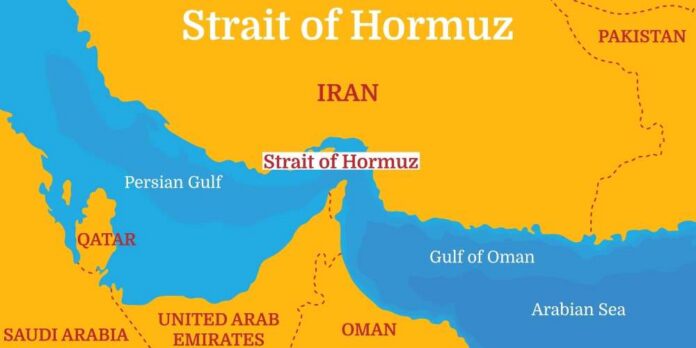
Oil snapped above $90 because one island in Hormuz reminded the world how fast energy math can break.
Story Snapshot
- U.S. Central Command said it hit two Iranian launchers on Larak Island to stop an “imminent” mining threat to the Strait of Hormuz.
- Brent crude jumped over 3% as traders priced the risk to a key oil lane that carries a large share of world supply.
- Iran’s Guards said the strike killed and wounded Iranians and vowed punishment, but gave no firm toll.
- CENTCOM framed the action as a limited, time-sensitive defense of commercial shipping.
What CENTCOM Says Happened And Why It Moved Fast
U.S. Central Command said American forces struck two Iranian launchers on Larak Island after spotting units from the Islamic Revolutionary Guard Corps preparing to launch rockets with sea mines into the Strait of Hormuz.
The command described a “limited, precise action” to stop an imminent threat to civilian mariners and the free flow of commerce.
The military presented the strike as a narrow defensive step, not a ticket to a wider war. The claim did not include public drone video or detailed munitions data.
Command officials also said they had recently cleared sea mines from the strait’s main shipping routes, which points to a rolling effort to keep the lane open for tankers and cargo ships. That matters because Hormuz is where small tools can cause big trouble.
A few mines or their threat can slow traffic and spike freight and insurance costs. The U.S. message signaled deterrence: lay mines, lose equipment, and expect quick removal of hazards before they endanger crews.
Why Oil Shot Higher In Minutes, Not Months
Oil markets do not wait for perfect proof; they price risk now and argue later. After the strike news, Brent crude rose more than 3% and pushed above $90 per barrel, reflecting a fast risk premium on a chokepoint that moves a large slice of the world’s oil and fuel.
Traders saw a higher chance of miscalculation, more maritime patrols, and some ships rerouting or delaying. Even without a closure, day rates, insurance, and buffer inventories can lift prices. That is the playbook at Hormuz.
Crude oil prices have risen above $90 per barrel after the United States and Iran resumed military strikes over the Strait of Hormuz, reviving concerns about disruptions to global oil supplies through the strategic waterway. https://t.co/97lMzRe9RG pic.twitter.com/OWiWHfCGJY
— Nairametrics (@Nairametrics) August 31, 2026
Short-term pops often fade if tankers keep moving and both sides step back. But repeated moves at the mouth of the Gulf can compound into longer supply friction.
Past flare-ups show that a few tense days can raise quarter-long costs for refiners and airlines. That is why a precise strike can still ripple wide. Markets are not voting on blame; they are hedging against outages and political aftershocks that might stretch beyond a news cycle.
Iran’s Claims, The Fog Of Early Evidence, And What To Watch
Iran’s Revolutionary Guard said the U.S. attack killed and wounded Iranian fighters and civilians and pledged punishment, though it did not provide a precise toll. State and semi-official outlets amplified vows of retaliation across the region.
These are serious claims, and they add pressure on leaders to answer force with force. Early conflict reports often carry gaps or spin. The absence of public imagery cuts both ways, but it does not erase the duty to keep sea lanes safe from mines.
America seeks to protect shipping, deter mining, and avoid dragging civilians into danger. The CENTCOM account is consistent with that line, though it rests, for now, on official reporting more than shared visual proof.
Iran’s broad retaliation threats fit a familiar script that seeks leverage through fear rather than accountability. A transparent follow-up with satellite shots or debris analysis would strengthen the U.S. case and cool doubt without tipping sensitive sources.
Hormuz Basics: Small Moves, Big Stakes
The Strait of Hormuz is a narrow waterway that carries a large share of global energy flows. Disruption there can lift crude and fuel prices fast, strain household budgets, and squeeze small businesses that live on tight margins.
This is not abstract geopolitics; it shows up in the price at the pump and in airline tickets. Keeping mines out of the channel protects not only shippers and sailors, but families who feel higher costs weeks later when supply chains choke.
Three signals will tell you where this goes next. First, whether commercial shipping advisories stay calm or start routing tankers wider. Second, whether insurers hike war-risk premia, which can push prices above $90 even without new attacks.
Third, whether the U.S. releases more evidence that the launchers posed an imminent mining threat, which would reinforce lawful self-defense and narrow the space for escalation. If tankers keep sailing and proof lands, the risk premium can ease.
Sources:
politico.com, reuters.com, time.com