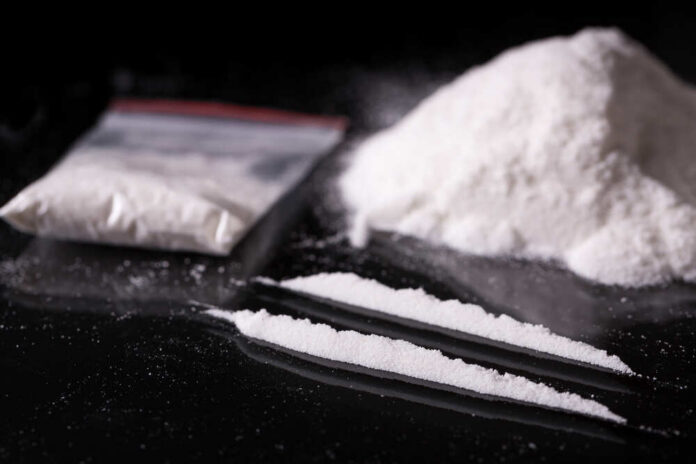
New York police pulled off their biggest cocaine bust in more than a decade, hauling over 580 pounds of the drug out of a Queens storage facility worth an estimated $10 million on the street.
Story Snapshot
- Police seized about 266 kilograms, over 580 pounds, of cocaine outside a self-storage facility in Long Island City, Queens.
- New Jersey resident Nelson Salcedo, 35, was arrested and charged with criminal possession of a controlled substance.
- Police Commissioner Jessica Tisch called it the NYPD’s largest cocaine seizure in at least a decade.
- The bust followed a months-long investigation into a multistate trafficking operation with suspected cartel ties.
What Happened Outside The Storage Facility
Law enforcement arrested Salcedo on the evening of August 26, 2026, as he loaded a van outside a self-storage facility in Long Island City. Officers say they caught him in the act of moving the drugs.
The seizure capped a months-long investigation involving the New York Police Department (NYPD) and federal Drug Enforcement Administration (DEA) agents from New Jersey, according to Tisch’s Friday announcement.
Investigators say the operation stretched across multiple states and involved suspected middlemen tied to a larger trafficking network, though officials have not detailed the full command structure publicly.
New York Attorney General Letitia James and Commissioner Tisch announced arrests and indictments tied to the case, including a 65-count indictment against two individuals accused of running the trafficking scheme.
A Decade-High Haul With Real Street Stakes
Officials pegged the cocaine’s value at roughly $10 million, based on standard street-level pricing for the quantity recovered.
Prosecutors noted the haul likely would have been cut with fentanyl before reaching buyers, a grim detail that underscores how one storage-unit stash could have fed poison into neighborhoods far beyond Queens. That combination, cocaine and fentanyl, has fueled overdose deaths nationwide for years.
Weighing in at over half a ton, the seizure ranks among the largest in city history and marks the NYPD’s biggest cocaine bust in at least ten years.
For a department that handles routine drug arrests daily, a haul of this size signals something structurally different, likely a supply chain built for bulk distribution rather than street-corner dealing.
Why The Numbers Matter, And Why They Deserve A Careful Read
Street-value estimates like the $10 million figure are not exact science. Police typically calculate these numbers by breaking bulk weight into smaller retail units and multiplying by average local prices, a method critics have long called rough and inflatable rather than audit-grade accounting.
That does not make the underlying seizure any less real. The drugs existed, the arrest happened, and the weight was measured. But dollar figures attached to busts are estimates, not appraisals.
This pattern shows up across drug-bust reporting nationwide. Agencies have clear incentives to highlight the biggest plausible number, since large seizures justify budgets, support deterrence messaging, and generate the kind of headline that reassures the public police are winning the fight.
None of that undercuts the physical facts of this case. It simply means readers should treat the “historic” framing as a description of scale, not a forensic certainty about value.
NYPD MAKES NEW YORK CITY’S LARGEST COCAINE SEIZURE IN 20 YEARS
Nearly 590 pounds of cocaine was seized by the N-Y-P-D at a storage facility in Queens, New York.
Police say the drugs had a street value of about $10 million.
This week's seizure is the largest made by the N-Y-P-D…— Worldwide News Network (@WorldwideNNX) August 29, 2026
Trafficking networks keep moving product through American cities in bulk, often with interstate and cross-border connections.
A single storage unit in Queens holding a quarter-ton of cocaine is a reminder that the supply chain feeding the opioid and cocaine crisis runs directly through ordinary American neighborhoods, not just distant borders.
Salcedo faces criminal possession charges tied directly to the seizure, and the broader indictment against two other individuals suggests prosecutors believe they have identified organizers behind the operation, not just a lone courier.
As the case moves through the courts, the scale of this bust, real weight, real arrests, and a real supply network, will likely keep it in headlines well beyond its initial announcement.
Sources:
youtube.com, abc7ny.com, ag.ny.gov, pix11.com, snpnyc.org