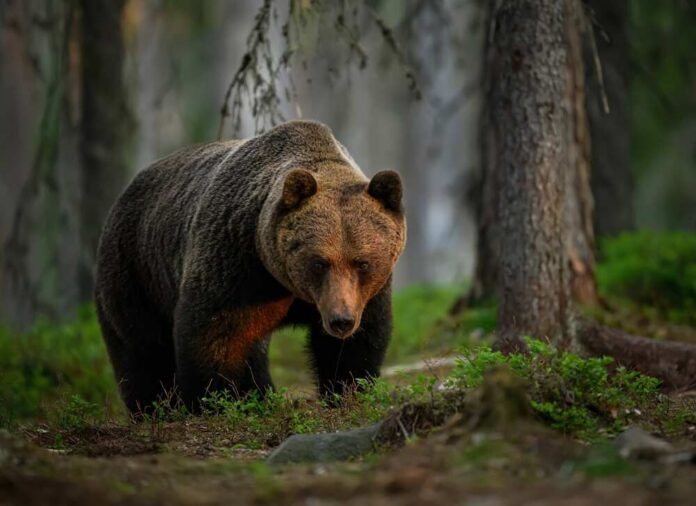
Colorado’s bone-dry summer pushed hungry black bears out of the hills and straight into town.
Story Snapshot
- State officials linked a sharp rise in bear reports to drought-reduced natural food.
- Reports through mid-August hit 6,129, nearly double the same period in 2025.
- Encounters spanned Fort Collins, Aspen, Colorado Springs, and more.
- Safety guidance focused on trash, bird feeders, and never approaching bears.
Drought cut natural food; bears followed their noses into neighborhoods
Colorado Parks and Wildlife said extreme drought limited berries, nuts, and plants that bears use to fatten up for winter. With the pantry empty in the backcountry, bears searched for calories in neighborhoods, alleys, and college campuses.
Officials tied this shift to the dry summer and, in places, a late freeze that hit berries hard. They warned that when human food stays easy and wild food gets scarce, bears will choose the shortest path to the fullest bin.
The numbers back up the field reports. By August 13, Colorado Parks and Wildlife logged 6,129 bear sightings and conflicts. That total stood at nearly double the 3,115 logged by the same point last year.
The agency described more calls, more break-ins into garages and cars, and more bold foraging around homes. A drought year often compresses the fall feeding rush into towns because bears need tens of thousands of calories per day before denning.
Bears are getting into more trouble than usual in the parched Rocky Mountains this summer. They are wandering into urban areas, getting trapped in cars, raiding trash cans and sometimes attacking people.
Read more: https://t.co/oecGUC8372 pic.twitter.com/wUJfQKLz6b
— ABC News (@ABC) September 8, 2026
From Aspen patios to campus move-in, encounters spiked across the map
From the Front Range to the high country, the pattern looked the same. Bears turned up in Fort Collins, Eagle-Vail, Snowmass, and Steamboat Springs. Aspen saw a headline case when a black bear wandered through a restaurant, knocking items over and spooking diners.
Colorado Springs had a tragic car entrapment that left a bear dead. Colorado State University fielded reports during move-in week, as food, trash, and open doors made easy targets in the heat of the day and cool of night.
Officials in the White River National Forest said drought severely cut summer forage and pushed bears toward people. Rangers described dry slopes and thin berry patches where bears usually feed hard in August. When calories run short, bears test new routes and times.
Many shifted to moving at night in town, where trash day becomes a buffet line. One skipped latch or bird feeder can teach a bear that humans mean food, which repeats the cycle across a block.
Clear steps reduce risk: starve the problem at the source
Colorado Parks and Wildlife urged residents to lock down food sources. Secure trash in bear-resistant cans. Clean grills and store them indoors. Remove bird feeders when bears are active. Keep garage doors shut, cars locked, and windows closed if food is inside.
Never feed or approach bears, even to get a photo. These steps line up with years of research showing that bears use urban areas most when natural foods crash and human calories stay easy to reach.
Local rules help, but results hinge on follow-through. Towns with strict trash ordinances and real enforcement see fewer conflicts. Neighborhoods that swap regular cans for certified bear-resistant models cut raids fast. Businesses that manage dumpsters reduce late-night visits and patio break-ins.
Why this year stood out and what to expect next
Colorado’s spike fit a broader pattern that wildlife managers have seen before. Dry summers, late frosts, and wildfire scars can strip slopes of berries and acorns. Bears then shift to wherever they can meet their calorie needs fast.
Some years that means a few weeks of night raids; in tough years, it lasts into fall. The lesson is steady: when drought hits and towns leave food exposed, bears learn the shortcut. The fix begins at the trash can.
Sources:
wyomingpublicmedia.org, cpr.org, coloradoan.com, kunc.org, axios.com, kjct8.com