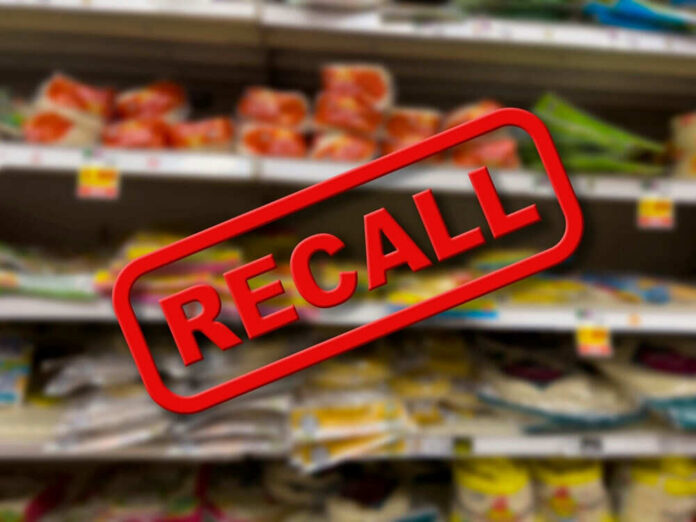
A recall over a few stray plastic bits just exposed how fragile our entire frozen-food trust really is.
Story Snapshot
- MorningStar Farms pulled two popular plant-based products over possible plastic pieces in the food.
- The recall is voluntary, nationwide, and marked “Class II” by the Food and Drug Administration.
- No injuries are reported, but the company has not shared lot numbers or full investigation details.
- The case shows how modern food, plastic, and media panic now collide in your freezer.
What MorningStar Farms Pulled Off Your Freezer Shelf
MorningStar Farms, owned by Mars Inc., voluntarily recalled two frozen plant-based products after reports that small pieces of plastic might be mixed in with the food.[1]
The recall targets Buffalo Chik’n Nuggets in 10.5-ounce bags and Hot & Spicy Sausage Patties in 8-ounce boxes, sold across the United States, Puerto Rico, and Costa Rica.[1]
These are mainstream, grocery-aisle staples. The concern is not some rare specialty item, but the kind of box you toss into your cart without a second thought.
The company listed exact bar codes and “best by” dates that run into July 2027 so shoppers can match what is in their freezer.[1]
Retailers received instructions to pull the flagged products from shelves and storage. Consumers were told not to eat the food, to throw it away, and to contact the company for a full refund.[1]
That sounds simple, but it also assumes you still have the box, can read the code, and trust that the problem is really limited to those dates and items.
How Serious The Government Says This Risk Could Be
The Food and Drug Administration labeled the case a Class II recall, which means eating the food may cause temporary or medically reversible health problems.[3] Plastic chunks in nuggets or patties can chip teeth, cut the mouth, or cause choking.
At the same time, the company and news reports say no injuries or illnesses have been reported so far. That puts this in a gray zone: not a mass poisoning event, but not some harmless paperwork exercise either. For parents, that gray zone is where worry lives.
MorningStar Farms Voluntarily Recalling Two Varieties Due to Possible Plastic Presence https://t.co/tI43TlJTSJ pic.twitter.com/9xtBtzQHSa
— U.S. FDA Recalls (@FDArecalls) June 23, 2026
Mars and MorningStar say their “highest priority” is consumer safety and that they launched an immediate investigation once complaints came in.[1]
A voluntary recall also usually limits government punishment and legal fallout, giving companies a strong reason to move quickly once they see real risk.
Where The Transparency Starts To Break Down
Public statements admit that customers reported finding small plastic pieces, but the company has not shared those complaint logs, dates, or photos.[8] That gap may be normal for legal reasons, but it still forces everyone else to take them at their word.
Reporters and commentators also note that MorningStar says the source of contamination has been “addressed” and that quality control has been strengthened, yet there is no published audit, no outside inspection report, and no clear description of what broke and how it was fixed.[8]
Most coverage also notes that no specific lot numbers beyond the “best by” dates were released, which leaves a fuzzy edge on who is truly affected.[7]
If a company expects people to throw out food and swallow the cost in time and hassle, people deserve detailed proof that the company has swallowed some pain too, through real fixes that can be checked or challenged.
Media Panic, Social Buzz, And Real Risk
Television segments and online videos flagged the story with “urgent” recall language and dramatic headlines about plastic in plant-based food.[7] Social media posts repeated the warnings as they bounced from local stations to recall-tracking accounts and plant-based diet forums.[6]
That echo can help spread useful alerts, but it also inflates fear. Many people will remember the headline—“plastic in MorningStar products”—and forget that no injuries were reported and that only two items were involved.
“`
🚨 Recall Alert
MorningStar Farms recalls Buffalo Chik’n Nuggets & Hot & Spicy Sausage Patties due to plastic contamination ⚠️🛒 Affected: U.S., Puerto Rico, Costa Rica
📅 Use by: July 5-8, 2027
🔍 UPCs: 00028989101105, 00028989100948❗ Risk: choking/injury from… pic.twitter.com/FvvWC17lXL
— USA Recalls (@USA_Recalls) June 23, 2026
This amplification feeds into a deeper unease. Studies now find microplastic particles in most protein foods, including meat, seafood, tofu, and plant-based meat alternatives.[10]
Researchers estimate that American adults may ingest millions of microscopic plastic particles each year from food and drink alone.[11]
Those particles are far smaller than the visible bits that trigger recall, but they feed a broader sense that plastic has invaded our bodies and that nobody is fully in control of the problem anymore.
What This Recall Says About Food, Plastic, And Personal Responsibility
Plastic is built into frozen food from top to bottom: conveyor guards, bag liners, shrink wrap, and storage containers all shed little pieces as they wear.[15] Safety systems exist to catch those pieces, but no system is flawless, especially in high-volume plants pushing for low prices and constant output.
At the same time, there is nothing “anti-business” about demanding real transparency when a brand asks millions of families to trust its fix. Voluntary recalls, clear refund paths, and quick cooperation with the Food and Drug Administration are a good floor, not a ceiling.[1]
The MorningStar case shows that the next step should be sunlight: plain-English explanations of what failed, how it was corrected, and how consumers can verify that change. That is not drama; that is how trust is rebuilt after plastic shows up where dinner should be.
Sources:
[1] Web – MorningStar Farms recalls food sold nationwide after plastic pieces …
[3] Web – MorningStar Farms is voluntarily recalling two frozen plant-based …
[6] Web – MorningStar Farms Recalls Plant-Based Sausage Patties and Nuggets
[7] Web – MorningStar Farms Recalls Frozen Foods Over Plastic Contamination
[8] Web – Popular Frozen Food Sold Nationwide Recalled Due to Plastic …
[10] Web – Study Finds Little Difference Between Plastic in Seafood, Meat, and …
[11] Web – Which foods have the most plastics? You may be surprised | CNN
[15] Web – How can plastic usage be reduced in frozen food packaging? – Stafix