
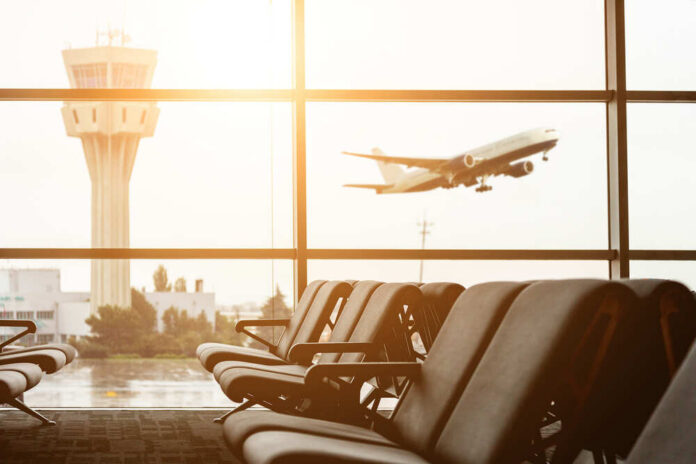
Dallas–Fort Worth International Airport quietly filed plans to add two ablution stations inside Terminal D restrooms, and the ripple is bigger than the plumbing.
Story Snapshot
- Texas regulators logged a DFW project to add one men’s and one women’s ablution station in Terminal D restrooms.
- The stations support ritual washing, called wudu, done before Muslim prayer.
- DFW previously added ablution facilities next to its Terminal D interfaith chapel in 2019.
- The airport is also running major restroom and terminal upgrades, which frames this as part of broader capital work.
What The Filing Says, Not What People Assume
Texas Department of Licensing and Regulation records show a project to add ablution stations to existing concourse-level restrooms in Terminal D, one in the men’s room and one in the women’s room.
The filing date appears in media coverage as July 31, and the scope cites “ablution stations” within current bathrooms, not a new prayer room or lounge. That narrow wording matters. It sets clear limits on what is being built and where, without broader policy claims attached.
Media and social posts quickly attached a price tag and culture-war stakes. Some posts cited a three-hundred-thousand-dollar figure, but did not show a linked primary document with cost lines. Without the full filing packet, that number remains a media figure, not a verified contract amount.
Treat cost claims with care until the actual project record appears with a budget line and vendor detail. For now, the core, document-backed fact is two stations inside existing restrooms.
Why Wudu Facilities Appear In Public Hubs
Ritual washing before prayer is a normal part of Muslim practice. It involves washing the hands, face, and feet. Many people who pray while traveling need a clean, safe way to do this. Airports that lack proper fixtures often see water on floors as travelers improvise at sinks.
That creates slip hazards and conflict. Purpose-built stations keep water where it belongs and reduce risk for everyone on the concourse. This is not special treatment; it is basic risk management that also respects free exercise.
Islamic foot-washing stations are coming to Dallas-Fort Worth International Airport.
The new Wudu stations will be installed in men's and women's restrooms in Terminal D, giving Muslim travelers a dedicated place to perform ritual washing before prayer.
Officials point to… pic.twitter.com/iA4iDgzjtl
— Fox News (@FoxNews) August 13, 2026
DFW did not start from zero on this. The airport celebrated the updated Terminal D interfaith chapel in 2019 and noted ablution stations next to the chapel. The airport operates five chapels across terminals.
That earlier build shows an institution already handling religious needs within a larger customer-service playbook, not inventing a new policy in 2026.
The restroom-based stations now planned extend that approach into high-traffic spaces where prayer schedules meet tight connections and security lines.
Zoom Out: The Capital Plan And Restroom Reality
DFW is deep into a nine-billion-dollar capital program that touches terminals, gates, and passenger amenities. Restroom renovations are a named part of that work. Many older facilities need better plumbing, ventilation, and crowd flow.
Airports now design for hands-free fixtures, family rooms, gendered and private spaces, and higher cleaning load. In that world, adding two specialty fixtures as part of a routine restroom retrofit is not out of band; it is a line item inside a much larger modernization plan.
🇺🇸 Dallas Fort-Worth Airport to install Muslim foot wash stations inside terminal bathrooms—so Muslims can wash before they pray.
The move comes after some complained online that airport passengers had used regular bathroom sinks for foot washing before Islamic prayers.
Some… pic.twitter.com/jacbfxC7d8
— Emma’s Last Stand (@EmmasLastStand) August 13, 2026
People often ask a fair question: does this cross from equal access into preferential treatment? The record supports a narrow answer. The filing adds two stations in public restrooms, not a private suite.
Travelers of any faith can still use the same restrooms and chapels. The move reduces mess from improvised washing and keeps security lines moving.
Sorting Claims You Can Bank On
Bank on the filing’s scope: two ablution stations in Terminal D restrooms. Bank on the practice these serve: ritual washing before prayer. Bank on the airport’s prior chapel upgrades that included ablution access.0
Hold claims about exact cost and timelines at arm’s length until the full Texas filing or contract shows those numbers. Ask DFW to publish the permit packet and a short rationale. That single document drop would end most guesswork and keep attention on facts, not hot takes.
What Matters For Travelers
Expect no impact on restroom access. Expect fewer puddles near sinks. Expect clear signage once installed. If the stations work as designed, most passengers will never notice. The people who need them will use them fast and move on.
That is how good public design should feel: calm, clean, and uneventful. In a place built on tight schedules and shared space, small, targeted fixes often deliver the biggest wins for order and safety.
Sources:
foxnews.com, justthenews.com, x.com, dfwairport.com, npr.org, sleepinginairports.net