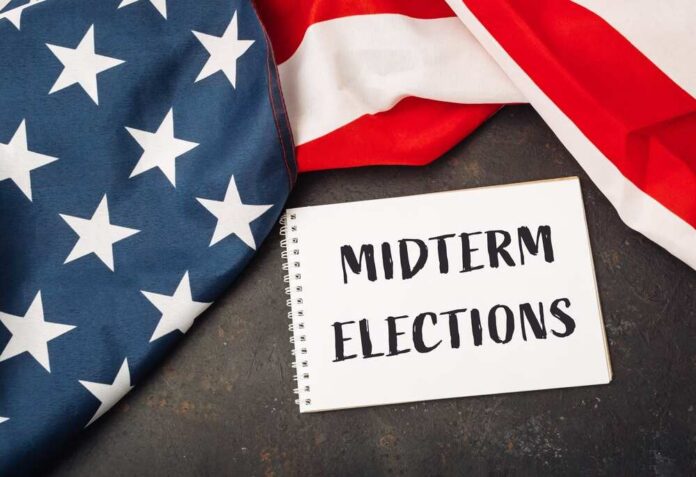
Elon Musk is preparing a nine-figure push to boost Republicans in the 2026 midterms through a revived America PAC, with a plan built for turnout and speed.
Story Snapshot
- Musk is reviving America PAC to fund a large midterm turnout program.
- Reported budget target ranges from $100 million to $120 million.
- Operations center on door-knocking, digital ads, and mail in key states.
- America PAC already ranks among top Republican-aligned recipients this cycle.
Musk’s Midterm Machine: Money, Method, and Map
Axios reported that Musk plans a “huge investment” and is resuscitating America PAC to push Republican turnout in November. The program’s toolkit includes paid canvassing, digital advertising, and direct mail—standard turnout levers that scale fast in battlegrounds.
The New York Times pegged the budget between $100 million and $120 million, a level that can blanket key states with data-driven contact at industrial speed. Reuters echoed that figure and framed the goal clearly: turn out low-propensity Republican voters.
Why this matters is simple: turnout wins close races. America PAC can legally fund independent efforts that complement party committees without direct coordination. That setup lets the group flood neglected precincts, micro-target persuadable voters, and counter high-dollar drives on the left.
Fortune data shows billionaires have already poured hundreds of millions into 2026, with most flowing to Republican efforts; America PAC sits near the top of that leaderboard. When the final week hits, late money and tight logistics can swing margins measured in hundreds of votes.
From Dormant To Dominant: What A Revived PAC Can Do
Reviving a super PAC that already ran a national operation cuts months of ramp time. Vendor relationships exist. Voter files and modeling pipelines likely persist. That gives America PAC a plug-and-play advantage as field work peaks.
Reuters reported the group expects a major role, which tracks with the spend level and the choice of proven tools. Door-knocking drives name recognition and issue salience. Digital advertising reinforces messages at lower cost per touch. Direct mail adds timely, trackable reminders to vote.
Scale makes these pieces click. A budget above $100 million can recruit thousands of canvassers and bankroll multiple message tests per week. It can buy week-long digital dominance in targeted zip codes and fund same-day chase for mail ballots.
It can also surge to hot spots when polls shift. That agility is the point. You do not try to predict the final fight in July. You build a machine that can move anywhere in October.
MUSK REVIVES AMERICA PAC WITH MASSIVE MIDTERM PUSH TO PROTECT GOP MAJORITY
Elon Musk is reviving his dormant America PAC, which spent more than $260 million backing Trump in 2024, to launch a major GOTV operation ahead of November's midterms #WashingtonEye pic.twitter.com/dFLIl5EGtB
— Washington Eye (@washington_EY) July 31, 2026
The Politics Around The Spend: Reversals, Critics, And Common Sense
Critics will say this is billionaire interference and note Musk’s past comments about dialing back politics. ABC News documented remarks about doing “a lot less” political spending, which some will frame as a flip. Voters should judge by outcomes, not sound bites.
If the program sticks to legal limits, focuses on turnout, and makes elections more competitive, that aligns with values of participation and accountability. Let people vote with full information and ample reminders—that is not corrosive; it is clarifying.
Questions remain on final targets, state list, and timing. Those details often lock in after ballot-access deadlines and new polling. The backbone is clear: America PAC plans a large, independent-expenditure push with a nine-figure ceiling, built on door-to-door contact, rapid digital messaging, and mail.
Axios, the New York Times, and Reuters converge on that picture. Fortune’s donor tracking shows the broader money tide running toward Republicans, putting more wind behind the plan. The window to build is short. The cash, it appears, is ready.
Sources:
abcnews.com, axios.com, nytimes.com, washingtonexaminer.com