

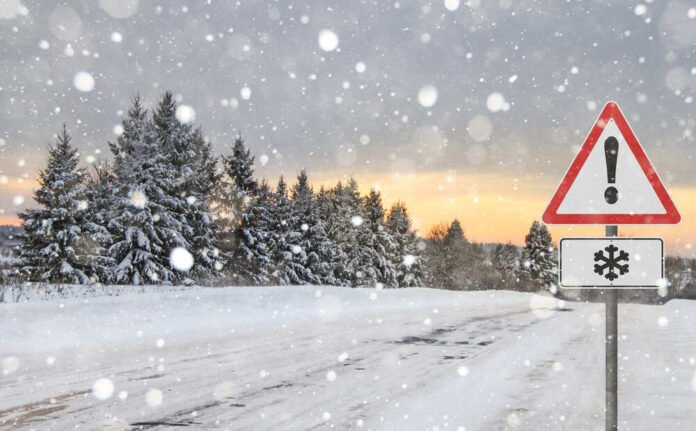
Searchers found two missing Colorado college students dead in a high alpine basin after days of snow and cold, closing a frantic hunt but leaving behind hard lessons about mountains and timing.
Story Highlights
- Chaffee County Sheriff’s Office confirmed both students were found near West Apostle Mountain.
- They left Colorado Mountain College in Leadville for a weekend hike and never returned.
- Teams found a collapsed tent under snow with gear still inside.
- Officials said foul play is not suspected; cause of death awaits autopsy.
Recovery In Rugged Terrain After A Multi-Day Search
Deputies said search teams located 19-year-old Ken “KJ” Matsuda and 20-year-old Owen Donlon at about 3:30 p.m. Wednesday in a basin near West Apostle Mountain. The area sits close to Ice Mountain, where the students planned to hike. The Chaffee County Sheriff’s Office led a multi-day search that drew on tips from friends and clues from an earlier campsite. Officials reported both bodies were recovered together in steep, snow-covered terrain.
Investigators tied the discovery to a tight weekend timeline. The students left Colorado Mountain College’s Leadville campus on Friday for a hike and did not come back as expected. Staff reported them missing Monday, which set the search in motion across high-elevation basins and ridgelines. Sheriff Andy Rohrich’s office said interviews with friends helped steer teams toward West Apostle Mountain, where they focused their efforts.
Clues At Camp Pointed To Storm Trouble
Searchers found a tent flattened by snow with sleeping bags, a stove, and clothing still inside. That detail suggests the weather hit fast, the pair left camp, or both. A strong early-season storm pushed wind and snow into the Sawatch Range while the hikers were missing. Weather can flip a safe plan into a life-and-death problem within minutes at these altitudes, turning paths, cairns, and runouts into traps.
The sheriff’s office said foul play is not suspected. That position matches many mountain fatalities, which stem from terrain, exposure, or a medical event rather than crime. Officials also said autopsies would determine the exact cause and manner of death. That final step matters because hypothermia, a fall, or a hidden medical issue can look like a tired eye at first glance and demands a clinical review.
How Hikers Get In Trouble: Patterns That Repeat
Rescue research across hiking cases shows the same themes: falls, exhaustion, navigation mistakes, and exposure. These hazards stack when storms hit or when darkness and altitude slow judgment and speed, and body heat drains. A large review of outdoor rescues found hiking dominates rescue demand, yet only a small share end in death. That still leaves a stubborn risk when winter arrives early or when a route crosses loose rock and snow slabs.
A search has ended in western Colorado for two college students who went missing while hiking Ice Mountain, a nearly 14,000-foot peak. https://t.co/wwb1QEy5yF
— ABC10 (@ABC10) October 29, 2026
American conservative values prize personal responsibility and respect for nature’s limits. That frame fits the facts here. The sheriff’s office moved fast, volunteers and professionals searched hard, and the college community showed support. The mountains did not care. Proper prep, weather windows, and bailout plans are not red tape; they are freedom’s tools in wild places. The right gear on your back and the right call at the right time beat bravado every single day.
What Comes Next: Answers, Then Prevention
The coroner’s results will close the cause-of-death question. Families deserve that clarity. The case also argues for simple, proven steps. Leave a written route plan with times. Carry real insulation, a headlamp, and a map you can hold. Track storms, not social feeds. Know when to turn around. Rescue data show time is the enemy in the backcountry; delays make survivable incidents fatal as cold, dehydration, and injuries add up hour by hour.
Local leaders can help with plain-language trailhead signs, weather kiosks, and easy route cards for popular peaks. Sheriff offices can continue quick alerts that cue early searches when hikers miss check-ins. Colleges and outfitters can run short mountain safety briefings each fall. None of this blames victims. It honors them by cutting the odds that another family gets the same call on a stormy week.
Sources:
abcnews.com, abc7news.com, yahoo.com, kktv.com, 9news.com, koaa.com, weather.com, kdvr.com, rocketcitynow.com, pmc.ncbi.nlm.nih.gov