Officials declared an emergency at a South Carolina nuclear lab after a fire, then ended it hours later when radiological surveys found no detectable contamination.
Story Snapshot
- A fire at the Savannah River Site laboratory triggered a Site Area Emergency on October 28, 2026.
- Radiological surveys found no detectable contamination, per official statements.
- The emergency ended at 9:45 p.m.; protective actions were lifted, and gates reopened.
- Independent reporting echoed site officials’ no-contamination finding.
Emergency Declared, Fire Contained, Public Kept Back
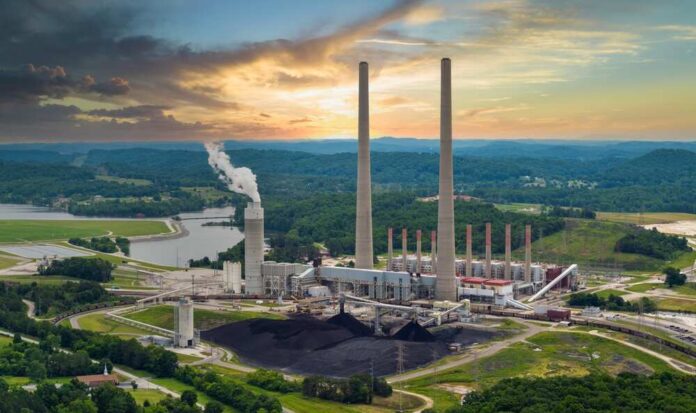
Savannah River Site officials declared a Site Area Emergency after a laboratory fire on Wednesday evening. The designation focuses resources and tightens control when an incident could pose a hazard. Crews contained the blaze, restricted access, and limited activity around the federal complex near the South Carolina–Georgia line. Officials told the public to avoid the area while responders worked. Officials stressed the event was confined to a lab, not the wider site, during the response.
Radiological field teams began surveys while firefighters addressed the scene. The Savannah River Site said no contamination was reported outside the affected facility during the response window. That message matters because people do not fear fire alone at a nuclear site; they fear what fire could carry. The first step is containment. The next step is measurement. The operation did both, then reported the numbers-driven result that the public cares about most.
Radiological Surveys Reported No Detectable Contamination
The site’s follow-up release said radiological surveys “indicated no detectable levels of contamination” after the fire. Leaders ended the Site Area Emergency at 9:45 p.m., reopened barricades, and lifted protective actions. Those steps align with a risk-based playbook: keep tight restrictions while data comes in; relax them when readings show no spread. That closure signal, paired with the specific survey finding, gives the clearest indicator of outcome the public can reasonably expect in the first hours.
The Associated Press reported the same core finding, citing the site statement that it found no detectable contamination. Outside confirmation that repeats the key point reduces confusion and helps calm the rumor mill. More newsrooms repeating the precise language of the data, not speculation, speeds recovery from the adrenaline rush of an emergency alert. The fact pattern here is clean: lab fire, surveys run, no detectable contamination, emergency ended the same night.
Why A “Site Area Emergency” Can End With Good News
A Site Area Emergency sounds dire. It is designed to sound urgent so people act fast. Department of Energy facilities use graded alerts to move people, gear, and information into place when an incident could cause a hazard. Declaring the emergency is not proof of contamination. It triggers the right actions quickly: fight the fire, monitor air and surfaces, and control who goes where. Ending it means the data does not justify keeping those controls in place.
Conservatives often ask for two things in moments like this: competence and clarity. Competence means trained teams, rehearsed plans, and measured decisions. Clarity means plain statements tied to observable facts. The releases checked both boxes by separating the lab from the rest of the site, listing the protective steps, and citing survey results. That aligns with common sense: protect first, test fast, then reopen when readings show it is safe.
What We Know Now, And What Comes Next
Officials said the fire was in a lab, the emergency was declared in the early evening, and responders kept people back until the site cleared surveys. The night ended with no detectable contamination and normal access restored. That is the day-of record. If more details arrive on the specific room, processes, or equipment involved, those are post-incident reporting matters, not the emergency’s outcome. The stated outcome is simple and specific: no detectable spread beyond the affected lab.
Fire at Savannah River National Laboratory: Site Area Emergency Lifted; No Off-Site Contamination Reported, Though "Unfiltered Ground-Level Radiological Release" Did Occur
Event Overview and Official Reports
At 5:39 PM (EDT) on October 28, 2026, a fire broke out in a room at… https://t.co/nq3UfAVjTv
— THE WORLD CORRESPONDENT (@TheWorldCorresp) October 29, 2026
Americans expect energy and national security work to run with zero drama and full accountability. The right balance is firm oversight and fast transparency without theater. The Savannah River Site’s sequence—declare, contain, measure, stand down—fits the emergency rulebook. The releases gave the headline fact that counts: the instruments did not find contamination. That is the piece families downstream need to sleep. And it is the standard officials must keep meeting when alarms ring again.
Sources:
foxnews.com, public.srs.gov, edition.cnn.com, wrdw.com