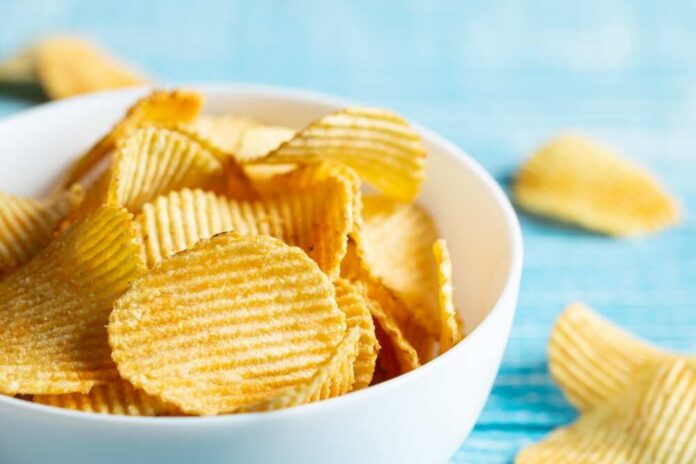
The Food and Drug Administration (FDA) just gave a bag of potato chips the same danger rating it gives to products that can kill you — and no one has gotten sick yet.
Story Snapshot
- The FDA upgraded the Zapp’s and Dirty potato chip recall to Class I, its highest risk level, nearly two months after Utz Quality Foods first pulled the products in May 2026.
- More than 600,000 bags were recalled across 10 specific product varieties sold nationwide.
- The recall stems from a seasoning ingredient containing dry milk powder that may be contaminated with salmonella — but the seasoning tested negative before it was used.
- No illnesses have been reported in connection with the recalled chips.
What a Class I Recall Actually Means
A Class I recall is the FDA’s most serious action. The agency defines it as a situation where there is a “reasonable probability” that eating or using the product will cause serious harm or death. That is not a warning the FDA hands out lightly.
Research covering food recalls from 2002 to 2023 found that biological contamination — things like salmonella and listeria — drives 96% of all Class I recalls for non-meat food products, with salmonella and listeria together accounting for 40% of all food and beverage recalls in that period.
The FDA has upgraded its recall of hundreds of thousands of bags of "Zapps" and "Dirty" potato chips. The chips have been upgraded to a Class I recall, which means there's a "reasonable" chance that consuming the product could cause illness or death. https://t.co/LrO7aC9pdQ
— ABC15 Arizona (@abc15) July 6, 2026
The Specific Products You Need to Check Right Now
Utz Quality Foods issued the original voluntary recall in May 2026. The FDA then upgraded it to Class I in early July. The affected products include Zapp’s Bayou Blackened Ranch in 1.5 oz, 2.5 oz, and 8 oz bags; Zapp’s Big Cheezy in 2.5 oz and 8 oz bags; Dirty Salt and Vinegar in 2 oz bags; and Dirty Sour Cream and Onion in 2 oz bags.
These products were sold in stores across the entire country. If any of these are in your pantry, do not eat them.
Salmonella is not a minor stomach bug for everyone who encounters it. The FDA’s own guidance explains that it can cause fever, bloody diarrhea, nausea, vomiting, and stomach cramps.
For young children, the elderly, pregnant women, and anyone with a weakened immune system, it can enter the bloodstream and trigger life-threatening infections. That is the profile of harm the Class I label is designed to flag before people get hurt — not after.
Why the FDA Can Act Before Anyone Gets Sick
Some people will read “no illnesses reported” and wonder why the FDA is sounding the loudest alarm it has. That reaction makes sense, but it misreads how the system is supposed to work.
The FDA’s own model press release for salmonella recalls includes the phrase “no illnesses have been reported to date” as a standard line. Precautionary Class I recalls are common and intentional. The goal is to stop harm before it happens, not to document it after the fact.
The contamination trail here starts with a dry milk powder used in the seasoning blend on these chips. That ingredient may have been exposed to salmonella.
Critically, the specific seasoning batches used in production tested negative before use. Utz acted anyway, out of caution, and the FDA later decided the potential risk was serious enough to warrant its top classification.
No supplier name, no specific batch codes, and no positive test results from the dry milk powder itself have been made public — which leaves real questions about the evidence chain, even if the precautionary logic is sound.
Two Months Between Recall and Upgrade Raises Fair Questions
Utz pulled these products in May. The FDA did not upgrade the recall to Class I until nearly two months later. That gap is worth noting. It does not mean the FDA acted wrongly — agencies review evidence and make classifications on their own timelines.
But it does mean that for roughly eight weeks, consumers may have had recalled chips on their shelves without knowing the FDA considered the risk serious enough for its highest alert level. That kind of lag is a recurring pattern in food safety enforcement, and it is a fair thing to watch.
The bottom line is straightforward. Check your pantry for any Zapp’s or Dirty brand chip varieties matching the sizes and flavors listed in the recall. Throw them away or return them to the store where you bought them.
The FDA and Utz both confirm no one has reported getting sick — and the goal of acting now is to keep it that way. A Class I label on a snack food is unusual enough that it deserves to be taken seriously, even when the evidence trail is not yet complete.
Sources:
foxbusiness.com, thehill.com, instagram.com, facebook.com, fda.gov, wausaupilotandreview.com, aarp.org, reddit.com, yahoo.com, marlerclark.com, sciencedirect.com, foodsafety.gov, mergenai.ca