

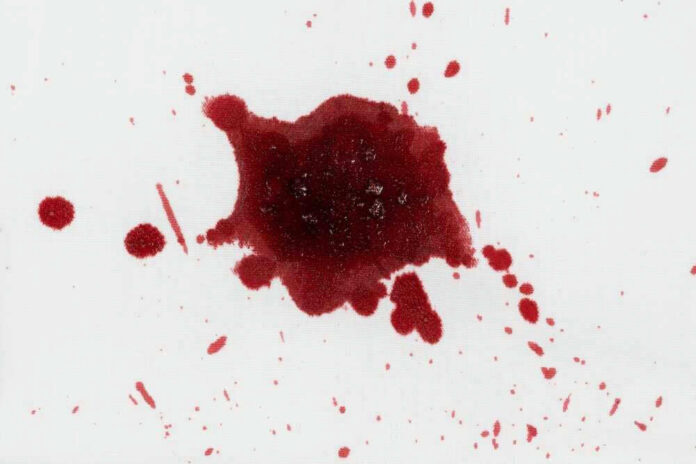
A single blood droplet on a bedroom TV stand, paired with a plastic fork from a lunch table fourteen years later, is now at the center of a capital murder case in Texas.
Story Snapshot
- Arlington Police say FBI genetic genealogy turned a forgotten blood stain into a named suspect.
- Detectives claim DNA from a discarded fork matched the crime scene sample and led to the arrest of Mayra Velasquez.
- The victim, Irasema Chavez, was stabbed nearly 100 times in her apartment in 2012.
- This case is part of a growing wave of cold cases reopened and solved with investigative genetic genealogy.
A brutal murder, a single clue, and years of silence
On a January day in 2012, friends found 32-year-old Irasema Chavez dead in her Arlington, Texas apartment, stabbed close to 100 times. Police described the scene as one of the city’s most brutal homicides.
Detectives collected evidence, including a small droplet of blood on the bedroom television stand that did not belong to the victim. They tested it using the tools available at the time. Nothing matched. The case drifted into cold-case status, haunting family and detectives alike.
For more than a decade, that tiny blood stain sat in storage, logged but unanswered. Traditional DNA databases such as the national law enforcement system had no hit. No fingerprint led anywhere. No quick confession surfaced.
Police said they had video showing someone entering Chavez’s apartment, but without a name, the footage could not carry the case across the finish line. The story looked like many others: a violent death, a devastated family, and a file slowly gathering dust.
How investigative genetic genealogy turned blood into a suspect
In 2024, Arlington’s homicide unit took another look and made a different choice. They partnered with the Federal Bureau of Investigation (FBI) Dallas field office and joined the bureau’s investigative genetic genealogy program.
Investigative genetic genealogy uses the unknown DNA from a crime scene, uploads a profile to certain public genealogy databases, then builds family trees from matches, census records, and other public documents. It does not spit out a single name; it gives detectives a map of relatives and likely branches.
A 14-year-old Texas cold case recently took a dramatic turn after cutting-edge DNA technology led investigators to a murder suspect, according to reports.https://t.co/pcjWz4AB27
— KFDM News (@kfdmnews) July 21, 2026
According to the police chief and FBI officials, genealogical work on the Chavez blood droplet pointed to a Hispanic female relative, then narrowed to a specific family line.
That family tree work eventually led investigators to focus on 42-year-old real estate agent and mother, Mayra Velasquez, who had once been described as Chavez’s friend.
The fork in the trash and the match that changed everything
Detectives then moved from a family tree to a physical sample. Court documents and local reports say undercover officers watched Velasquez eating lunch with friends and collected plastic forks she discarded afterward. Those forks went to the lab.
Analysts said the DNA on one fork matched the unknown blood from Chavez’s apartment. At the press conference, officials framed this as the critical step that turned a suspect profile into a concrete identity.
Police arrested Velasquez in July 2026 and charged her with capital murder. She is being held without bond. Prosecutors highlight three pillars: the crime-scene blood droplet, the investigative genetic genealogy work that led to her family, and the confirmatory fork DNA test, along with statements she made during an interview that detectives say raised more questions.
The bigger trend: DNA, cold cases, and the weight of science
The Chavez case is not a one-off experiment. Across Texas, investigative genetic genealogy has moved from novelty to a regular tool in major crimes. Dallas prosecutors used similar forensic genetic genealogy evidence and trash DNA from a beer bottle to secure a life-without-parole sentence in a 1989 murder.
Arlington and the FBI used investigative genetic genealogy to identify the killer in a 1985 homicide, after almost forty years. Grand Prairie detectives leaned on gene-based leads to arrest a suspect in a 16-year-old stabbing.
These outcomes shape public opinion. Voters see cold cases solved, juries hear confident lab testimony, and phrases like “DNA don’t lie” stick. That cultural trust in forensic science lines up with backing the police, punishing evil, and standing with victims.
Justice, caution, and what comes next
In the Chavez case, reporters note that the full lab records, affidavits, and allele data are not yet public. That is normal pretrial, but it means outside experts cannot test every detail. There is no public evidence so far that directly challenges the match or the genealogy process.
The main counterweight today is the presumption of innocence and the need for open, careful review once the case moves into court. This case suggests respect police work, but insists the state proves its case step by step.
For now, one fact is clear: a murder that looked untouchable for fourteen years is back in a courtroom’s reach because of a blood droplet, a genealogy search, and a fork in the trash.
For families watching their own cold cases stall, that mix of science and stubborn police work may feel like the first real hope they have seen in years.
Sources:
abcnews.com, cnn.com, nbcdfw.com, fox4news.com, arlingtontx.gov, bodetech.com, wilcotx.gov