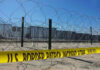


Police say packaged kratom turned up at both scenes where two University of Mississippi students were found dead.
Story Snapshot
- Investigators recovered packaged kratom at both locations tied to the deaths.
- Officials are treating them as two separate death investigations with no confirmed link.
- Authorities have not confirmed kratom or any other substance as a factor in either case.
- One student was found on campus and another off campus in a residence, according to local reports.
What Investigators Confirmed So Far
Lafayette County Metro Narcotics said officers found packaged kratom, sold from a retail store, during both death investigations. The agency stressed that the cases remain separate and under active review. It also said evidence does not confirm that the two deaths are connected.
The University of Mississippi confirmed two student deaths and deferred medical findings to the coroner. Local outlets reported the students were 18 and 20 years old, with one found on campus and the other off campus in a residence.
Authorities drew a clear line between what was found and what is known. They said they do not yet have confirmed information that kratom, or any other substance, contributed to either death.
Reporters across several outlets cited the same law enforcement statement on the kratom detail, which adds weight to the basic facts. That consistency matters when a single detail can drive rumor and fear far faster than a full forensic review can close the loop.
Why “Found At The Scene” Does Not Equal “Cause Of Death”
Scene evidence can guide an investigation, but it does not settle cause. Packaged kratom near a decedent does not prove ingestion, dose, or timing. That is why coroners rely on autopsy and toxicology.
Public health data shows kratom appears in a tiny share of overdose deaths compared with opioids. A Centers for Disease Control and Prevention review covering 27 states found kratom in only 0.56 percent of overdose deaths, and most of those involved other drugs as well.
Medical examiners have, at times, ruled kratom a cause or a contributing factor when it shows up with other substances, especially fentanyl. But federal researchers and peer-reviewed work also note that a clear lethal dose for kratom’s main alkaloids has not been set in humans.
That gray zone is exactly why officials avoid jumping to cause before the lab work is complete. One brief caveat applies here: an investigation can take weeks before a coroner rules on cause and manner of death.
How To Read The Law Enforcement Caution
The narcotics unit’s language fits standard practice. It states the concrete facts: two separate cases, two student decedents, and packaged kratom recovered at both scenes. It avoids leapfrogging evidence on cause.
That restraint serves public safety and common sense. If toxicology later points to another driver, a hasty claim could mislead families and the community.
Police investigating deaths of two Ole Miss students | Packaged kratom found at both scenes | LINK IN BIO pic.twitter.com/gGKVvkDXzL
— KOAT.com (@koat7news) September 23, 2026
Media interest spikes when a familiar product shows up in a death scene. Kratom has that effect. It is legal in many places, sold at gas stations and smoke shops, and marketed as herbal. That mix creates a high-salience story.
But a steady reading of the data keeps the frame honest. The Centers for Disease Control and Prevention data set, poison control reports, and state-level reviews all show kratom-related deaths exist, yet they are rare and often involve multiple substances.
What Comes Next And What To Watch
The coroner’s autopsies and full toxicology panels will matter most. Look for whether mitragynine or 7-hydroxymitragynine appear in blood and at what levels. Watch for co-ingestants such as fentanyl, benzodiazepines, alcohol, or antidepressants. Those patterns have explained many past cases.
Also watch for paper trails. Purchase records, phone messages, and witness accounts can show when and how a product was used. If officials release an evidence log describing the packaged kratom, that could clarify where it came from and whether it was altered.
Parents and students can act now without panic. Avoid mixing substances, especially with opioids or alcohol. Do not trust unlabeled powders or capsules. If you or a friend feels sedated, dizzy, or short of breath, call 911 fast.
For the Oxford community, patience is not apathy. It is how you let the lab work do its job. When the coroner announces cause and manner of death, the public will have a firm basis for judgment. Until then, stick to what is known and sourced.
Sources:
nypost.com, rmb.reuters.com, actionnews5.com, wbrz.com, wreg.com, tmz.com