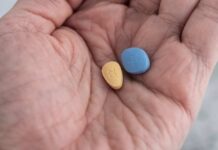


Penn researchers are testing whether GLP-1 drugs can quiet the brain’s urge to splurge, bet, and chase fast rewards.
Story Snapshot
- Wharton–Penn launched a first-of-its-kind study on GLP-1 drugs and risky money choices.
- The project measures gambling and impulsive shopping responses in brain and behavior tasks.
- The lead investigator says GLP-1s may reshape reward circuits tied to financial decisions.
- Anecdotal reports claim less gambling and shopping interest among some GLP-1 users.
Penn puts the “reward system” hypothesis to a real-world test
The Wharton School and the University of Pennsylvania began a study to see if GLP-1 drugs change how people make money choices. The team planned to enroll about 180 adults and run tests in Penn’s MindCORE lab from mid-October 2026 into early 2027. Participants would view cues tied to gambling or shopping, perform financial decision tasks, and undergo brain scans. The goal is simple: measure whether the medicine shifts impulse toward immediate rewards like bets or luxury buys.
Michael Platt, a neuroscientist at Wharton, outlined a bold prediction. He expects GLP-1 medications to nudge the brain’s reward circuits and, over time, even remodel them. He argues that this may not only affect what and how much we eat but also how we value money, risk, and delayed gains. That bridge from appetite to assets underpins the study’s design, which tracks both choices and brain responses to tempting financial cues.
What the lab will watch: choices, cravings, and cash trade-offs
The protocol aims to capture changes you can count. Tasks ask participants to pick between smaller-sooner cash and larger-later cash, to price risky gambles, and to respond to casino and jackpot images. The design checks whether GLP-1 exposure lines up with fewer snap buys and smaller gambling appetites. Imaging adds a second lens: it looks for reduced “wanting” signals in reward areas when money temptations flash on the screen.
The core idea follows a clear chain. GLP-1 receptors sit in brain regions that weigh reward and risk. In animal and early human work, GLP-1 agents can blunt reward seeking for food and some drugs. Translating that logic, the Penn team asks whether the same brake pedal can slow hot-money behaviors like slots, sportsbook wagers, and late-night carts full of “buy now” items.
Anecdotes lit the fuse, but the study must carry the weight
Real people’s stories spurred this test. Some users say they lost interest in drinking, smoking, gambling, and even online shopping after starting GLP-1 therapy. Others mention fewer nail-biting and other habits that feed on quick hits of dopamine. These reports are not proof, but they show a pattern that matches the proposed biology and justify a careful, controlled look at money choices in the lab.
Coverage of the Penn project highlights how targeted the measures will be. Researchers plan repeated visits and structured tasks that can detect smaller shifts, not just dramatic changes. They will watch both behavior and brain response to financial temptations. If the two move together, that would strengthen the case for a true mechanism, not only a mood lift or weight-loss side effect explaining calmer spending.
What matters to families and wallets right now
Gambling and compulsive buying can wreck a budget and strain a marriage. If a safe, common medicine can dull the “act now” signal, even a little, the gains could be large across a year of choices. That said, common sense says do not put all your chips on a pill. Budget rules, spending alerts, self-exclusion tools, and therapy still anchor recovery. Any drug should add to that toolbox, not replace it.
Framing compulsive shopping as a GLP-1 problem worries me. Those drugs blunt reward signals broadly, so less spending may just mean less wanting anything, not better self-control. Where do you draw the line between treating addiction and dulling normal desire?
— Sophie ⭐ ⭐ (@ootani_fx_c) October 9, 2026
Two practical questions sit at the center. First, does the effect work where it counts—on actual bets, credit-card swipes, and online orders? Second, does it last after you stop the drug? The Penn team’s focus on immediate-versus-delayed rewards is a fair start. Strong next steps would link lab shifts to bank, casino, and shopping records over time, with consent and privacy protections in place.
The bottom line: a promising path, with proof still to earn
Wharton–Penn built a careful, first-pass test of a simple claim: GLP-1 drugs might calm the brain’s pull toward risky money moves. The study will probe choices and brain signals linked to gambling and spending, guided by a clear biological story and real-world stakes. Early reports from users add smoke, but only robust data can show fire. Results had not been reported at the time of coverage; conclusions await completed analysis.
Sources:
cbsnews.com, oglobo.globo.com, casino.org, health.harvard.edu