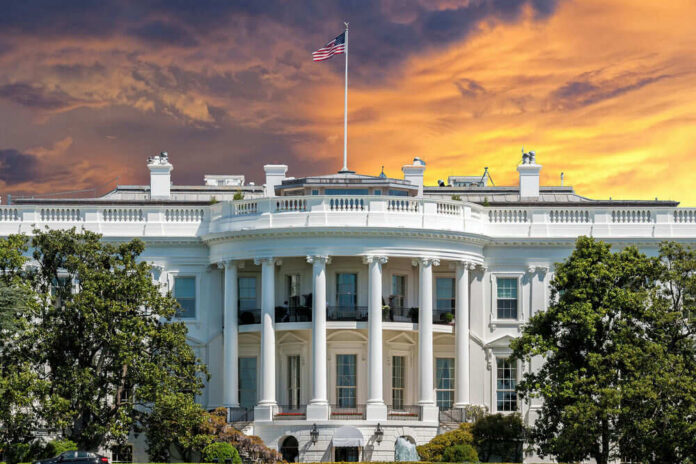
Secret Service officers say a man parked near the White House with three guns told them he came to assassinate President Trump.
Story Snapshot
- Secret Service officers arrested a man near the White House after finding three guns in his vehicle.
- The man allegedly said voices told him to come to Washington to kill the president.
- DHS-linked reporting lists weapons and a stack of gun and vehicle charges.
- Officials named the suspect as a Venezuelan national, making court verification straightforward.
What Officers Found And Why It Mattered Fast
U.S. Secret Service officers reported stopping a vehicle near the White House and finding three firearms inside: an AR-15-style rifle, two handguns, and ammunition. The driver, identified by CBS News as Ronny Yordrix Guanipa Chrinos of Venezuela, was arrested at the scene. The report states the suspect told officers he had heard voices that led him to Washington to assassinate the president. Agents and nearby units secured the area while investigators documented the weapons and the car.
BREAKING: DHS confirms to @FoxNews that a suspect arrested by US Secret Service last night in a stolen vehicle near the White House with a rifle, two handguns, and ammo is a Venezuelan illegal alien who threatened to kill President Trump and was previously caught and released at… pic.twitter.com/g9QTwEbL4C
— Bill Melugin (@BillMelugin_) November 6, 2026
Officials linked to the Department of Homeland Security described a long list of charges. The list included three counts each for unlawful transport of a firearm, carrying unregistered firearms, and carrying unregistered ammunition, plus charges tied to dangerous weapons, an unlicensed pistol, unauthorized use of a motor vehicle, theft, and receiving stolen property. Those counts track with what police often file when guns, ammo, and a questionable vehicle converge near a protected site. The clear paper trail now moves to court for sorting and proof.
The Alleged Threat In The Open
CBS News reported the suspect said out loud that he came to kill the president, guided by voices. That statement, if confirmed in court, goes beyond a vague rant. It places intent on the record and ties it to physical means. Conservative readers will see the core point: when someone shows up near a protected site with an AR-style rifle, two handguns, and ammo, and then says he means to kill the commander in chief, officers have a duty to act first and debate nuance later. That is common sense and sound protection.
Threat-assessment doctrine exists for this moment. The U.S. Secret Service National Threat Assessment Center, founded in 1998, trains teams to spot, assess, and manage risk before a shot is fired. Its research shows targeted violence is often preventable when people watch for warning signs and move early to disrupt a path to harm. That model favors speed and layered checks over hesitation. The closer a threat gets to a target, the fewer good choices remain.
Why Pre-attack Intervention Is The Point
Federal research on mass attacks in public spaces backs proactive work. Analysts emphasize behavioral threat assessment: gather facts, map behaviors, and intervene before violence becomes likely. Secret Service reporting highlights that early action can break the chain of events that leads to tragedy. These cases also remind the public that arrests often happen without a “movie plot” plan. The tools, the location, and the stated intent cross a line. That is enough to detain, charge, and investigate further under the law.
The official account names a suspect and lists specific items. That traceability matters. It anchors the story to a defendant, charges, and physical evidence that a court can weigh. The CBS coverage also flags a detail that will likely shape the legal path ahead: the “voices” claim. Prosecutors focus on what the man did and said. Defense counsel may focus on competency, mental health, and capacity. Both lanes can run at once. One asks, was a crime committed? The other asks, can the defendant stand trial?
How This Fits A Larger Pattern Of Prevention
Security teams work from patterns, not guesses. The National Threat Assessment Center teaches that many offenders show observable warning behaviors before an attack. When the right people see and report them, intervention follows. The Department of Homeland Security and Secret Service studies point to the same lesson: keep a wide funnel for tips, screen threats fast, and push resources to the small number that rise to action level. That discipline keeps protectees safe and keeps the public space open.
This arrest reflects that design. Officers saw a concerning vehicle, found guns and ammo, heard an alleged assassination claim, and moved to control the risk. The system then shifted from the curb to the courthouse. That is how a free society should handle danger near its highest offices. It honors the rule of law, protects the presidency, and gives the accused due process. The facts will harden in filings and hearings. But the first duty, on that street, was clear.