
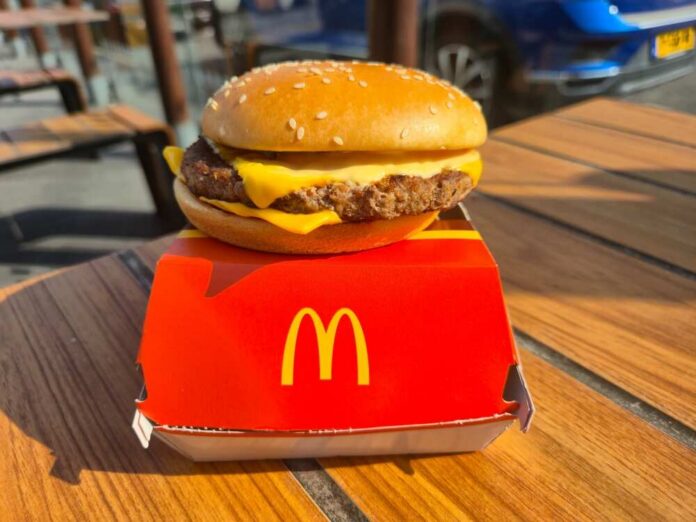
A federal judge said McDonald’s must answer in court for how the McRib is named and shaped, and that alone could reshape how fast food sells its most famous sandwiches.
Story Snapshot
- A judge let core deception and fraud claims over the McRib move forward.
- Plaintiffs say the name and rib-like patty design imply rib meat that is not there.
- Surveys cited in filings show most buyers expected rib meat in the sandwich.
- Five claims were cut, but the main case survived and now heads to discovery.
Judge’s Ruling Puts McRib Marketing On Trial
U.S. District Judge April Perry refused to dismiss the heart of a proposed class action against McDonald’s on October 30, 2026. The ruling held that it is too early to decide that no reasonable consumer would link “McRib” and a rib-shaped patty with rib meat. The court allowed deception, fraud, and unjust-enrichment claims to proceed. The decision keeps the focus on what the name and look of the sandwich communicate at the moment of purchase.
The judge also trimmed the case. Five claims were dismissed without prejudice. The surviving claims center on whether the name “McRib,” the patty’s rack-of-ribs design, and related marketing would lead ordinary customers to expect meat from ribs. The court noted consumers are not required to research the contents of a low-cost meal before they buy it. That framing keeps the “reasonable consumer” test squarely in play.
What Plaintiffs Say The McRib Promises And Delivers
The plaintiffs argue the sandwich’s branding suggests a pricier cut of pork than they got. They point to the rib-like shape, the “McRib” name, and imagery used over time as signals of rib meat. Their complaint claims the patty uses restructured pork from other parts, such as shoulder and organ meats, not meat taken from the ribs. The filing seeks damages and an order to stop what they call misleading naming and marketing if proven at trial.
Two surveys cited in reports on the case have become central to the early narrative. One found 72% of respondents expected rib meat in a McRib. Another found 67% said rib meat was important or very important to their choice to buy. Those numbers, if backed by sound methods, support a price-premium or purchase-decision theory. But key survey details have not been made public yet, which means the weight of that evidence will be tested later.
McDonald’s Response And The Ingredient Dispute
McDonald’s has publicly rejected the claims and said the sandwich uses seasoned boneless pork. The company argues that no reasonable consumer would think the patty contains actual rib meat based only on the name and shape. That pushback frames the fight as a simple matter of ingredient transparency. The court’s ruling does not decide who is right; it ensures both sides now must produce records and testimony to back their positions.
The exact composition of the patty remains a contested point in the reporting. The filings, as described, allege non-rib cuts and some organ meat. McDonald’s denies that list. No court-verified production sheet or lab report appears in the current public record. The case now moves to discovery, where supplier specs, batch records, and testing could resolve that factual clash for the court, not the court of public opinion.
Why This Ruling Matters Beyond One Sandwich
Courts often let food-label cases proceed when names or pictures could plausibly shape what a shopper expects at a glance. Later, the outcomes depend on context, ingredient disclosures, consumer evidence, and damages. Judge Perry followed that road map. She kept the central issue alive: what ordinary people think “McRib” and a rib-shaped patty mean when they order at the counter or in an app. That question usually belongs to a jury, not an early motion.
The plaintiffs still face hard tasks. They must tie any misleading message to real financial harm. That means showing buyers paid more, or bought something they would not have, because they believed the meat came from ribs. They also must show what messages buyers actually saw. That will require old menus, app listings, and ads from the covered time period. If they clear those hurdles, the case could shape how fast-food giants name and style iconic items.
The Conservative Common-Sense Read
Truth in advertising should not be a luxury item. If a brand leans on a name and shape that tell most buyers “this is rib meat,” then it should either deliver rib meat or say what it is in plain view. That is basic fairness in the marketplace. If, on the other hand, consumers treat “McRib” as a fun brand name and know the patty is formed pork, that belongs in evidence. The court’s job is to sort signal from sizzle with facts, not vibes.
Sources:
nbcnews.com, upi.com, moneytalksnews.com, meyka.com, abc12.com, yahoo.com