New Orleans pulled off a mass rescue on the Mississippi, then faced a salvage grind that could take weeks.
At a Glance
- About 100 people were pulled from the river after a tanker hit a docked cruise ship.
- Officials said all passengers and crew were accounted for with no fatalities.
- Coast Guard leaders shifted from rescue to river reopening and salvage coordination.
- Reports varied on total aboard, but rescue actions moved fast and broad.
The Collision That Turned A Dock Into A Rescue Zone
Authorities said the asphalt tanker Atlantic Asphalt struck the docked river cruise ship American Heritage around 12:30 p.m. at 1350 Port of New Orleans Place. The hit rolled the cruise ship onto its side and sent people scrambling. New Orleans Harbor Police reported more than 80 were evacuated before the roll. Officials said about 100 people ended up in the river and were pulled out in a rapid response that stretched across agencies.
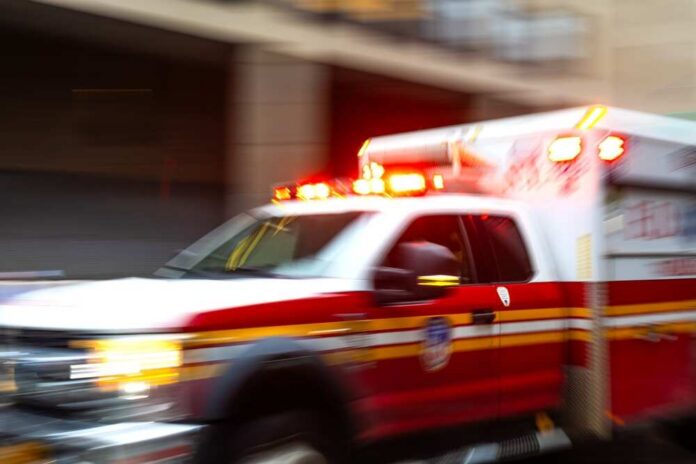
American Cruise Lines confirmed the collision and said it worked with the United States Coast Guard, New Orleans Fire Department, and local emergency agencies on evacuations. The company reported passengers moved to safe areas ashore as crews stabilized the scene. The port’s location, just steps from city streets, let first responders surge in with boats, throw bags, and ladders. River pilots and port units added muscle to get people off the water fast.
Counting Everyone, Then Turning To The Wreck
New Orleans Mayor Helena Moreno said all passengers and crew were accounted for, stressing that responders had “zero people unaccounted for.” That outcome matched the scale of the river rescue estimate and the pre-roll evacuations from the vessel. After the headcount, United States Coast Guard Capt. Melanie Burnham said the mission shifted to reopening the river and planning salvage, a task measured in days and weeks, not hours.
Reports cited different totals on how many were aboard—191, almost 200, and 197—but they all pointed to a mass movement of people from ship to shore and from river to ambulances. That spread in figures is common in big maritime incidents, where crews track several groups at once: those evacuated early, those recovered from the water, those treated and released, and the final “souls on board” confirms. The headline here was speed, not spreadsheets.
Why The Numbers Shift While The Facts Stand
Large rescues often begin with rounded counts. The Coast Guard’s mass-rescue guidance separates water recoveries, dockside offloads, and final manifests for a reason—each number answers a different question. New Orleans officials placed about 100 in the river-rescue bucket and then closed the loop with a full accounting of everyone aboard. That alignment—big rescue, all accounted for—anchors the story, even as tallies tighten later in official reports.
⚠️ OFFICIAL UPDATE: All passengers and crew are accounted for with zero fatalities after the tanker Atlantic Asphalt struck the docked cruise ship American Heritage near the Port of New Orleans.
32 people were hospitalized with non-critical injuries. Search-and-rescue has ended… pic.twitter.com/YXepMIWJ5a
— GeoTechWar (@geotechwar) November 14, 2026
Authorities also addressed what comes next. Salvage crews must right, secure, and remove the stricken cruise ship without risking more damage or spills. River managers must juggle safety and commerce to reopen lanes. Investigators will pull voyage data, interview bridge teams, and study steering, mooring, and current. Press briefings flagged a possible steering loss on the tanker, while noting the final cause will come from the full probe, not a dockside hunch.
What This Says About Readiness And Responsibility
Local responders, Coast Guard units, and port teams showed the core promise citizens expect: when lives are on the line, government and industry work fast and shoulder to shoulder. That is the kind of competence worth funding and defending. The next duty is straight accountability. Formal reports from the United States Coast Guard and, if applicable, the National Transportation Safety Board should explain what failed, what worked, and what must change to keep people safe while keeping the river open.