
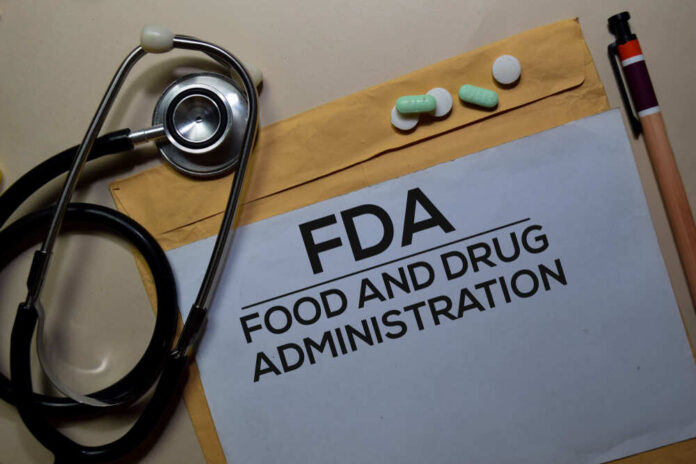
The Food and Drug Administration ordered every GLP-1 drug to add a warning about a rare eye condition that can cause sudden, lasting vision loss.
Story Snapshot
- FDA mandated classwide warning for GLP-1 drugs about a rare optic-nerve event
- Signal shows a potential increase in non-arteritic anterior ischemic optic neuropathy (NAION)
- Meta-analysis found 6.4 versus 3.8 cases per 100,000 person-years for GLP-1 vs. comparators
- Doctors must tell patients to report sudden, painless one-eye vision changes at once
What The FDA Did And Why It Matters
The Food and Drug Administration required all makers of glucagon-like peptide-1 receptor agonists to add a new warning. The label must flag a potential increased risk of a rare eye condition called non-arteritic anterior ischemic optic neuropathy. This condition can cause sudden, painless vision loss in one eye. The order covers the entire drug class used for diabetes and weight loss. The agency framed this as a safety signal, not a claim that most users face vision loss.
The Food and Drug Administration said clinicians should warn patients now. Patients should seek urgent eye care if they notice a dim spot, a shadow, or a sudden drop in one eye’s vision. Doctors should refer anyone with these symptoms for an eye exam right away. The label update puts clear steps in one place. That helps patients act fast and gives doctors a shared standard to follow across all brands.
What The Data Actually Shows
The agency reviewed data across 126 randomized trials. Reviewers counted 15 probable cases of the eye event. Ten occurred in people on GLP-1 drugs, and five in people on placebo or other drugs. That worked out to 6.4 cases per 100,000 person-years with GLP-1 drugs versus 3.8 without them. The numbers are small, but they form a consistent signal in a rare outcome. That is enough to warrant a warning while research continues.
European regulators reached a similar view on semaglutide, the active drug in some popular brands. Their safety group said the rare eye event should be listed as a “very rare” side effect for semaglutide. They cited several large studies that suggested about a two-fold risk increase in adults with type 2 diabetes taking semaglutide. That move lines up with the Food and Drug Administration’s caution on the broader class.
Who Should Pay The Closest Attention
People with diabetes, obesity, sleep apnea, or high blood pressure already face higher odds for blood-flow problems. The new label alerts them to an added, rare risk while on GLP-1 therapy. The warning is not a stop sign; it is a flashing yellow. Patients who gain strong benefits on blood sugar, weight, and heart risk can still stay on therapy. They should just know the red-flag symptoms and have a plan to get rapid eye care if needed.
Doctors should build a simple script into visits. Explain that this eye problem is rare but urgent. Teach the three signs: sudden blur in one eye, missing side vision, or a dark curtain. Tell patients to call right away if these hit. Set up a fast-track referral to an eye specialist. Put that note in the chart and the after-visit summary. That small step protects sight without scaring people off helpful treatment.
What Comes Next And How To Think About It
Drug safety often moves in two steps. First, a signal shows up. Next, better studies test the signal. Here, the Food and Drug Administration acted on a rare-event signal that leans strongest for semaglutide but now appears on all GLP-1 labels. That keeps the public informed while scientists sort out which drug, dose, or patient group drives the risk and by how much. The Food and Drug Administration states the risk as “potential” and “rare,” which fits the current evidence.
FDA Adds NAION Risk Warning to GLP-1 Labeling
All drugs in the class were implicated. The action follows more than two years of reports on safety concerns with these agents.
Notably, a review of available animal data “did not identify a mechanism for how GLP-1 RA use could… pic.twitter.com/Zjnu0lpeFg
— Review of Optometry (@revoptom) November 10, 2026
Headlines about “sudden blindness” grab clicks, but numbers give calm. The absolute risk is very low. The action plan is simple and fast. Keep the benefits in view: lower blood sugar, weight loss, and better heart health for many users. Keep your eyes open to the warning: sudden, painless one-eye vision change means stop what you are doing and call. That is prudent, balanced, and exactly how safety rules should work.
Sources:
nbcnews.com, fda.gov, usatoday.com, fdaweb.com