American families face soaring plane ticket prices as the Iran war triggers a massive jet fuel surge, hitting wallets just as President Trump stands firm against Tehran.
Story Snapshot
- Jet fuel prices jumped over 50% in a week to $3.88-$3.95 per gallon due to Strait of Hormuz closure and U.S.-Israel actions against Iran.
- United Airlines CEO Scott Kirby warns airfares will rise “probably start quick,” with meaningful impacts on passengers and carriers.
- Over 20,000 Middle East flights canceled, forcing costly reroutes amid 20-30% airline cost exposure to fuel.
- Trump’s demand for Iran’s unconditional surrender escalated oil markets, compounding inflation pressures on everyday Americans.
- Experts predict $3-10 ticket hikes, surcharges on premium and international flights, hurting families and businesses.
War Triggers Fuel Crisis
Joint U.S.-Israel attacks on Iran in late February 2026 ignited the crisis. President Trump demanded Iran’s unconditional surrender, spiking oil prices as the Strait of Hormuz closed. This chokepoint handles 20% of global oil, echoing 2019 tanker attacks but worsened by full-scale war.
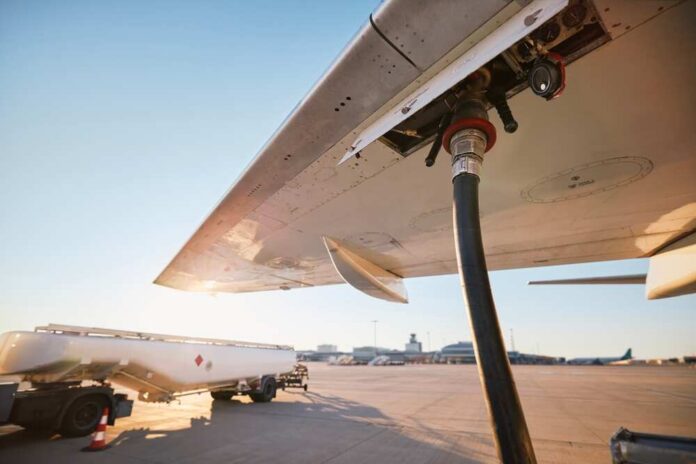
Jet fuel leaped from $2.50 per gallon pre-escalation to $3.88 on March 6 per Argus Index. WTI crude hit $91 per barrel, up 11%, while Brent reached $92.47. These disruptions shattered pre-war oil stability, directly burdening U.S. travelers recovering from pandemic-era strains.
United CEO Sounds Alarm
Scott Kirby, United Airlines CEO, spoke at an industry event on March 5, 2026, predicting quick fare increases. United confirmed to media the surge would deliver “meaningful” quarterly impacts on operations and passengers. Jet fuel comprises 20-30% of airline costs, making carriers vulnerable.
Kirby highlighted rapid passenger wallet hits via CNBC and CBS interviews. Over 20,000 Middle East flights canceled since war began, forcing reroutes and overtime expenses. This mirrors 2022 Ukraine war volatility, where airlines added surcharges and grounded inefficient planes.
Plane ticket prices likely to soar as Iran war brings huge fuel price surge: United CEO says impact will 'probably start quick' https://t.co/LMe1ngfl8r pic.twitter.com/3GkXx6Ej5L
— New York Post (@nypost) March 7, 2026
Passenger Pain Hits Hard
Fares already creep upward, with experts forecasting $3-10 hikes multiple times daily, especially premium cabins and international routes. Henry Harteveldt of Atmosphere Research Group notes airlines test price tolerance, starting with business class before basic economy.
Low-cost carriers like Spirit and Frontier face risks despite models. Families and low-income travelers suffer most, rethinking summer plans amid gas price strains. Commuters voice affordability fears, as disruptions reduce travel access for businesses and holidays.
Alexis Rich Chami of Palomar Travel urges flexible bookings and price monitoring to mitigate. James Noel-Beswick of Sparta Commodities calls global jet pricing “stratospheric” from Hormuz effects. Cornell professor Vidya Mani warns weeks of constraints will inflate supply chains via energy shortages.
Broader Economic Ripples
Short-term effects include surcharges, operational disruptions, and potential grounding of old planes. Long-term risks involve credit rating pressures from rating agencies like Fitch and S&P if fuel stays elevated. Inflation compounds across economy, rippling to manufacturing and goods.
Political ties to U.S. policy under Trump highlight geopolitical costs to civilians. Budget airlines not spared, with premium flights hit first due to demand elasticity. Experts predict sustained highs if war drags, urging vigilance on energy independence to shield Americans from foreign conflicts.
Sources:
Iran war: Experts warn airfares may increase as jet fuel prices surge
United Airlines CEO said U.S. airfares could soon rise as Iran war boosts jet fuel costs
Iran conflict: Higher fuel prices could mean plane ticket, additional fees, expert says
Middle East war could affect global airline ratings if fuel prices remain higher for longer