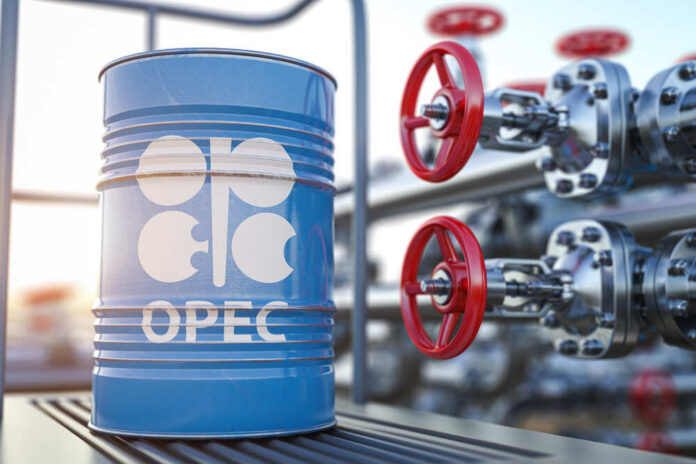
The seventh-largest oil producer just walked away from the world’s most powerful energy cartel, and the fractures could reshape who controls your gas prices for decades to come.
Story Snapshot
- UAE exits OPEC and OPEC+ effective May 1, 2026, ending over five decades of membership in the oil cartel
- The departure frees the Emirates from production quotas, allowing independent output decisions as global energy demand rises
- Saudi Arabia faces increased pressure to stabilize prices alone while the cartel’s collective leverage weakens significantly
- Energy Minister confirms no consultation with Saudi Arabia or other producers before announcing the sovereign decision
- Analysts call the move a win for American interests, potentially moderating prices by undermining OPEC’s pricing power
Breaking Ranks After Six Decades
The United Arab Emirates announced its withdrawal from OPEC and the broader OPEC+ alliance on April 28, 2026, with the exit taking effect May 1. The timing carries weight beyond the calendar. Global energy markets already face volatility from Iran-related supply disruptions and strategic reserve drawdowns.
The UAE chose this exact moment to declare independence from production quotas, calling the decision a careful strategic review grounded in long-term national economic priorities. Energy Minister Suhail al-Mazrouei made clear the country conducted no prior consultation with Saudi Arabia or fellow producers before the announcement.
The Flexibility Gambit
Al-Mazrouei framed the exit as essential for production flexibility, stating that operating outside OPEC allows the UAE to meet future global demand without cartel constraints. The Emirates commits to bringing additional production to market gradually and aligned with demand conditions, positioning itself to capture market share as energy consumption grows.
This strategy directly challenges OPEC’s fundamental premise: collective production management to influence prices. The UAE reaffirmed appreciation for past cooperation while making unmistakably clear that future policy serves national priorities first.
Saudi Arabia Stands Alone With Spare Capacity
The departure hits Saudi Arabia particularly hard because the Kingdom holds the most significant spare production capacity within OPEC, giving it disproportionate influence and responsibility. With the UAE gone, Saudi Arabia faces greater pressure to manage price stability independently while other members lack the production cushion to fill gaps.
The move signals that even traditionally aligned Gulf producers now prioritize national economic interests over cartel discipline. Long-standing tensions between the UAE and Saudi Arabia over production strategy finally erupted into outright organizational divorce, and the Saudis must now shoulder coordination burdens with one fewer reliable partner.
The United Arab Emirates said it was quitting OPEC and OPEC+, dealing a heavy blow to the oil exporting groups and their de facto leader, Saudi Arabia, at a time when the Iran war has caused a historic energy shock and unsettled the global economy https://t.co/WDnS1uI42H pic.twitter.com/7cNqPwihK3
— Reuters (@Reuters) April 28, 2026
American Interests and Market Realities
Analysts characterize the UAE exit as a significant win for American energy policy preferences. President Trump has accused OPEC of inflating prices and ripping off global consumers, making any cartel weakening align with U.S. interests in increased supply and reduced artificial pricing power.
The departure represents a heavy blow to the organization at a critical moment when geopolitical instability already strains global markets.
Questions arise about coordination among remaining OPEC+ producers, which historically relied on production limits to manage supply and influence prices. If other members follow the UAE’s lead, OPEC’s declining influence over global oil markets could accelerate dramatically.
Energy Transition and Investment Strategy
The UAE plans continued investment across the entire energy value chain, including oil, gas, renewables, and low-carbon solutions to support long-term energy system transformation. This diversified approach reflects broader dynamics as producers balance fossil fuel revenues with transition imperatives.
The Emirates emphasizes that stable energy systems require flexible, reliable, and affordable supply, positioning itself as a responsible producer even outside cartel constraints.
Whether this model proves successful could determine if other members reassess their organizational commitments, potentially fragmenting OPEC further and permanently altering global energy politics for consumers and investors worldwide.
The UAE’s confidence that markets can absorb independent production increases without significant disruption suggests officials believe current supply conditions support their gambit. The country’s security concerns about insufficient Arab state protection against Iranian attacks during ongoing regional conflict may have accelerated the decision.
Regardless of motivation, the exit challenges decades of organizational cohesion and removes a coordinating member from OPEC’s quota system at precisely the moment collective discipline matters most for price management and market stability.
Sources:
UAE announces decision to exit OPEC, OPEC+ – Gulf News
UAE says to leave OPEC effective May 1 – Fox Business