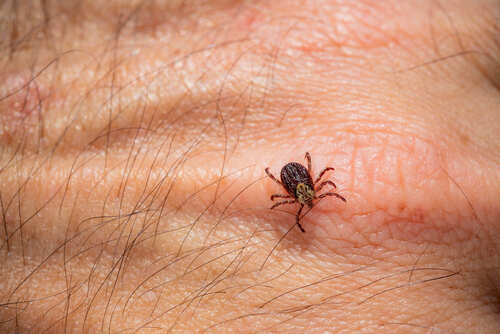
A healthy 47-year-old New Jersey man has become the first confirmed fatality from alpha-gal syndrome, the tick-borne “meat allergy” that threatens outdoor enthusiasts and hunters across America’s heartland.
Story Highlights
- First confirmed death from tick-spread alpha-gal syndrome documented by University of Virginia researchers.
- A 47-year-old New Jersey man died after eating beef, with a fatal reaction triggered by Lone Star tick larvae bites.
- Growing deer populations increase the risk of tick exposure for campers, hunters, and outdoor families.
- Severe abdominal pain 3-5 hours after eating red meat is now recognized as a potential medical emergency.
Fatal Reaction Claims First Victim
University of Virginia School of Medicine researchers confirmed the first documented death from alpha-gal syndrome in November 2025. The healthy 47-year-old victim died in 2024 after consuming beef, with symptoms beginning four hours post-meal.
Dr. Thomas Platts-Mills, who originally discovered the condition, reviewed blood samples that confirmed the man suffered a severe allergic reaction to alpha-gal, a sugar present in mammalian meats, including beef, pork, and lamb.
A 47-year-old airline pilot from New Jersey is the first person known to have died from alpha-gal syndrome, a red meat allergy caused by a tick bite – NBC reports. pic.twitter.com/fWL8mIRede
— Open Source Intel (@Osint613) November 14, 2025
Camping Trip Leads to Deadly Sensitivity
The victim’s ordeal began during a summer 2024 family camping trip. After eating steak at 10 p.m., he awoke at 2 a.m. experiencing severe abdominal pain, vomiting, and diarrhea, telling his son he felt like he “was going to die.”
Two weeks later, a hamburger at a cookout triggered another reaction. He collapsed at 7:37 p.m., with an autopsy initially ruling the death “sudden and unexplained.” His persistent wife demanded answers, leading to the breakthrough diagnosis.
Lone Star Tick Larvae Behind Fatal Allergy
Although the man reported no recent tick bites, he had experienced 12-13 itchy “chigger” bites on his ankles that summer. Platts-Mills identified these as likely Lone Star tick larvae bites, which trigger the body’s immune system to react against alpha-gal sugar.
The condition particularly affects Americans who rarely consume red meat, as their systems become hypersensitive. Contributing factors included beer consumption, recent exercise, and exposure to ragweed pollen, which amplified the fatal reaction.
Growing Threat to Rural Americans
Expanding deer populations across multiple states increase Lone Star tick exposure for hunters, campers, and rural families. Platts-Mills warns that doctors and patients in tick-prone areas must recognize the risks of alpha-gal sensitization.
Severe abdominal pain occurring 3-5 hours after consuming mammalian meat should trigger immediate medical investigation for possible anaphylaxis. While most people experience manageable hives with dietary changes, this case shows that fatal reactions remain a genuine threat to outdoor-loving Americans.
Medical Alert for Conservative Communities
This groundbreaking case, published in the Journal of Allergy and Clinical Immunology: In Practice, serves as a crucial warning for conservative Americans who value outdoor recreation, hunting, and rural lifestyles.
The alpha-gal syndrome disproportionately affects those in traditional heartland communities where Lone Star ticks thrive. Families engaging in camping, hunting, or farming activities must remain vigilant for persistent, itchy bites and seek medical attention for delayed, severe reactions to red meat.