
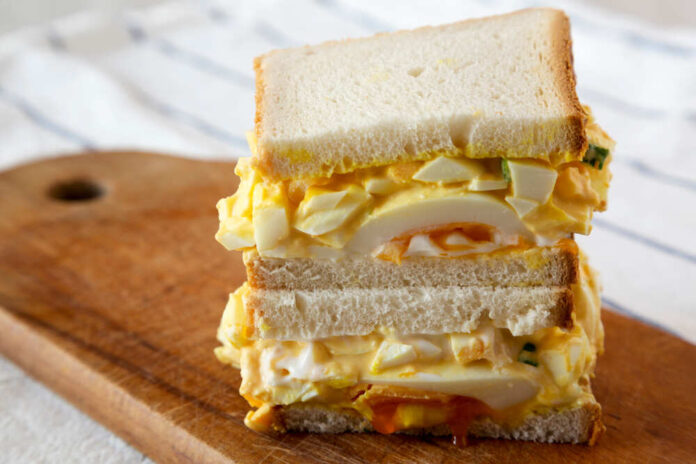
As Americans face $17 egg sandwiches, the real cost of runaway inflation and failed economic policies hits home, leaving families and small business owners to pick up the tab.
Story Snapshot
- Independent restaurants nationwide are charging up to $17 for an egg sandwich due to record-high egg prices and surging food costs.
- Avian flu outbreaks, restrictive regulations, and lingering inflation are slamming supply chains and driving menu prices higher.
- Restaurant owners say they have no choice but to pass costs to customers or risk going out of business.
- Consumers are experiencing sticker shock and adjusting their dining habits, with some restaurants even adding per-egg surcharges.
Egg Prices Soar as Supply Shocks and Government Mandates Collide
Early this year, Americans saw a simple breakfast sandwich skyrocket to as much as $17 at delis and cafes from coast to coast. This isn’t just a story about eggs—it’s the result of cascading inflation, persistent supply chain disruptions, and burdensome regulations that have hammered the restaurant industry.
The latest surge in egg prices began in late 2024, as fresh avian flu outbreaks forced mass culling of egg-laying hens, slashing supply. At the same time, state mandates for cage-free eggs and the aftermath of pandemic-era policy shocks have pushed production costs even higher for producers and, ultimately, consumers.
Restaurant owners say inflation forcing $17 for egg sandwich — here’s the math behind it https://t.co/J2CgFgdP6E pic.twitter.com/jHRrjAiEKL
— New York Post (@nypost) October 19, 2025
Independent restaurateurs, already struggling with higher rents, utilities, and labor shortages, have little room to maneuver. Owners report that wholesale egg prices exceeded $7 per dozen in early 2025—a staggering increase from just a few years prior.
Unlike big corporate chains that can negotiate prices or absorb losses, small business owners are left with two bleak choices: raise menu prices dramatically or risk closure.
Some operators now post signs justifying surcharges, and others are experimenting with egg substitutes or paring down breakfast offerings. These price hikes aren’t about greed—they’re about survival in an environment where cost pressures are relentless and government policy layers on new hurdles at every turn.
Inflation’s Ripple Effects: Who’s Paying the Price?
For families and working Americans, the consequences are clear each time they see $15–$17 for a basic egg sandwich or face per-egg surcharges at their favorite diner.
Such sticker shock is eroding consumer confidence and changing how people spend their hard-earned money. Many are now skipping breakfast outings altogether, while others demand more transparency on pricing.
Economists and industry analysts note that eggs, once a reliably affordable staple, have become a symbol of broader inflationary pain. The rising costs don’t end at the breakfast table—they threaten jobs, squeeze small businesses, and limit access to affordable meals for everyday Americans.
Restaurant chains and independent operators alike cite a perfect storm of factors: supply shocks from disease, surging demand for breakfast dining, and regulatory burdens that further strain supply and raise costs.
Meanwhile, producers like Cal-Maine Foods must recover from repeated avian flu outbreaks and comply with new animal welfare standards. In this climate, even the most dedicated restaurateurs are forced to rethink their business models, with some considering consolidation or menu innovation just to stay afloat.
The ripple effect reaches into every corner of the food and hospitality sector, threatening the survival of local businesses and the livelihoods of their employees.
Can the Industry and Consumers Endure More Policy-Driven Pain?
Short-term impacts are already being felt: reduced profitability for restaurants, possible closures, and shifting consumer habits.
In the longer term, the industry may see more menu innovation or consolidation, but the fundamental problem remains—when government mandates, supply shocks, and inflation collide, it’s everyday Americans who pay the price.
While some argue that price hikes are justified by real cost pressures, others question whether all increases are necessary. What’s clear is that the restaurant industry’s resilience is being tested by a policy environment that too often punishes enterprise and rewards bureaucracy.
The American tradition of affordable, family-friendly dining is under threat as government overreach, inflation, and supply chain fragility converge. Unless policymakers reverse course and prioritize practical solutions over red tape, more families will be priced out of simple pleasures like breakfast at the corner café.
The egg sandwich, once a symbol of comfort and value, now serves as a wake-up call to the real-world costs of failed leadership and unchecked spending. Americans deserve better than a $17 breakfast—and the fight for economic sanity is just beginning.
Sources:
Restaurant owners say inflation forcing $17 for egg sandwich — here’s the math behind it
Is US breakfast boom contributing to high egg prices?
Nobody’s spending $17 on an egg sandwich
No one wants to pay $25 for breakfast: US restaurants are cracking under inflation
How restaurants are dealing with rising egg prices