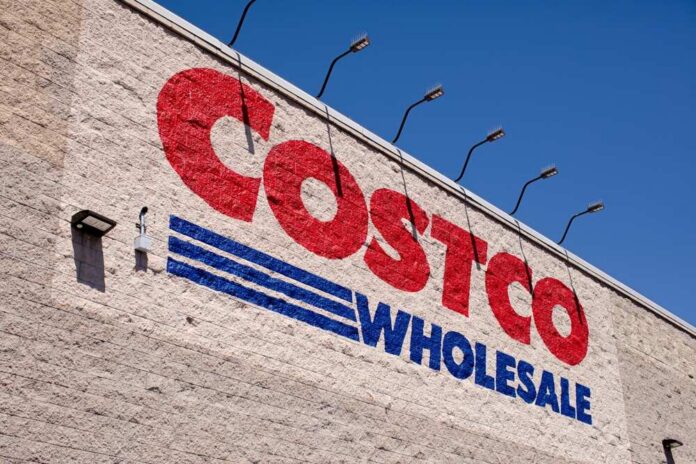
A simple packaging mix-up at Costco turned a popular bakery treat into a serious risk for Americans with life-threatening nut allergies.
Quick Take
- Costco recalled “Mini Beignets filled with Caramel” after some packages were mistakenly filled with chocolate hazelnut beignets, creating an undeclared tree-nut hazard.
- The affected items were sold from January 16–30, 2026, across 22 states, and Costco is urging customers with hazelnut/filbert allergies not to eat them.
- Costco says customers can return the product for a full refund; reports cited no illnesses at the time of publication.
- The incident adds to broader scrutiny of food-labeling trust, with a separate lawsuit over a “no preservatives” rotisserie chicken also drawing attention.
What Costco Recalled and Why the Label Matters
Costco’s recall centers on “Mini Beignets filled with Caramel” after some units were inadvertently packaged with “Mini Beignets filled with Chocolate Hazelnut.”
That swap matters because hazelnuts (filberts) are a tree nut allergen that must be disclosed on labels. The practical danger is straightforward: a consumer relying on a caramel label could unknowingly ingest hazelnut ingredients, triggering a severe allergic reaction in minutes.
Costco’s notice instructs shoppers with hazelnut/filbert allergies not to consume the product and to return it for a full refund. The company’s guidance is typical for undeclared allergen events, where the core problem is not “food quality” but “consumer certainty.”
For families managing allergies, labels are not marketing copy; they are safety information that determines what can safely be served at home.
Costco issued a recall notice for mislabeled bakery items that could cause allergic reactions in customers. https://t.co/J7mGfa1vAO pic.twitter.com/Otf6KrDd6f
— FOX 2 Detroit (@FOX2News) February 1, 2026
Where the Beignets Were Sold and the Known Timeline
Reports say the affected products were sold between January 16 and January 30, 2026, in Alabama, Arizona, California, Colorado, Florida, Georgia, Hawaii, Idaho, Illinois, Iowa, Louisiana, Michigan, Missouri, Nevada, New Jersey, New York, Ohio, Oregon, Pennsylvania, Tennessee, Virginia, and Washington. The recall notice was publicized in early February, with reporting pointing to February 1 as the date it was widely circulated.
The limited window and defined list of states suggest a specific batch or distribution run, not a nationwide, open-ended issue. Still, conservatives who value personal responsibility also expect basic competence from large corporations—mainly when a customer’s health depends on accurate information.
The available reporting also stated there were no illness reports mentioned at the time, which likely reflects customers catching the alert early or not having consumed the affected units.
What This Says About Consumer Trust and Corporate Transparency
Undeclared allergens are one of the most common triggers for food recalls because federal labeling rules treat them as high-stakes safety disclosures, not optional details.
The reason is obvious to any parent or grandparent who has navigated food restrictions: a single undisclosed ingredient can change a routine snack into an emergency. That reality is why Americans get frustrated when institutions—government or corporate—act as if accuracy is negotiable.
Costco’s recall also landed amid separate public scrutiny over a class-action lawsuit tied to Kirkland Signature Rotisserie Chicken labeling. That case, filed in late January 2026 in federal court in California, alleges that consumers were misled by “no preservatives” claims, even though the listed ingredients included sodium phosphate and carrageenan.
An attorney quoted in coverage argued consumers reasonably rely on explicit, prominent claims when deciding what to feed their families—an argument that resonates even more when allergens are involved.
What Shoppers Should Do Next
Consumers who purchased the mini beignets in the affected time frame—especially households with known tree-nut allergies—should treat the recall as urgent and practical.
The simplest step is to stop using the product and return it to Costco for a refund, as instructed. Shoppers who share kitchens with allergy-sensitive family members should also consider cross-contact: store the item away from other foods until it is returned to reduce accidental exposure.
Costco issues recall notice for bakery item due to undeclared allergen https://t.co/lZpEUwj9iI
— FOX Business (@FoxBusiness) February 1, 2026
The larger takeaway is that accurate labeling is not a political talking point; it is a real-world safeguard that keeps families out of the ER. The reporting available so far does not show conflicting accounts about what happened—only that the problem stemmed from mispackaging and was caught after distribution.
If more details emerge about how the error occurred or how Costco is tightening controls, that will be the real measure of accountability customers should demand.
Sources:
Costco issues recall notice for bakery item due to undeclared allergen
Costco issues recall notice for bakery item due to undeclared allergen