
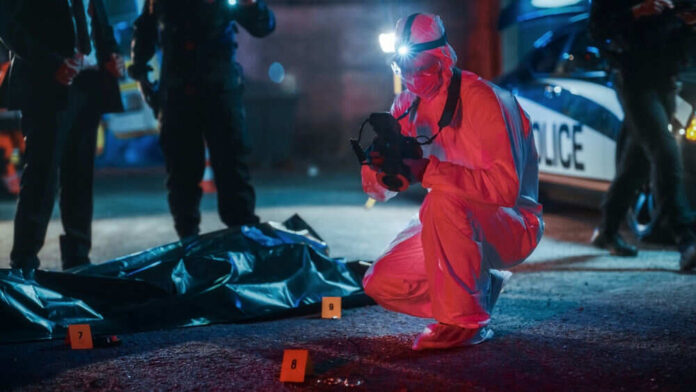
Five bodies found in Houston bayous over five days have ignited serial killer fears, but city officials flatly deny any evidence—exposing a clash between viral rumors and hard facts that calls the integrity of public safety messaging into question.
Story Snapshot
- Authorities reject serial killer claims, citing lack of forensic evidence linking the deaths.
- Social media speculation, fueled by historical precedent, drives public anxiety and mistrust.
- Ongoing investigations and autopsies have found no signs of foul play in most cases.
- Houston’s leadership faces pressure to counter rumors and maintain public order.
Rapid Succession of Bayou Deaths Sparks Public Alarm
Between September 15 and 20, 2025, five bodies were discovered in various Houston bayous, including Brays Bayou, Hunting Bayou, White Oak Bayou, and Buffalo Bayou. The first victim, Jade “Sage” McKissic, a University of Houston student, was found with no signs of foul play and pending autopsy results. The rapid clustering of these discoveries in a major metro area caused immediate alarm and speculation, especially given Houston’s dark history of serial crime and the prevalence of true crime narratives in local culture.
Social media platforms quickly lit up with posts and theories suggesting the presence of a serial killer, drawing comparisons to infamous cases like Dean Corll from the 1970s. Online rumors intensified public fear, even as local news outlets and officials repeatedly emphasized that there was no evidence linking the deaths. The viral nature of these speculations highlights the growing influence of online commentary in shaping public perception, especially when high-profile tragedies occur in rapid succession.
City Officials and Law Enforcement Respond With Firm Denials
Houston Mayor John Whitmire and Police Chief J. Noe Diaz have addressed the situation directly, issuing strong statements to refute the serial killer rumors. Mayor Whitmire assured the public, “We do not have any evidence that there is a serial killer loose in Houston, Texas. If there was, you’d hear it from me first.” Police Chief Diaz described the rumors as frustrating, noting that they “stir fear and anxiety in the community.” The Medical Examiner’s Office continues to process autopsies, and so far, official updates indicate no signs of homicide in the majority of cases. These denials are supported by all major local news outlets and forensic experts.
Despite these repeated statements, many residents—especially those living near the bayous—remain unconvinced, echoing frustrations common among conservative audiences who feel government messaging often fails to address community concerns transparently. The situation underscores a broader tension: when official narratives conflict with public sentiment, trust in government and law enforcement can erode, especially in environments saturated by viral misinformation.
Historical Precedent Fuels Speculation and Distrust
Houston’s history of notorious serial killers, particularly Dean Corll (“The Candy Man”), has left a lasting mark on the city’s collective memory. This legacy contributes to the public’s readiness to believe the worst when clusters of unexplained deaths occur. Over the past year, at least 12 bodies have been recovered from Houston bayous, but most were determined to result from accidents or natural causes. Experts remind the public that bayous are dangerous environments, and unrelated drownings and accidents are not uncommon. Dr. Krista Gehring, a criminology professor, stated, “Unless you have stab wounds, gunshots, strangulation marks—clear signs of homicide—it’s not a serial killer. People slip, people fall, people drown. That’s reality.”
Still, the persistent distrust of official statements is amplified by the city’s past and the current climate of skepticism toward government transparency. Residents and local commentators demand more frequent updates, detailed autopsy results, and visible police presence—pressuring authorities to adopt new communication strategies and potentially review missing persons protocols. Such demands reflect a wider conservative concern: that government must be held accountable and must not obscure facts, especially when public safety is at stake.
Social Media’s Role and the Challenge of Misinformation
Social media has played a critical role in magnifying fears and spreading speculation about the Houston bayou deaths. While platforms offer valuable tools for community engagement and information sharing, they can also accelerate the spread of unverified rumors, undermining official messaging and increasing anxiety. City officials face challenges in countering this wave of misinformation, as viral posts often outpace fact-based updates. Law enforcement and public safety agencies may need to revise protocols for crisis communication, balancing transparency with the need to prevent panic.
The broader impact extends beyond Houston, serving as a case study in how unchecked online commentary can disrupt public order and complicate investigations. Conservative observers point to this episode as a warning: when government credibility falters and social media fills the vacuum with speculation, communities become more vulnerable to fear, distrust, and even policy overreach. Ensuring accurate, timely information and defending constitutional protections—such as due process and transparency—remain central to maintaining public trust.
Sources:
Houston Police Department to address trend of bodies found in area bayous
Houston Mayor dismisses rumors of serial killer after 5 bodies recovered
Houston Mayor John Whitmire addresses serial killer rumors after bodies found in bayous
Five Houston bayou deaths in week spark serial killer concerns