

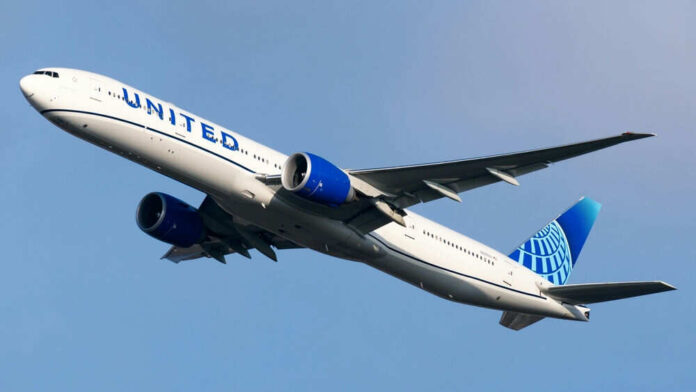
Systemic IT failures left thousands stranded as United Airlines grounded all flights across the US and Canada for the second time in two months, exposing persistent vulnerabilities in America’s critical infrastructure.
Story Snapshot
- United Airlines grounded all flights in the US and Canada late September 23 due to a connectivity issue, marking the second such event in two months.
- Operations resumed within 30 minutes, but over 200 flights faced delays or cancellations, causing major inconvenience for travelers.
- Experts and regulators warn these repeated disruptions highlight a dangerous reliance on fragile IT systems within the airline industry.
- Calls grow for stronger oversight and investment in operational resilience, with concerns about consumer safety and economic fallout.
United Airlines’ Second Major Ground Stop in Two Months Raises Alarms
United Airlines abruptly requested the Federal Aviation Administration (FAA) to halt all departing flights from the United States and Canada following a sudden connectivity failure within its own systems. This event marks the second grounding in as many months, the previous incident occurring in early August.
Operations resumed within half an hour, but the disruption caused the cancellation of 14 flights and delayed 189 others by Wednesday afternoon, stranding thousands of passengers and reigniting concerns about the robustness of airline technology and communication infrastructure.
United briefly grounds all US, Canada flights for second time in 2 months https://t.co/WKMM85Nvmz
— FOX Business (@FoxBusiness) September 24, 2025
While United Airlines assured the public of a quick return to normal operations, the frequency and scale of these ground stops have intensified scrutiny from both regulators and industry analysts. The FAA, acting on United’s request, implemented the ground stop just before 1 a.m. Eastern, lifting it at 1:33 a.m.
Although the incident was resolved swiftly, the lack of detailed explanation from United and the FAA has frustrated consumers, many of whom expect full transparency after repeated system failures that disrupt travel plans and erode trust in the industry’s reliability.
Technological Disruptions Undermine Public Confidence in Air Travel
Modern aviation depends on vast, interconnected IT systems for everything from scheduling to safety compliance. As these systems grow more complex, they become single points of failure with the potential for cascading disruptions across entire fleets.
United’s back-to-back ground stops—in August and September—mirror earlier setbacks at Alaska Airlines in 2024, further fueling calls for rigorous investment in backup systems and cybersecurity.
Aviation safety experts and IT professionals warn that the industry’s increasing reliance on legacy technology and insufficient crisis management protocols threaten not only operational continuity but also passenger welfare and economic stability.
Industry analysts argue that rapid incident resolution, as seen in United’s September ground stop, does not compensate for underlying systemic weaknesses. The recurrence of such events points to a broader problem: airlines may be ill-prepared to prevent or respond to future failures, risking larger-scale disruptions or even security breaches.
Calls for regulatory mandates—including minimum IT resilience standards and greater transparency in incident reporting—have grown louder, with many conservative Americans demanding accountability and robust protections for travelers and workers alike.
Regulatory Pressure and Economic Fallout for Airlines and Consumers
Repeated IT-related ground stops have prompted renewed attention from federal agencies, including the Department of Transportation (DOT), led by Secretary Sean Duffy. The DOT has emphasized that recent incidents were internal airline failures, not air traffic control problems, but the economic and social impacts remain significant.
Delays and cancellations disrupt travel plans for thousands, costing airlines revenue and triggering compensation claims. For passengers, the inconvenience and uncertainty erode confidence in air travel, while airport operations and competing carriers face collateral schedule instability.
United briefly grounds all US, Canada flights for second time in 2 monthshttps://t.co/am40BrktHh
— BREAKING NEWZ Alert (@MustReadNewz) September 24, 2025
Political pressure is mounting for both stronger industry oversight and improvements in operational reliability. Conservative commentators highlight the risks of government overreach and urge a balance between regulatory intervention and private sector accountability.
Ultimately, ensuring operational resilience in aviation is viewed as a matter of national security and consumer protection—core conservative priorities in the Trump era.
As investigations continue, the demand for answers and meaningful reforms only intensifies, with the hope that repeated disruptions will catalyze lasting improvements across the airline industry.
Sources:
United Airlines says ground stop was due to ‘connectivity …
United Airlines ground stop sees all planes briefly held …
United Airlines forced to ground all flights for second time in two months
United briefly grounds all US, Canada flights for second time in 2 months
United Airlines flights briefly grounded at US, Canadian airports due to tech issue