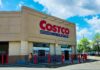
Cracker Barrel just walked away from the biscuit brand it bought for millions, closed 16 restaurants, and says it did it to save its future, not admit defeat.
Story Snapshot
- Cracker Barrel sold Maple Street Biscuit Company’s brand and 35 locations to Biscuit Belly
- Sixteen Maple Street restaurants will close for good as part of the exit
- The company paired the sale with a $77 million real estate deal to pay down debt
- Maple Street went from $36 million star purchase to “too small to keep” in seven years
Cracker Barrel exits Maple Street and shuts 16 locations
Cracker Barrel Old Country Store decided to get out of the biscuit side business and focus on its main brand. The company sold the Maple Street Biscuit Company name and assets tied to 35 restaurants to Biscuit Belly, a smaller biscuit sandwich chain based in Kentucky.
Cracker Barrel will close the remaining 16 Maple Street locations instead of selling them, ending its run with the brand it once saw as a growth engine.
The move was not a quiet tweak around the edges. Cracker Barrel told investors it is exiting the Maple Street business as part of a larger plan to improve profits and cut debt.
The company expects to book tens of millions of dollars in accounting charges linked to the exit and the closures, plus extra cash costs as it winds down the brand. That is a hard financial hit in the short term, even if leaders say it will make the company stronger later.
From $36 million hopeful to rounding error
The decision lands just a few years after Cracker Barrel bought Maple Street for about $36 million in cash back in 2019. At that time, Maple Street had fewer than three dozen locations but a loyal fan base, especially around Jacksonville, Florida, where it began.
Cracker Barrel pitched the deal as a way to tap into the fast-casual breakfast-and-lunch trend and to court younger, urban customers without changing the roadside comfort brand too much.
Cracker Barrel is saying goodbye to one of its brands https://t.co/noZBlJE4Nm
— IndyStar (@indystar) July 22, 2026
That plan never turned Maple Street into a main profit driver. By the time of the sale, Maple Street brought in less than two percent of Cracker Barrel’s yearly revenue. That is tiny for a company with hundreds of restaurants and a national footprint.
A side brand that small either has to grow fast or go. Cracker Barrel’s leadership chose to cut it loose, saying they want to sharpen their focus on the core Cracker Barrel restaurant.
Closures, debt, and a real estate cash-out
The Maple Street sale did not happen alone. Cracker Barrel also completed a sale-leaseback deal on 26 of its own restaurant properties, bringing in about $77 million in net cash.
In plain terms, the company sold the land and buildings to an investor but will keep running the same stores as a tenant. Cracker Barrel plans to use that money to pay down what it owes, lower its interest costs, and steady its balance sheet.
This combination of closing stores, selling a side brand, and cashing out real estate is classic corporate cleanup. Supporters would say it looks like a mature company getting back to basics and refusing to throw more good money after bad.
From this standpoint, that aligns with the idea that businesses should live within their means, shed weak projects, and protect long-term owners instead of chasing fads. Critics might see it as proof the Maple Street bet failed, but corporate reality often holds both truths at once.
What happens to Maple Street and its biscuit fans now
For customers who loved Maple Street, the sale brings a mixed future. Biscuit Belly will take over the 35 sold locations and rebrand them under its own name over the next 18 to 24 months.
That means the doors likely stay open, but the look, logo, and even some menu items will change as the new owner puts its stamp on the stores. For the 16 closing locations, employees and regulars just lose a place they had built into their routines.
Cracker Barrel Completes $77 Million Sale-Leaseback And Divests Maple Street Biscuit Company: Cracker Barrel has completed a sale-leaseback transaction involving 26 company-owned restaurant properties and divested certain assets of its Maple Street… https://t.co/DusNIiDK8b pic.twitter.com/UwcMlABcPH
— Pulse 2.0 (@pulse2news) July 21, 2026
Local reaction, especially in Maple Street’s original markets, reflects a common pattern when a homegrown chain gets passed around big corporate owners and then carved up.
People remember the early days and feel that something unique slipped away in a swirl of deals and “strategic actions.” From a free-market view, though, this is how risk and reward work.
Cracker Barrel paid to buy Maple Street, tried to scale it, decided it no longer fit, and sold what value remained to a new owner eager to grow.
Sources:
foxbusiness.com, finance.yahoo.com, restaurantdive.com, wsj.com, qz.com, independent.co.uk, prnewswire.com