

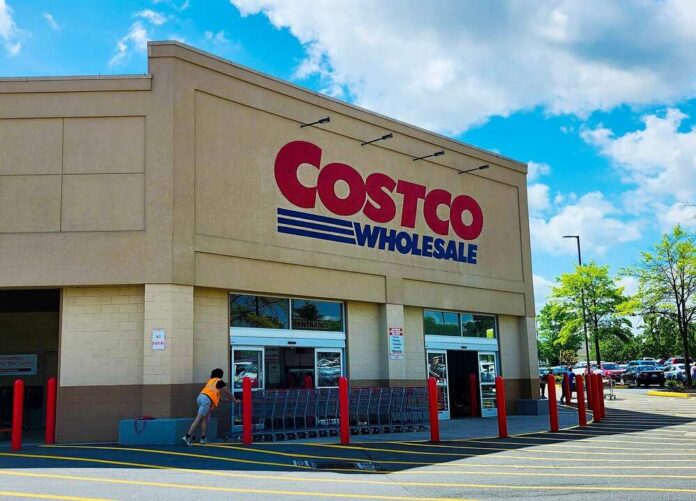
Costco’s warning was not about a store problem on the shelf. It was about a hidden pest that could slip from a backyard plant into California vineyards.
Quick Take
- County agricultural offices say grapevines sold at Costco carried the invasive glassy-winged sharpshooter, a pest tied to Pierce’s disease.
- Officials say Costco notified regulators quickly and began contacting customers who bought plants during the affected period.
- Inspectors destroyed infested grapevines in Sacramento and Napa, while many plants remain in customer hands.
- The strongest evidence points to a nursery supply chain failure, not a public dispute over Costco’s response.
What Happened
County agricultural commissioners in Northern California issued alerts after finding the glassy-winged sharpshooter on grapevine shipments sold at Costco locations. The insect matters because it can spread Pierce’s disease, which can kill grapevines and damage other plants.
Officials said the problem affected several counties, and the warning reached homeowners who bought grape plants for landscaping, not eating.
The most important detail is timing. Sacramento County said the grapevines arrived at Costco between late April and late May, and inspectors later found multiple life stages of the insect on some plants.
Napa County said 63 of 220 grapevines delivered there were destroyed, and one egg mass was found. Sacramento County also said 160 infested grapevines were destroyed after inspection.
How Costco Responded
The public record so far shows a cooperative response. Sacramento County said Costco directly contacted members who bought plants during the affected window and that refunds were being issued.
The University of California Agriculture and Natural Resources said Costco notified customers, worked with county agricultural commissioners, and helped connect buyers with local offices for inspection and disposal guidance. That is not how a negligent seller behaves after learning of a pest alert.
Officials also said Costco was not being blamed. KPIX CBS Bay Area reported that Costco promptly notified agricultural officials after the infestation was discovered and then assisted in alerting customers.
Several county offices used the same basic message, which matters because public trust in food and farm supply chains depends on fast reporting, not denial. In this case, the company appears to have moved in step with regulators once the risk surfaced.
The Real Weak Link Was Upstream
The sharper criticism lands on the nursery, not Costco. County officials and California agricultural authorities said the infestation began before shipment and that the source nursery failed to detect it before the plants reached retail stores.
One county official said the nursery should have notified regulators before shipping, but did not. That point changes the story. It makes this a detection failure in the supply chain, not a clean example of a retailer hiding a problem.
Costco issues warning notice for plant due to invasive insect infestation concern https://t.co/W4FDJ2iqrC
— FOX Business (@FoxBusiness) July 12, 2026
That said, the case is not fully closed. Sacramento County said hundreds of grapevines were still unaccounted for and remained with consumers. Napa County said the remaining plants from its shipment were also unaccounted for.
That creates a practical problem, not a legal one: officials can destroy seized plants, but they cannot inspect what they cannot find. The longer those plants sit in yards, the harder containment becomes.
Why the Warning Spread So Fast
The alert spread across multiple counties because the risk is not local. Bay Area and Central Valley agriculture officials issued warnings, and several media outlets repeated the same core message: stop moving the plants, contact county agriculture offices, and do not trash or compost them. That may sound strict, but it fits the danger. A pest that attacks grapevines does not stay polite inside county lines.
The wine industry lends real weight to the warning. Growers and farm leaders said Pierce’s disease can turn vineyards into a money pit if the insect takes hold. That is why public officials reacted so quickly and why the tone stayed urgent.
For ordinary shoppers, the plants may have looked harmless. For farm counties, they looked like a potential bridge from a retail cart to an agricultural disaster.
What This Story Really Shows
This is a classic supply-chain scare with a modern twist. Big retailers often become the face of the warning even when they did not create the problem.
Costco’s name pulled attention because customers bought the plants there, but the evidence in the public alerts points back to the nursery and the inspection gap. The company’s response, at least from the records released so far, appears to be faster than the failure that triggered the alert.
The uncomfortable truth is that invasive pests travel well, and retail garden centers can become the last stop before a far bigger problem starts. That is why the best response is speed, paperwork, and honest customer contact.
Costco seems to have done those things once officials flagged the issue. The remaining question is not whether the warning was real. It is how many of those plants are still sitting in backyards.
Sources:
foxbusiness.com, ucanr.edu, kcra.com, saccounty.gov, reddit.com, napacounty.gov, instagram.com, youtube.com, facebook.com, berkeleyside.org, pacificsun.com, cdfa.ca.gov, ag.santaclaracounty.gov, cal-ipc.org, suscon.org, necasc.umass.edu, nivemnic.us, sciences.ucf.edu, my.ucanr.edu, agri-pulse.com