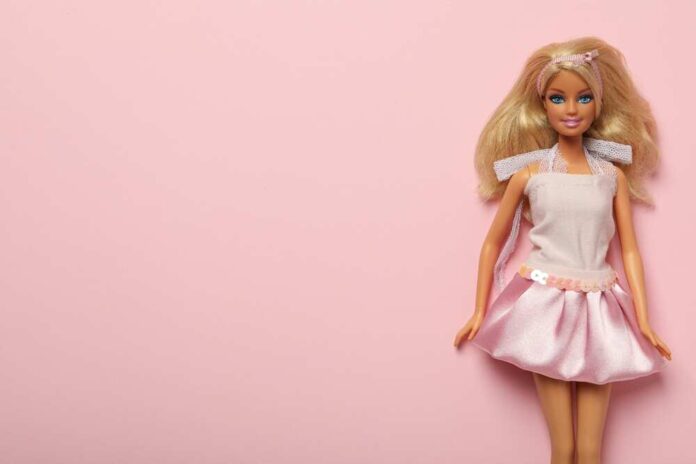
A new line of Barbie dolls threatens to blur the lines of reality and fantasy, sparking debate among conservatives about the impact of such toys on traditional family values.
Story Highlights
- Mattel introduces an autistic Barbie to promote diversity and inclusion.
- The doll features sensory traits and was developed in collaboration with the Autistic Self-Advocacy Network.
- Conservative audiences question the impact on traditional family values and the role of toys in social education.
Mattel’s New Autistic Barbie: A Commitment to Diversity
Mattel Inc. has launched a new Barbie doll representing autism as part of its Fashionistas line. The initiative, developed over 18 months in partnership with the Autistic Self Advocacy Network (ASAN), aims to promote diversity and inclusion.
This launch follows Mattel’s trend of introducing dolls that represent various disabilities and conditions, including Down syndrome and Type 1 diabetes.
Mattel unveils autistic Barbie as the newest member of its line intended to celebrate diversity and inclusionhttps://t.co/3iPHcaB1lj pic.twitter.com/uWY3dXVDKs
— The Washington Times (@WashTimes) January 12, 2026
The autistic Barbie features traits such as side-shifted eyes, articulated joints for stimming, and sensory-friendly clothing. This introduction is part of Mattel’s broader mission to mirror real-world diversity, addressing the rising prevalence of autism in the U.S., now affecting 1 in 31 eight-year-olds according to recent CDC data.
Conservative Concerns: Impact on Family Values
While the introduction of diverse dolls aims to reflect the real world, it also raises questions about the role of toys in shaping children’s understanding of social norms.
Critics argue that the inclusion of complex traits like autism in toys could blur the lines between reality and fantasy, potentially influencing children’s perception of family values.
Conservatives are particularly concerned about the broader implications of such inclusivity pushes, fearing they may inadvertently promote a liberal agenda that undermines traditional family structures. This mirrors broader anxieties about the erosion of conservative values through media and consumer products.
Economic and Social Implications
The economic impact of the autistic Barbie is significant, with a price of $11.87 and a mass-market target. This move also aligns with Mattel’s strategy to lead in inclusive toys, potentially setting a standard for competitors. Socially, the doll aims to reduce stigma and encourage acceptance of autism’s variability, as emphasized by ASAN’s Noor Pervez.
Moreover, this initiative could have long-term effects on how children develop social skills, as studies from Cardiff University suggest that playing with diverse dolls supports understanding and empathy across neurodevelopmental profiles.
Sources:
“Barbie with autism being introduced by Mattel”
Mattel’s commitment to diversity
NDSS’s partnership with Barbie
Mattel study on social skills development