Israeli investigators say the Flydubai co-pilot likely acted alone, and that single detail reshapes how airlines must defend the cockpit next time.
Story Snapshot
- Israeli sources say early evidence points to a lone-wolf co-pilot, not a network.
- Reuters cites two Israeli security officials with the same initial assessment.
- United Arab Emirates prosecutors call it a terrorist attempt as inquiries continue.
- Insider attacks expose a weak point: the trusted crew member inside the door.
What investigators say happened and why it matters
CNN reported Israeli sources assessed the Flydubai co-pilot likely acted alone, with no known link to a group or government at this stage. CBS News matched that line, calling the episode a likely lone-wolf attack based on early Israeli findings, while noting the case remains active. Reuters quoted two Israeli security officials who said the initial view points to a solo actor. United Arab Emirates prosecutors labeled the incident a terrorist attempt and said they are still testing for any outside ties.
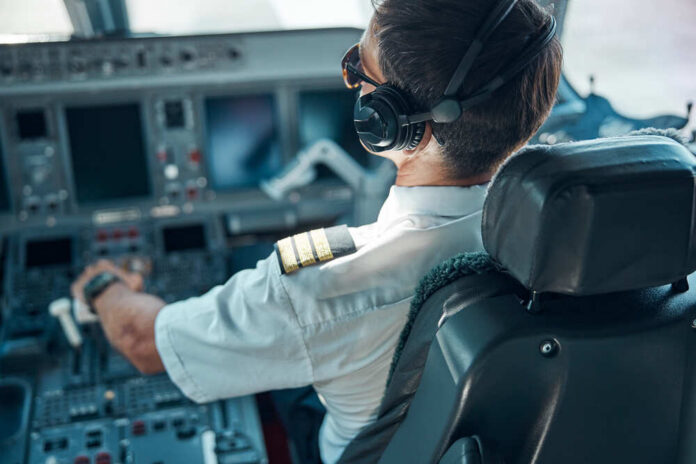
Those facts matter because insider threats punch through the strongest locks. After the attacks of September 11, airlines hardened cockpit doors and trained crews to block intruders. Those defenses target threats in the cabin, not a co-pilot in the left seat. Aviation history shows that a single insider with access and intent can move faster than any checklist. If the lone-wolf assessment holds, the lesson lands squarely on screening, monitoring, and quick-stop tools inside the cockpit.
How “lone wolf” changes the risk picture
Counterterrorism teams use the lone-wolf label when a person plans and acts without direct orders from a group. The term does not mean “no ideology.” It flags the absence of command-and-control. Reuters reported Israel’s initial read was “likely acting alone,” while still checking for links. That qualifier is standard tradecraft. Investigators probe devices, contacts, and money trails. The working label drives near-term security steps, like alerting airlines to behavior markers and tightening access rules on the flight deck.
For aviation, the hard part is that insiders clear every external filter. They pass the door and hold the authority. That is why researchers and safety bodies have urged layered defenses that assume a pilot could go rogue. These include pairing rules, biometric or timed locks, independent alerting to ground control, and crash-axe control measures. The point is not to treat pilots as suspects. It is to add friction against a rapid move to violence while keeping normal operations smooth.
What we know from public reporting so far
CBS News said off-duty pilots helped regain control and the jet made an emergency landing in Saudi Arabia, where questioning began before transfer to United Arab Emirates authorities. Multiple outlets said Israeli investigators have not identified links to a terrorist group or a foreign government at this time. Xinhua, citing Israel’s Channel 12, reported a preliminary Israeli probe also pointed to a “lone wolf” conclusion. The United Arab Emirates prosecutor general called the act a terrorist attempt and left open whether the suspect had any extremist ties.
Some reports described past concerns about radical views during the suspect’s earlier employment, which is a red flag for motive, not proof of command direction. That distinction is key. Many lone actors consume extremist content and even praise groups online. Yet they plan and strike without direct guidance. Law enforcement treats ideology as a lead, not a verdict. Investigators will look for handlers, funding, and operational help. Absent that, the case stays in the lone-actor lane under terrorism law.
The conservative common-sense read on security and accountability
Air travel runs on trust backed by verification. Common sense says verify more, earlier, and continuously for those with keys to the cockpit. That means real background checks, recurring vetting with teeth, and fast data-sharing between airlines and governments when warning signs appear. CBS News and Reuters both frame this as an early lone-wolf finding, which, if confirmed, underscores an insider gap that policy must close without punishing the vast majority of honorable pilots.
[Take 11/15 · 𝕏-1]
### 𝕏-1. FlyDubai co-pilot identified as Omani Hamam al-Hammami; axe attack on Tel Aviv flight foiled
*(as of 2026-10-03)***1. The Frame**
**What people think this is about:** A radicalized Omani co-pilot, Hamam al-Hammami, attempted to hijack and crash a…
— GrumpyNews, emotionally clean news. (@GrumpyNews_) October 4, 2026
Three near-term fixes align with conservative priorities: empower front-line crews, harden procedures, and demand results from regulators. First, give captains clear authority to remove questionable crew from a flight without fear of legal blowback. Second, tighten cockpit protocols, such as mandatory two-person presence and restricted access to potential weapons. Third, require aviation authorities to audit airline vetting and report findings publicly, so the market rewards carriers that take security seriously.
Sources:
cbsnews.com, aljazeera.com, english.news.cn, reuters.com, themedialine.org