

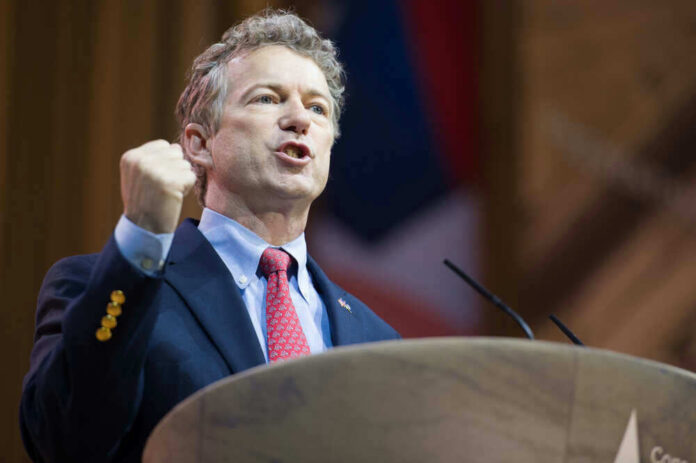
Senator Rand Paul unleashed a scathing attack on Vice President JD Vance, condemning his defense of a strike on an alleged Venezuelan cartel boat as “despicable and thoughtless.”
The senator’s criticism exposes deep fractures within the Republican Party over military action and constitutional authority.
Story Snapshot
- Rand Paul publicly slammed JD Vance’s defense of a U.S. strike on alleged Venezuelan cartel targets.
- Vance responded defiantly with profanity, saying, “I don’t give a s*** what you call it.”
- The clash highlights constitutional concerns about military action without congressional approval.
- Internal GOP divisions emerge over foreign intervention and executive authority.
Paul Condemns Vance’s Inflammatory Defense
Senator Rand Paul issued a sharp condemnation of Vice President JD Vance’s defense of a military strike targeting alleged Venezuelan cartel operations.
Paul characterized Vance’s remarks as “despicable and thoughtless,” highlighting concerns about constitutional processes and congressional oversight.
The senator’s criticism came after Vance defended the administration’s action with unusually crude language, dismissing critics who questioned the strike’s legality or appropriateness.
Vance’s Defiant Response Sparks Controversy
Vice President Vance’s response to criticism about the Venezuelan strike included profanity-laden dismissals of concerns about potential war crimes or constitutional violations.
When pressed about the nature of the military action, Vance reportedly stated, “I don’t give a s*** what you call it,” demonstrating the administration’s unwavering stance.
This rhetoric has drawn criticism from constitutional conservatives who expect more measured discourse from high-ranking officials, particularly when addressing serious matters of military engagement and legal authority.
Constitutional Authority Questions Divide Republicans
The dispute between Paul and Vance reflects broader Republican tensions over executive power and military intervention.
Paul, known for his libertarian-leaning positions, has consistently advocated for congressional approval before military actions, viewing such oversight as essential constitutional protection.
His criticism suggests concern that the Trump administration may be overstepping executive authority, even in operations targeting criminal cartels.
This division threatens party unity on foreign policy matters and raises questions about proper constitutional processes.
Military Strike Details Remain Under Scrutiny
The controversial strike allegedly targeted Venezuelan cartel operations, though specific details about casualties and justification remain limited.
Reports indicate the military action resulted in multiple deaths, prompting questions about proportionality and legal authority.
Paul’s opposition suggests the strike may have occurred without proper congressional notification or approval, violating constitutional requirements for military engagement.
The incident has reignited debates about executive overreach and the need for legislative oversight in military operations, even those targeting criminal organizations.
Rand Paul Slams JD Vance's Defense of Strike on Alleged Venezuelan Cartel
Source: Newsweek https://t.co/yvJMgK76nL— @gkphilly (@geniklein) September 7, 2025
This intra-party conflict reveals fundamental disagreements about constitutional limits on executive power, even within a Republican administration committed to strong border security and anti-cartel operations.
Paul’s stance reflects concerns about government overreach and constitutional adherence, while Vance’s position emphasizes aggressive action against threats to American security interests.
Sources:
Politico – Senate Republicans put megabill on track for likely passage
News from the States – Kentucky Republicans at the center of national political controversies