
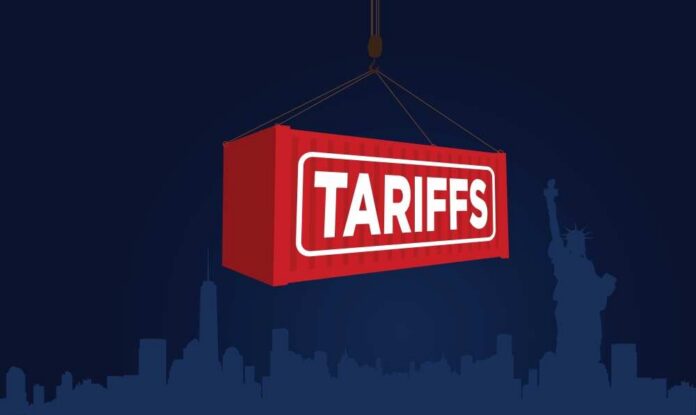
Canada slapped 25 percent tariffs on a first wave of U.S. goods at 12:01 a.m. on March 4, 2025—and promised they stay until Washington backs down.
Story Snapshot
- Canada imposed 25 percent tariffs on about $30 billion in U.S. imports starting March 4, 2025.
- Perfumes and toilet waters appear on Canada’s official tariff list.
- Ottawa tied the move directly to U.S. tariffs and linked removal to U.S. reversal.
- A second tranche around C$29.8 billion followed in mid-March, showing a phased rollout.
Canada’s Counterstrike: What Started, When, and Why
Canada’s Department of Finance announced a retaliatory tariff plan and activated it at 12:01 a.m., March 4, 2025. The first tranche covered roughly $30 billion in U.S. goods at a 25 percent rate, with more to come.
Ottawa said the countermeasures would remain until the United States removed its tariffs on Canadian goods. The announcement named senior ministers and framed the step as a firm but measured response. Prime Minister Mark Carney underscored the link and the timetable on the same day.
Canada published a product list alongside the announcement. That list includes perfumes and toilet waters under the Harmonized System classification 3303.00.00.
The language states the countermeasures are effective immediately and last until the United States eliminates its tariffs on Canadian goods.
This is straight, operational policy—not a trial balloon. The goal is clear: apply pressure where it hurts politically while keeping supply options open in Canada where possible.
The Phased Rollout: March 4 Then March 13
The retaliatory plan did not end with day one. Reporting the week of March 4 signaled a second slice of tariffs coming the following week.
Reuters detailed an added C$29.8 billion round that took effect around March 13. This shows a deliberate, staged design.
Ottawa opened with a sizable first hit and kept leverage for a near-term follow-up, signaling resolve without exhausting options in one move. That is standard playbook in tit-for-tat trade fights.
United States agricultural officials later summarized the opening volley in plain terms. The United States Department of Agriculture’s Foreign Agricultural Service reported Canada implemented a 25 percent tariff on an initial tranche of over $20 billion in U.S. imports on March 4.
This cross-checked the timing and rate from an American source and reduced any ambiguity about the action’s scope and start date. For businesses, that sort of external confirmation matters for planning.
What Goods Got Hit—and How It Could Widen
The first Canadian list names items line by line, including perfumes and toilet waters. Later coverage describes a broader basket that, over time, expanded to include dairy products such as milk and cream, beauty items, and golf clubs at higher rates.
That later mix reflects how governments target products that grab headlines and voter attention. When shoppers see higher prices on daily goods or popular leisure gear, they notice—and so do lawmakers back home.
BREAKING REPORT: Canada IMPOSES retaliatory tariffs of up to 50% on multiple goods.
Canada's tariffs range from 15% to 50%.
American milk, perfume, video game consoles, golf clubs, fishing rods, steel, aluminum, jackets and T-shirts will face 50% tariffs.
Cheese, carpets…
— Chuck Callesto (@ChuckCallesto) September 8, 2026
Tariff fights rarely end with a single exchange. The economic research record says both sides lose ground as retaliation stacks up.
Trade volumes shrink. Uncertainty rises. Output and household welfare slip. The politics can reward toughness for a while, but the math punishes both countries as the cycle drags on. That is why smart policy aims for pressure that opens a door to talks, not a spiral with no off-ramp.
What It Means for American Households and Firms
American exporters of listed goods face a straight cost hike at the Canadian border. They can cut prices to keep customers, shift production, or risk losing share to non-U.S. suppliers. None of those options is painless.
For consumers in Canada, the hit shows up in sticker shock on targeted products. For American families and small businesses, the pain comes back when sales drop, hours get cut, or suppliers demand concessions. That is not theoretical; it is how tariffs work, line by line.
Where This Likely Goes Next
Canada’s message is simple: lift your tariffs, and we lift ours. Until then, the countermeasures stay. The staged March rollout shows Ottawa can dial pressure up in steps. The United States can match or negotiate.
The common-sense test says deal from strength, but count the costs. Strength does not mean paying more for less and calling it victory. A focused de-escalation that protects core industries while restoring open trade is the win that lasts.
Sources:
cbsnews.com, reuters.com, halifax.citynews.ca, canada.ca, ey.com, fas.usda.gov, bbc.com, ecb.europa.eu, imf.org