
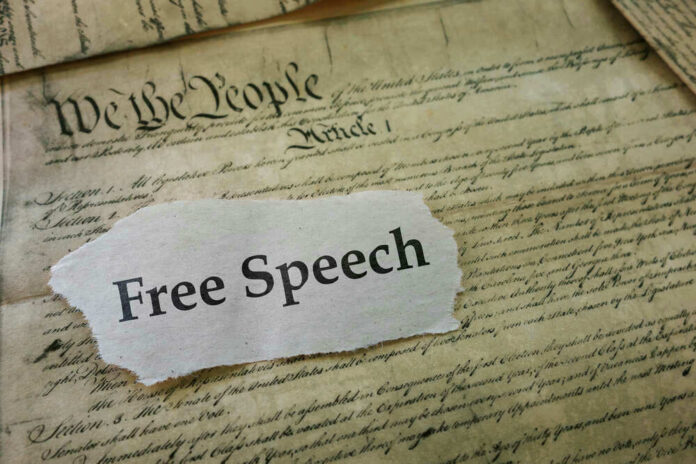
President Donald Trump’s new executive order targeting flag burning is met with approval by conservatives while also igniting debate over free speech, patriotism, and the limits of government power.
Story Snapshot
- President Trump signed an executive order, directing aggressive prosecution of flag desecration under existing laws.
- The order calls for denying immigration benefits to foreign nationals involved in flag-burning.
- This action challenges Supreme Court rulings that protect flag burning as free speech, setting up a major constitutional test.
- Supporters see the move as a restoration of respect for national symbols, while critics warn of government overreach.
Trump Signs Order to Crack Down on Flag Desecration
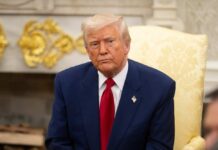
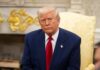
President Trump signed an executive order in the Oval Office instructing the Department of Justice to prioritize the prosecution of individuals who burn or desecrate the American flag.
The order frames such acts as uniquely provocative and a threat to public safety, seeking to enforce existing statutes and clarify the boundaries of First Amendment protections.
Federal agencies are also directed to deny immigration benefits to foreign nationals involved in flag desecration, adding a new layer of consequences for non-citizens who participate in these acts.
The executive order does not establish new federal crimes; instead, it leverages existing laws to encourage more aggressive prosecution.
By instructing the Attorney General to pursue litigation that clarifies exceptions to First Amendment protections, the administration is directly challenging longstanding Supreme Court precedent.
In 1989 and 1990, the Court decisively ruled that flag desecration constitutes protected speech under the First Amendment, striking down prior attempts to criminalize such acts.
Despite this, the order signals a renewed effort to test those limits, especially amid heightened political polarization and public demonstrations involving flag burning.
Immigration Consequences: Expanding Enforcement Beyond Criminal Prosecution
The order’s immigration provisions represent a significant escalation, targeting foreign nationals who desecrate the flag by denying them visas, green cards, or other immigration benefits.
The Secretaries of State and Homeland Security are tasked with enforcing these measures, which may affect both current visa holders and future applicants.
This approach ties respect for national symbols directly to eligibility for U.S. residency, reflecting a broader trend in recent Trump administration policies to condition immigration status on adherence to American values and laws. Immigrant communities now face new risks, as any association with flag desecration could trigger denial of benefits or even deportation.
While the legal impact on immigration is immediate, the broader implications for protest rights are still unfolding. Law enforcement agencies will need to navigate complex legal terrain, balancing aggressive prosecution with established constitutional protections.
The order also directs federal agencies to refer relevant cases to state and local authorities, potentially increasing the number of prosecutions nationwide and intensifying scrutiny of protest activities involving the flag.
Constitutional Challenges and Legal Uncertainties Ahead
Legal experts widely agree that the Supreme Court has consistently protected flag burning as a form of free speech, making the executive order vulnerable to constitutional challenges.
Civil liberties organizations such as the ACLU are expected to oppose the directive, warning of government overreach and potential erosion of First Amendment rights.
Despite these concerns, many conservative commentators argue that the order is a necessary step to restore respect for the American flag and deter provocative acts that undermine national unity.
Constitutional law scholars point out that overturning or narrowing Supreme Court precedent would require either a constitutional amendment or a significant judicial shift.
Litigation stemming from the order could eventually reach the Supreme Court, setting the stage for a high-profile battle over the limits of executive authority and the definition of protected speech.
Meanwhile, the debate has energized both supporters and opponents, reflecting deep divisions over the meaning of patriotism and the role of protest in American society.
Broader Impacts: Social Polarization and Policy Ramifications
In the short term, the executive order is expected to increase prosecutions for flag desecration and heighten public debate over free speech and patriotic values.
Protesters and activists may face greater legal risks, while immigrant communities could encounter increased scrutiny and harsher penalties. Law enforcement agencies will be tasked with new enforcement priorities, and legal teams are preparing for a wave of constitutional challenges.
Trump Directs AG to Prosecute Flag Desecration https://t.co/e0xggMtJdq arrest and deport foreigners who do it as well
— Sherry L (@mountainmama50) August 26, 2025
Long-term effects remain uncertain, as the order’s durability depends on judicial interpretation and the willingness of courts to revisit established precedent.
The legal sector anticipates a surge in litigation, and the national conversation about free speech, government power, and American identity is likely to intensify.
While many conservatives hail the order as a long-overdue defense of national symbols, critics see it as an overreach that threatens core constitutional freedoms.
Limited data is available on immediate enforcement actions, but key insights indicate a significant escalation in federal efforts to deter flag desecration, with broad implications for civil liberties and social cohesion.
Sources:
Trump signs executive order targeting flag burning (Axios)
Fact Sheet: President Donald J. Trump Protects the American Flag from Desecration (White House)
Trump Administration Live Updates (ABC News)
Presidential Actions: Prosecuting Burning of the American Flag (White House)
Trump cracks down on flag burning, desecration with executive order (Fox News)