
The federal appeals court just torpedoed the plea deal for the architect of 9/11, tossing twenty years of legal wrangling into chaos and reopening the door to the death penalty—while everyday Americans are left asking why, after all this time, justice for the worst terrorist attack in our history still hangs in the balance.
At a Glance
- A federal appeals court ruled the Pentagon can withdraw from plea deals for Khalid Sheikh Mohammed and four co-defendants.
- The possibility of the death penalty for the alleged 9/11 mastermind is back on the table after years of delays.
- The ruling exposes dysfunction between the military and civilian justice systems and reignites debate about Guantanamo’s future.
- Victims’ families remain split: some want closure, others demand maximum punishment and accountability.
A Courtroom Farce That Never Ends
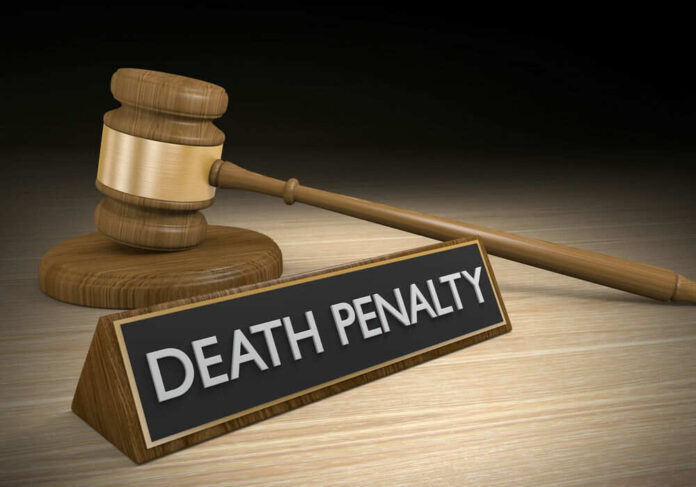
America’s patience has been tested long enough. Khalid Sheikh Mohammed—the self-proclaimed mastermind behind the September 11 attacks—has sat in U.S. custody for over two decades while politicians, bureaucrats, and lawyers turned his prosecution into a never-ending circus. Now, the D.C. Circuit Court of Appeals has ruled that the Pentagon can rip up the plea deals that would have spared KSM and his fellow conspirators from the death penalty. So here we are, right back where we started: the death penalty is back on the table, but justice remains nowhere in sight.
Since 2002, KSM and his four co-defendants have been shuffled between secret CIA sites, Guantanamo Bay, and a maze of courtrooms. The military commission system—originally set up to avoid the pitfalls of civilian trials for terrorists—has delivered little except endless delays, legal roadblocks, and a bill for taxpayers that rivals the GDP of small nations. The 9/11 families, who have waited for answers and accountability, are left to suffer through more years of legal ping-pong. At the same time, the accused terrorists live out their days in a tropical military facility at our expense.
The Ruling: What Happened?
On July 11, a divided panel of the D.C. Circuit Court of Appeals handed down the decision that the Secretary of Defense can withdraw from plea agreements negotiated with KSM and his co-defendants. These deals would have taken the death penalty off the table in exchange for guilty pleas—an outcome that, let’s be honest, never sat right with many Americans.
The majority opinion, authored by Judges Patricia Millett and Neomi Rao, found that the head of the Pentagon has clear authority over these military commission proceedings. Judge Robert Wilkins dissented, arguing that the civilian court should have deferred to the military’s judges, who earlier said the deals were binding.
The Biden administration’s DoJ had originally attempted to push these plea bargains through, claiming it was the best way to bring this legal marathon to a close. The White House claimed ignorance, but the political fallout was immediate. With the appeals court siding with the Pentagon, the entire process is reset: the prosecution can once again pursue the death penalty, and the pretrial circus at Guantanamo continues. The only thing moving forward fast is the cost to the American taxpayer.
Victims’ Families: Betrayed and Divided
It shouldn’t come as a shock that the families of 9/11 victims are still waiting for justice. Some, desperate for closure, saw the plea deals as a way to put this nightmare behind them finally. Others, rightfully angry, demanded nothing less than the maximum punishment for the men responsible for the deaths of nearly 3,000 innocent people. The appeals court’s decision may have given the latter group hope, but it has also ensured that the legal process will drag on for years longer, with no guarantees of resolution.
The real insult here is the utter lack of accountability—twenty years of legal maneuvering, billions spent, and still no verdict. The military commission system—supposedly designed for swift justice—has become a byword for government dysfunction and bureaucratic bloat. Meanwhile, the same government that can’t get justice for 9/11 is busy printing money, subsidizing illegal immigrants, and pushing lunatic policies that make a mockery of the Constitution and everything it stands for.
Legal and Political Gridlock: Who Benefits?
The Secretary of Defense gets more power. The DoJ gets to kick the can down the road. Congress avoids making tough decisions by hiding behind “national security.” The only people who lose are the American public and the families who paid the highest price on September 11. The ruling sets a precedent: the Secretary of Defense can yank any plea agreement out from under the accused on a whim, with the courts rubber-stamping the decision. If you’re a fan of due process, don’t look too closely at how this sausage is made.
This case is a microcosm of everything that’s wrong with the way our government handles national security, justice, and the rights of victims. The military commission system is broken. The civilian courts are powerless. The politicians are AWOL. And the American people are left footing the bill—again—for a process that delivers nothing but frustration and a burning sense that justice delayed is justice denied.