America’s food giants scramble as GLP-1 drugs slash junk food cravings, finally empowering families to reclaim control from Big Food’s addictive empire.
Story Highlights
- GLP-1 medications like Ozempic and Wegovy cut daily calories by 1,000, driving 5-8% drops in grocery and restaurant spending while boosting demand for protein and veggies.
- January 2026 pill-form Wegovy launch in 70,000 U.S. pharmacies accelerates adoption among 15-20% of adults battling obesity.
- CPG companies pivot to smaller portions and satiety-focused products, turning potential sales crashes into opportunities for healthier innovations.
- Experts confirm milder impacts than feared, with users remaining high-spenders post-treatment, rewarding smart adaptations in deli and produce aisles.
- Under President Trump’s pro-health agenda, declining obesity rates signal a win for personal responsibility over government handouts.
GLP-1 Surge Reshapes Eating Habits
GLP-1 receptor agonists such as semaglutide in Ozempic and Wegovy suppress appetite and reduce calorie intake by about 30%.
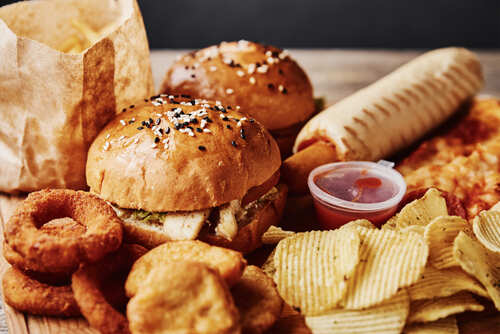
Users skip snacks by 40-60% and increase protein and vegetable consumption by 65-80%. This shift disrupts consumer packaged goods, restaurants, and grocery sectors.
High-value spenders, often from higher-income households, drive these changes. By early 2026, pill-form Wegovy rolled out in 70,000 U.S. pharmacies, expanding access beyond injections.
Families frustrated with past obesity epidemics now see real results from medical innovation, not fleeting fad diets.
Industry Adapts to Declining Indulgences
Packaged food sales held steady in 2025 despite initial fears of plummeting demand. Grocery spending dropped 5.3% overall, hitting 8% for high-income users, per Cornell studies.
Snacks and sweets declined around 10%, while yogurt, fruit, and protein bars grew. Restaurants face smaller average check sizes and lower visit frequency as diners opt for high-protein menus. CPG giants like Kellogg’s and PepsiCo reformulate to promote satiety.
Retailers such as Ocado, Morrisons, Asda, and Iceland launched GLP-1-friendly lines with 100g steaks and balanced meals in January 2026. This pivot aligns with conservative values of self-reliance, countering years of dominance by processed food.
GLP-1 drugs are changing how Americans eat. Food companies are racing to catch up https://t.co/qVVcGUQmwN
— CNBC (@CNBC) March 21, 2026
Expert Insights Highlight Opportunities
Sally Lyons Wyatt, EVP at Circana, calls GLP-1 an “and” opportunity, not doom. Users overspent on food pre-treatment but dipped only 1.6 index points post-use, staying above average. Focus on deli, produce, and protein yields easy wins amid declines in fat and sugar.
Pharma leaders Novo Nordisk and Eli Lilly dominate with Wegovy, Ozempic, Mounjaro, and Zepbound. Unlike willpower-based keto fads, GLP-1 delivers sustained suppression rooted in diabetes origins from the 2000s.
Conservative families applaud this break from Big Food’s grip, fostering healthier homes without nanny-state mandates.
Obesity rates dropped in 2025, with 78% of users seeking weight loss, up 41 points from 2021. GLP-1 ranks as the top health trend for 2026, per U.S. News.
Protein and fiber trends address concerns about muscle loss. Initial 2021 panic over sales crashes proved overstated; actual impacts remain moderate.
High-income users fuel trillion-dollar sector reallocations, with winners in nutrient-dense mini-meals and losers in high-fat sugars unless repositioned.
Under Trump’s America-first policies, these shifts bolster public health and economic resilience for working families tired of fiscal waste on obesity burdens.
GLP-1 drugs are changing how Americans eat. Food companies are racing to catch up pic.twitter.com/c9l3F4z1Eg
— Justice in 2026 (@JusticeIn2025) March 22, 2026
Long-Term Wins for American Health
Short-term, affluent GLP-1 users cut back on restaurant add-ons and indulgence purchases. Long-term, smaller appetites persist beyond treatment, altering social eating norms. Economic reallocation lifts deli shares while challenging low-margin fiber pushes.
No major political angles emerge, but obesity declines aid fiscal stability, easing taxpayer loads from prior mismanagement.
This pharmacological edge over past trends empowers individuals, aligning with Trump’s emphasis on personal liberty and limited government interference in daily life. Food companies’ race to catch up rewards innovation that serves real American needs.
Sources:
How Will GLP-1s Impact the Food and Beverage Industry in 2026?
Opinion: GLP-1 food & beverage industry predictions
Soup to Nuts podcast: How will GLP-1s reshape food in 2026?
GLP-1 food trends: What manufacturers must do next
GLP-1 ranks as No. 1 health trend for 2026
The influence of GLP-1s on 2026 food trends