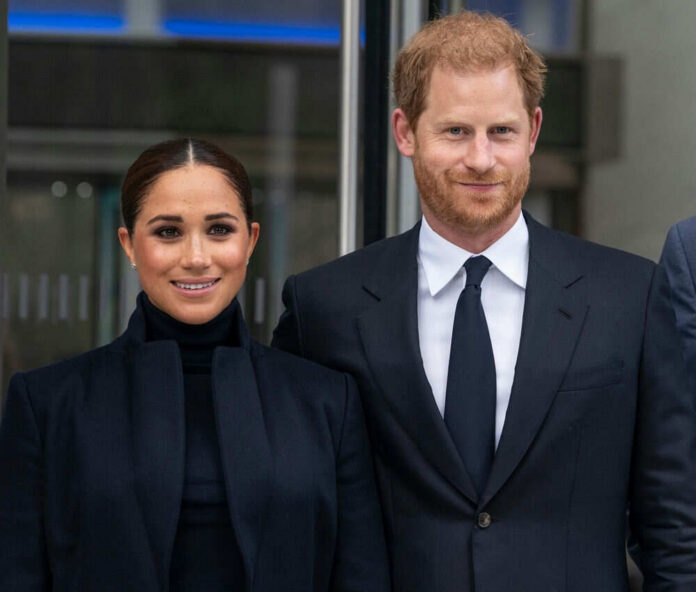
King Charles put it in writing: Harry and Meghan are private citizens, not working royals, and their royal styles stay on ice.
Story Snapshot
- Palace guidance states the Sussexes remain non-working royals and private citizens.
- Their His and Her Royal Highness styles are not in active use, though not removed.
- Buckingham Palace said in 2021 they would not return to royal duties.
- Protocol aims to end confusion over roles, duties, and endorsements.
What the king’s letter settles, and why it was sent now
King Charles issued formal guidance that Prince Harry and Meghan will be treated as private citizens, not as working members of the Royal Family.
The Lord Chamberlain distributed the instruction to government, military, and local representatives to standardize protocol at events and in correspondence. The letter says their His and Her Royal Highness styles remain out of use, which aligns with past Palace guidance.
Harry and Meghan "surprised" by King's letter which said they remain non-working royals, spokesperson says https://t.co/F2S2asBWCS
— BBC Breaking News (@BBCBreaking) September 8, 2026
The couple’s return to the United Kingdom raised practical questions about seating, honors, security coordination, and host billing. Officials want clean lines. Working royals appear on behalf of the monarch. Private citizens do not.
Charities and companies also want certainty on how to describe the Sussexes in programs and media notes. The guidance draws that bright line. It avoids mixed signals that could suggest state endorsement or official duties where none exist.
The 2020 to 2021 backdrop that shaped today’s status
Buckingham Palace stated in February 2021 that the Duke and Duchess of Sussex would not return as working members of the Royal Family. That decision flowed from their choice to step back from official duties.
The late Queen wrote that stepping away meant giving up the responsibilities tied to a life of public service from inside the institution. The couple kept their duke and duchess titles but agreed not to use His or Her Royal Highness in their public work.
Royal rules split titles, styles, and duties into distinct boxes. A peerage title, like Duke of Sussex, is not the same as the His or Her Royal Highness style. Neither is the same as an official role on behalf of the monarch. Popular coverage often blurs those lines.
Palace statements tend to be short, which invites confusion. The new letter follows the pattern: brief, direct, and focused on practice, not theory. It reinforces the 2021 outcome in day-to-day terms.
What “private citizen” means in practice for the Sussexes
Being treated as private citizens means no automatic role at state events, no official patronage on behalf of the Crown, and no implied endorsement by the government. Their commercial ventures and charity work stand as personal efforts, not royal assignments.
That matters for invitations, seating, uniform rules, and how hosts introduce them on stage. It also clarifies that security and logistics questions go through standard channels, not royal offices.
King Charles says Harry and Meghan are ‘private citizens’ amid U.K. return https://t.co/KRgsMcNEox pic.twitter.com/80sXaaNPEf
— Global News Trending (@GNewsTrending) September 8, 2026
Some observers argue this clarity is overdue. Institutions should state who speaks for them and who does not. That protects taxpayers, reduces protocol drama, and keeps favoritism in check.
The 2021 decision set the policy floor; the new letter sets the policy signage. On disputed points, the record is plain: the Palace drew a firm line years ago. The latest memo posts the line on the door where everyone can see it.
Why the letter matters beyond royal drama
Public life needs rules that do not bend with celebrity or clicks. The Crown’s work is ceremonial and constitutional, but its signals carry weight in civic life. Clear boundaries protect public trust. Harry and Meghan keep their titles but do not carry the monarch’s banner.
That middle ground respects family ties and public order. The king’s letter trades noise for norms, which is exactly how stable institutions should operate when private brands meet public roles.
Sources:
independent.co.uk, aljazeera.com, bbc.com, today.com, nine.com.au