

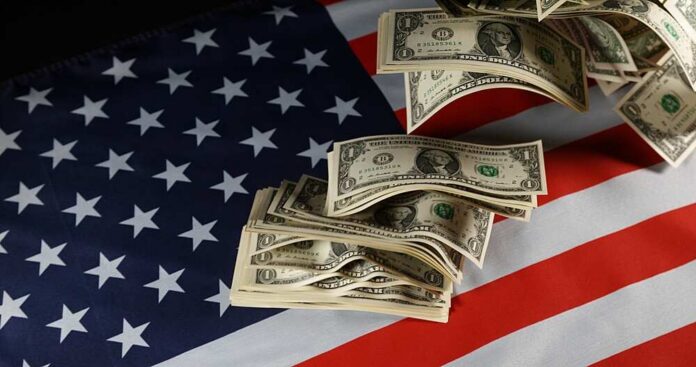
Across dozens of U.S. cities, strangers are racing to grab hidden stacks of real cash—because someone online told them where to look.
At a Glance
- Cash-drop accounts now operate in roughly two dozen cities with millions of followers.
- Creators hide bills in everyday objects, then post clues that trigger fast, frenzied hunts.
- Finders often locate the money within minutes, with others close behind.
- The format blends charity, showmanship, and low-budget marketing, echoing a 2014 craze.
What’s Actually Happening On The Streets
Social media creators are stashing cash in public places, then posting cryptic hints and short videos that send people sprinting. The money shows up in candy bags, takeout boxes, duct-taped bundles, even inside shells covering a basketball or a football. Accounts post the setup, the clue, and the payoff clip when the first person finds it.
CBS News reviewed over 50 such accounts across about two dozen cities, with a combined audience above 7 million. The scale explains the speed: cash drops rarely last long before someone claims them.
People are scrambling to find wads of cash dropped all over American cities. Here's how they're doing it.
https://t.co/cFx2LeDn0I— CBS News (@CBSNews) August 21, 2026
The scramble has its own etiquette and theater. Creators often film hands hiding a wad, then cut to the winner waving bills and grinning. They choose busy but accessible spots—parks, train stations, popular corners—so the clue feels fair.
Many keep the camera operator off-screen to preserve the mystery. One Cleveland montage shows a tour of drop sites around the city, turning landmarks into a highlight reel of quick wins and local pride. The rhythm is simple: tease, chase, cheer, repeat.
Why This Feels New, And Why It Isn’t
Today’s wave looks modern because it runs on short video, real-time clues, and instant validation. But the core idea mirrors the “HiddenCash” scavenger hunts from 2014, when an anonymous donor left envelopes containing $200 or more in public places, triggering frenzies in California and beyond.
That earlier trend inspired copycats across several cities and even overseas, then fizzled when it grew unwieldy. The new version spreads faster because social networks now reward quick, high-engagement stunts and location-based games.
The format also flexes with purpose. Some hosts frame it as kindness in tough times, a small lift for a stranger’s day. Others lean into spectacle and brand-building, using giveaways to grow their followings and to plug local events or tickets, as seen in Cleveland’s prize expansions.
The line between charity and marketing is thin because the effect is the same on video: people move, emotions spike, and the crowd wants more. The reward is attention, whether you find a twenty or a full roll of hundreds.
The Legal Gray You Should Not Ignore
The basic story sounds clean: someone gives away money; someone else finds it. But state laws do not always treat “found cash” as a free-for-all.
A Charlotte legal analysis warned that while a host might call it a gift, statutes often see unclaimed cash as lost property, and taking it could be treated as theft if not handled properly.
Good hosts can reduce risk by making intent explicit. Clear language stating that the money is a gift to the first finder, posted with the date, time, and location, helps show that the cash was not lost or abandoned by accident.
Visible permission on private property and thoughtful placement away from traffic or hazards help too. These steps do not replace legal advice, but they respect order and safety. They also honor the spirit of the game without dragging police into a preventable dispute over twenty bucks on a sidewalk.
Why People Keep Running Toward It
Scarcity, speed, and status drive the rush. A post pings phones across a neighborhood, and the race is on. Most drops pay small amounts—often under a few hundred dollars—but the value rides on the chase and the shareable win.
Videos show winners finding cash within minutes, with near-miss seekers arriving moments later. That near-miss clip keeps the loop going. Viewers tell themselves the next one is theirs. The psychology is simple: low cost to try, a high dopamine hit if you score.
Communities are adapting. Local accounts in Dallas, Atlanta, Austin, and Wichita use familiar landmarks and tight windows to keep hunts fair and fun. Some mix in sports tickets or local gift cards to build civic flavor and support venues. The best hosts treat the audience like neighbors, not marks.
They keep it safe, keep it legal, and keep the clues clever. That earns goodwill. It also teaches a quiet lesson: generosity works best when it respects the rules that protect us all.
Sources:
cbsnews.com, youtube.com, charlotteobserver.com, latimes.com, abc13.com, yahoo.com