
Nearly 100 U.S. service members have been injured in Iranian strikes this month, and most of them are already back on duty.
Quick Take
- Chief Pentagon Spokesman Sean Parnell said almost 100 service members suffered injuries since July 7.
- Parnell said 96 percent of those injured have returned to duty.
- The Pentagon said most of the injuries were minor concussions.
- The injuries came amid a fast-moving exchange of attacks tied to the Jordan base strike.
Pentagon Says the Injuries Are Mostly Minor
Chief Pentagon Spokesman Sean Parnell told CBS News that almost 100 people “were deemed to have some degree of injury since July 7, 2026.” He said 96 percent have returned to duty, and he described the vast majority of injuries as minor concussions.
That detail matters because it shows the scale of the hit without overstating the long-term damage. The Pentagon has not publicly released a full damage assessment from the latest attacks.
The injuries landed in the middle of a broader military exchange that has been building for weeks. CBS News reported that Iranian airstrikes hit bases in the Middle East region this month, and that the Pentagon also linked the crisis to earlier attacks on U.S. forces in Jordan and Iraq. The rough pattern is clear: each strike has invited another response, and the cycle has not slowed.
How the Escalation Reached This Point
The current round of U.S. strikes followed a deadly attack on a base in Jordan that killed two American service members and left another missing.
The Pentagon later said another service member was killed in Iraq during a controlled detonation of unexploded ordnance from a downed Iranian one-way attack drone. That sequence turned a regional fight into a direct test of U.S. resolve, with the White House and Pentagon signaling that the attacks would not go unanswered.
Nearly 100 American service members have been injured in multiple Iranian airstrikes on bases in the Middle East region this month, U.S. officials told CBS News. https://t.co/C7qvE4r8qe
— CBS News (@CBSNews) July 20, 2026
The shape of the response is different from earlier retaliation campaigns. In 2024, the United States struck Iran-backed militia targets in Iraq and Syria after a drone attack killed three U.S. soldiers in Jordan.
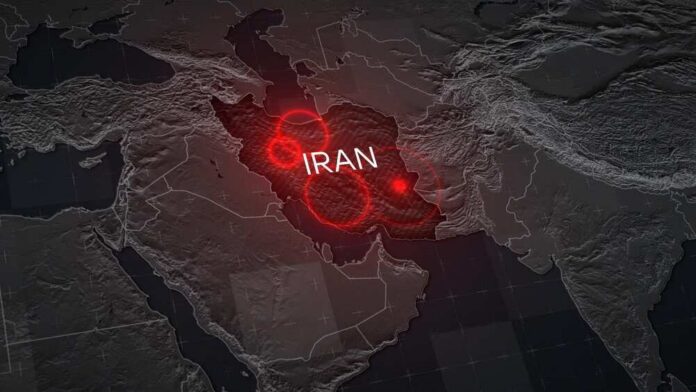
This time, the strikes have hit Iranian territory itself, including air defense and surveillance sites. That shift raises the stakes, because Washington is no longer only punishing proxies. It is confronting Tehran more directly.
Why These Numbers Matter
The injury count is not just a headline. It is a sign of how often American forces are being caught in the blast radius of the conflict. The Defense Casualty Analysis System lists hundreds of U.S. injuries across the wider war, but that database does not yet capture this month’s latest wave.
Even so, the most immediate fact remains the same: the Pentagon says nearly all of the recent injuries were mild enough for troops to return to duty.
🚨 DAY 10: U.S. strikes on Iran continue as Washington expands its military campaign following the deadly attacks that killed American service members. CENTCOM says command centers, missile sites and air defenses were hit.@CENTCOM#Iran #US pic.twitter.com/fTJFRshE3p
— Helena da Notícia (@da_helena95491) July 21, 2026
That leaves a harder question for policymakers. How many more strikes can both sides trade before the damage moves from scattered injuries to a wider regional crisis?
Recent reporting suggests the pattern is still active, with Iran and the United States continuing to exchange fire and with U.S. allies in the region also coming under pressure. For now, the Pentagon’s own numbers show a force that is hurting, but still standing.
Sources:
cbsnews.com, centcom.mil, npr.org, usatoday.com