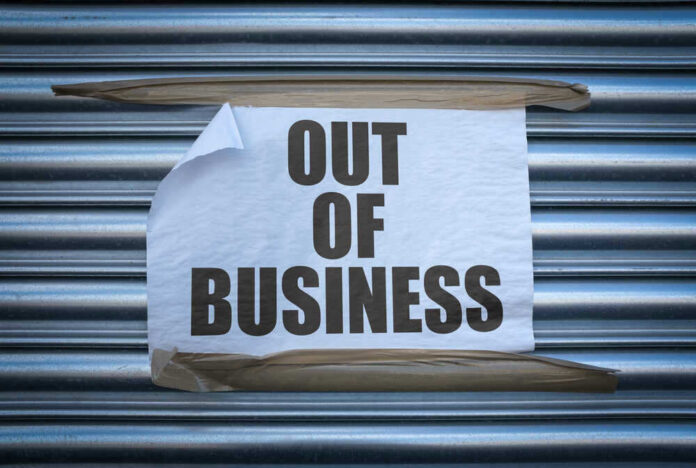
Rite Aid’s spectacular collapse marks the death of another American institution, crushed by opioid lawsuits and corporate mismanagement that left millions of hardworking Americans without their neighborhood pharmacy.
Story Snapshot
- Rite Aid filed for bankruptcy twice in two years, closing all remaining stores permanently in October 2025.
- Opioid-related lawsuits and $2.5 billion in liabilities drove the 63-year-old pharmacy chain to a complete shutdown.
- Thousands of employees lost jobs while customers scrambled to transfer prescriptions to competitors.
- Failed mergers with Walgreens and Albertsons left the company vulnerable to market consolidation.
Corporate Mismanagement Destroys American Jobs
Rite Aid’s management team failed spectacularly to navigate basic business challenges, which ultimately led to the destruction of thousands of American jobs. The company emerged from its first bankruptcy in 2024 as a private entity owned by lenders, yet it still carried crushing $2.5 billion in liabilities. This financial mismanagement demonstrates the consequences of poor leadership decisions that prioritize quick fixes over sustainable business practices, leaving hardworking employees and loyal customers to bear the cost.
Opioid Litigation Weaponized Against Business
Hundreds of opioid-related lawsuits alleging improper dispensing practices became a weapon that ultimately destroyed Rite Aid’s ability to operate. While accountability matters, the legal assault on pharmacy chains creates a dangerous precedent where businesses face existential threats from litigation campaigns. This approach punishes employers and communities rather than addressing the root causes of America’s drug crisis through effective border security and criminal justice reforms.
Market Consolidation Threatens Consumer Choice
Rite Aid’s collapse accelerates dangerous consolidation in America’s pharmacy sector, handing more power to mega-corporations like CVS, Walgreens, and Amazon. This concentration reduces competition and consumer choice while potentially driving up prescription costs for families already struggling with inflation. Rural and underserved communities face the greatest impact, losing convenient access to essential medications and healthcare services that Rite Aid provided for decades.
Rite Aid files for bankruptcy for second time in two years, shuts down all remaining stores https://t.co/3AU4eXxb5O pic.twitter.com/HElvJz8NX6
— New York Post (@nypost) October 6, 2025
Failed Merger Strategy Exposed Weakness
Rite Aid’s failed merger attempts with Walgreens in 2017 and Albertsons in 2018 revealed fundamental weaknesses in the company’s strategic planning. These botched deals left Rite Aid exposed to competitive pressures while stronger rivals captured market share. The company’s inability to adapt to changing retail landscapes, including the rise of online pharmacies and big-box store competition, demonstrates how poor strategic decisions compound over time to destroy American businesses.
President Trump’s pro-business policies could have provided relief for struggling retailers like Rite Aid through reduced regulatory burdens and tax incentives. However, the damage from years of Biden-era economic mismanagement, inflationary pressures, and aggressive litigation created an environment where even established American companies couldn’t survive. Rite Aid’s closure serves as a stark reminder of how government overreach and judicial activism can destroy businesses that employ thousands of Americans and serve their communities faithfully.
Sources:
Rite Aid closes down all remaining stores after bankruptcy – Fox Business
Rite Aid stores closing list – Usearch