Trump’s new tariffs have amassed over $200 billion in revenue, igniting legal battles and raising questions about executive overreach.
Story Overview
- Over $200 billion collected from Trump’s new tariffs in 2025.
- Supreme Court reviews the legality of tariffs imposed without Congress.
- Trump’s tariffs aim to combat illegal drug flow and protect U.S. industries.
- Businesses like Costco challenge the tariffs, seeking refunds.
Trump’s Tariffs: A $200 Billion Impact
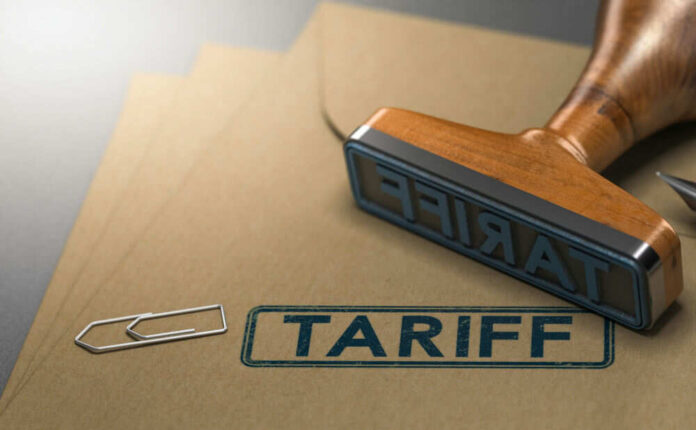
Since January 20, President Donald Trump’s administration has collected over $200 billion in tariffs, according to the Customs and Border Protection agency.
These tariffs, established through more than 40 executive orders, mark a significant shift in U.S. trade policy. The tariffs target imports from many countries, aiming to bolster domestic industries and retaliate against nations failing to curb illegal drug trafficking into the United States.
New Trump tariffs collection hits $200 billion, Customs says https://t.co/upJg9vY8l2
— CNBC (@CNBC) December 15, 2025
Legal Challenges and Constitutional Concerns
The legality of these tariffs is under scrutiny as the Supreme Court considers whether the President had the authority to impose them without congressional approval.
The U.S. Court of Appeals for the Federal Circuit previously ruled that imposing such tariffs falls under congressional power, not the executive branch. If the Supreme Court upholds this decision, companies may be entitled to refunds for the duties already paid.
Amid these legal challenges, companies like Costco have joined lawsuits against the Trump administration. They seek to block further tariff collections and recover funds already paid.
This legal battle underscores a broader debate about executive power and its limits within the constitutional framework.
Economic and Trade Implications
While the tariffs have significantly increased revenue, they have also impacted trade dynamics. In November 2025, collections slightly decreased as freight shipments slowed, partly due to reduced duties.
CBP Commissioner Rodney Scott highlighted the tariffs’ role in safeguarding U.S. economic interests, emphasizing the agency’s commitment to fair trade practices.
The situation continues to evolve as businesses and policymakers navigate the complexities of international trade and domestic economic policy. The Supreme Court’s decision could have far-reaching implications for the balance of power between the executive and legislative branches regarding trade policy.